




What is a protein diet, and how do you start it in week one?
A protein diet raises your daily protein intake to somewhere between 1.2 and 1.6 grams per kilogram of body weight, while your total calorie intake goes down. This curbs hunger, preserves muscle mass and speeds up fat loss. For someone weighing 80 kg, that works out at 96 to 128 grams of protein a day, spread across three or four meals.
That sounds straightforward enough. Yet week one is where most people come unstuck, simply because nobody explains the practical side of it. What should you actually eat? How much is enough? And when do you move on to the next step? This article gives you a concrete framework for your first seven days.
Why protein makes all the difference when losing weight
Protein is the only macronutrient your body cannot efficiently store as fat. Its thermic effect sits at 20 to 30 percent, meaning that out of every 100 kilocalories of protein, 20 to 30 are burned off simply by digesting it. Carbohydrates come in at 5 to 10 percent, fats at just 0 to 3 percent.
Muscle mass matters too, and it's not a minor detail. With conventional calorie-restricted diets that skimp on protein, you typically lose 25 to 30 percent of your total weight loss from muscle tissue. At a protein intake of 1.4 grams per kg per day, that figure drops to under 10 percent, according to research published in the American Journal of Clinical Nutrition.
Hunger also drops measurably. Protein boosts the release of GLP-1 and PYY, two satiety hormones, while suppressing ghrelin, the hunger hormone. That's not just a feeling, it's physiology. For more background on how a protein diet works, take a look at the Bioteïne high-protein diet guide.
Step 1: work out your personal protein target
Before you change a single meal, you need one number: your daily protein target. Use this as your starting point:
| Body weight | Minimum (1.2 g/kg) | Optimal (1.5 g/kg) | Active (1.8 g/kg) |
|---|---|---|---|
| 60 kg | 72 g | 90 g | 108 g |
| 70 kg | 84 g | 105 g | 126 g |
| 80 kg | 96 g | 120 g | 144 g |
| 90 kg | 108 g | 135 g | 162 g |
| 100 kg | 120 g | 150 g | 180 g |
If you're over 60, aim for the upper end of the range. Muscle protein synthesis declines with age, so you need more protein to achieve the same result. The Dutch Nutrition Centre (Voedingscentrum) confirms a higher recommendation of 1.2 grams per kg per day for over-65s, even without any dietary goal in mind.
Not sure which level suits you? The Bioteïne phase test gives you a personal starting recommendation in two minutes.
Step 2: map out your current intake (days 1 and 2)
Most people don't underestimate their protein intake, they overestimate it. Two slices of bread with cheese give you 14 grams of protein, not 30. A pot of yoghurt counts for 6 grams, unless it's Greek yoghurt (10 grams per 100 ml).
Use days 1 and 2 to track exactly what you're eating now, without making any changes yet. Jot it down in a notes app or use a free tracker. You're looking for three things:
- How many grams of protein are you currently eating per day?
- Which meals are low in protein (under 15 grams per sitting)?
- Where are most of your calories coming from without any nutritional value?
The gap between your current intake and your target is your job for the rest of week one. If you're currently eating 60 grams a day and your goal is 120 grams, you need to build in an extra 60 grams of protein, spread across three or four meals.
Step 3: build your eating structure (days 3 to 5)
A protein diet doesn't run on guesswork, it runs on structure. Split your daily protein target across three main meals and one snack. Each meal should contain at least 25 grams of protein, the threshold for effective muscle protein synthesis, as outlined by the British Dietetic Association.
A working daily schedule for 120 grams of protein
| Meal | Example | Protein | kcal (approx.) |
|---|---|---|---|
| Breakfast (7am) | Protein shake + 2 eggs | 35 g | 380 kcal |
| Lunch (12.30pm) | Chicken 150 g + salad + cottage cheese | 40 g | 420 kcal |
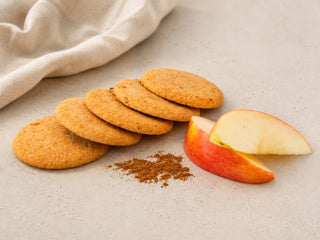
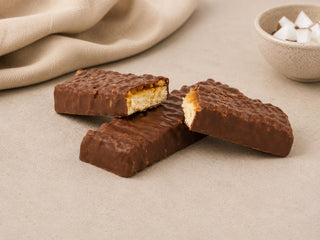
| Snack (3.30pm) | Protein bar or protein biscuit | 20 g | 200 kcal |
| Dinner (6.30pm) | Salmon 180 g + vegetables + rice | 38 g | 520 kcal |
| Total | 133 g | 1520 kcal |
This schedule adds up to 1520 kilocalories a day, which gives most women a deficit of 300 to 500 kilocalories. For men, that deficit will be slightly smaller. Adjust the portions to suit your own calorie needs, not how you happen to feel that day.
Why breakfast matters so much
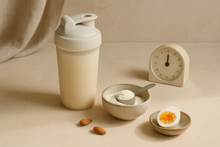
A low-protein breakfast, think two slices of toast and a coffee, only gets you 8 to 12 grams of protein. That's nowhere near enough to keep hunger at bay until lunch. The result: by half past ten you're craving something, ideally something sugary. You break that pattern by pushing your breakfast to at least 25 grams of protein. Two eggs plus 150 grams of Greek yoghurt plus half a scoop of protein powder gets you there without any real effort.
Which protein sources actually work in practice
Not every protein source is practical on an ordinary weekday. Cooking a steak takes time. So does boiling quinoa. Below is an overview of sources that are quick, affordable and high in protein:
Animal sources (high biological availability)
- Chicken breast: 31 g protein per 100 g, 165 kcal
- Low-fat cottage cheese: 11 g per 100 g, 63 kcal
- Greek yoghurt (10% fat): 9 g per 100 g, 120 kcal
- Egg: 6 g each, 70 kcal
- Salmon: 25 g per 100 g, 208 kcal
- Mature cheese (20+): 25 g per 100 g, 185 kcal
Plant-based sources (need combining)
- Edamame: 11 g per 100 g, 120 kcal
- Lentils: 9 g per 100 g (cooked), 116 kcal
- Firm tofu: 8 g per 100 g, 76 kcal
- Peas: 5 g per 100 g, 80 kcal
Plant-based sources are perfectly fine, but they have an incomplete amino acid profile on their own. Pair rice with lentils, or use a vegan pea or rice protein shake to cover all the essential amino acids.
Practical options for busy days
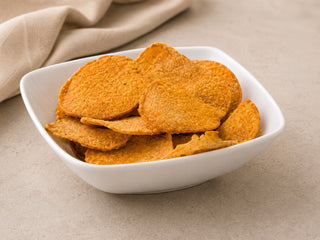
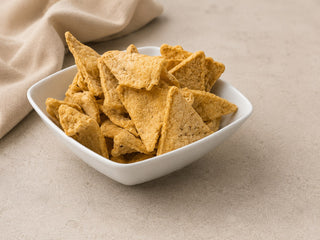
Some days you simply won't have time to cook, and that's normal. For those moments, protein-enriched products aren't a luxury, they're a tool. A 200 ml protein shake gives you an average of 25 to 30 grams of protein and is ready in under a minute. A protein bar fits in any bag and delivers 20 grams of protein with no need for refrigeration. Have a look at the Bioteïne starter pack if you want a complete range to get through week one.
Common mistakes in week one
Week one is easy to derail if you don't recognise these patterns.
Eating too little overall
Some people slash their calorie intake far too aggressively in the first week, dropping below 1200 kilocalories a day. The result is fatigue, poor concentration and, after day four, a hunger crash that wipes out every gain you've made. A deficit of 300 to 500 kilocalories a day is the most that works long-term. More is not better.
Cramming all your protein into one big meal
Many people eat their biggest meal, with the most protein, in the evening. But 60 grams of protein in one sitting isn't proportionally more effective than 30 grams. Your body can only put 25 to 40 grams per meal to optimal use for muscle protein synthesis. The rest is either used as fuel or excreted. Spreading it out beats stockpiling it.
Forgetting that drinks count too
Full-fat milk provides 3.4 g of protein per 100 ml. A 250 ml glass gives you nearly 9 grams, and that counts. The same goes for protein drinks and yoghurt-style drinks. Some people find it easier to hit their target by drinking part of their protein rather than eating it, especially in the morning.
Underestimating salt and fluid needs
With a higher protein intake, your body processes more nitrogen, which increases your fluid needs. Drink at least 2 litres of water a day. At an intake of 150 grams of protein a day, 2.5 litres is more realistic. Headaches in the first week are usually down to dehydration, not a problem with the diet itself.
Days 6 and 7: review and fine-tune
By the end of week one, you'll have enough data to judge what's working and what isn't. Ask yourself four questions:
- Did I hit my protein target every day? If not, at which meal did I fall short?
- Did I feel satisfied after every meal, or was I constantly craving something extra?
- How was my energy level after day 3, when the body starts to adapt?
- Am I weighing 0.5 to 1.5 kg less than at the start? (Partly water in the first week, partly fat.)
Adjust based on your answers. Felt tired and hungry? Increase your calorie intake by 100 to 200 kilocalories a day, ideally from protein or complex carbohydrates. Didn't reach your protein target? Add an extra snack or boost the protein density of your breakfast.
For a structured way forward after week one, the Bioteïne 4-phase system serves as your roadmap, taking you step by step from an initial adjustment to a fully optimised eating pattern.
What you actually need for week one
An overview of what to have sorted before you begin:
| What | Why | Alternative |
|---|---|---|
| Kitchen scales | Guessing portion sizes doesn't work | Measuring spoons and cups |
| Protein shakes | 25-30 g of protein in seconds on busy days | Cottage cheese + milk + protein powder |
| Protein bars or biscuits | A snack without missing out on something sweet | Hard-boiled eggs on the go |
| Basics in the house | Chicken breast, eggs, cottage cheese, Greek yoghurt | Tinned tuna, frozen edamame |
| Tracker or notes app | Making what you eat visible | Pen and paper work just as well |
| Bathroom scales | Tracking progress | Weigh yourself every morning, note the average |
You don't need everything to be perfect. But without kitchen scales and a few quick protein options in the house, you'll slide back into old habits in week one. That's not a lack of motivation, that's an environment problem.
The Bioteïne starter pack is put together for exactly this situation: a full week's worth of shakes, bars and snacks with known protein values, so you don't have to do the maths from scratch every day.
Frequently asked questions
How much protein do I need per day to lose weight?
The best-supported guideline for weight loss while preserving muscle mass is 1.2 to 1.6 grams of protein per kilogram of body weight per day. For someone weighing 75 kg, that's 90 to 120 grams a day, spread across three or four meals of at least 25 grams each.
Can I eat too much protein?
In healthy adults with no kidney issues, an intake of up to 2.5 grams per kilogram per day has been documented as safe. Protein beyond your needs is converted into glucose or used as fuel. It adds to your calorie intake, but doesn't cause direct organ damage in people with normally functioning kidneys.
What do I eat when I don't have time to cook?
Tinned tuna, Greek yoghurt, hard-boiled eggs or a protein shake are all ready in under three minutes. A protein bar fits in any bag. No time to cook is no excuse if you've got a few quick options stocked at home in advance.
How quickly will I see results after week one?
In week one, you'll typically lose 0.5 to 2 kg. Some of that is water, since protein reduces glycogen stores, and glycogen holds onto a lot of water. Genuine fat loss becomes visible after two to three weeks. Weigh yourself daily and take the seven-day average for a reliable picture.
Can I eat carbohydrates on a protein diet?
Yes. A protein diet is not automatically a low-carb diet. Complex carbohydrates such as rice, oats and pulses support your energy levels and help you hit your protein target at mealtimes. Avoid refined carbohydrates and sugar, not carbohydrates as a whole.
Is a protein diet suitable if I exercise?
Active people need more protein, not less. With strength training three or more times a week, 1.6 to 2.0 grams per kilogram per day is recommended. Aim to eat 25 to 35 grams of protein within 30 to 60 minutes of training to maximise recovery and muscle protein synthesis.
Do I need supplements on a protein diet?
Supplements aren't essential. They're a tool for moments when whole food sources aren't practical. Protein shakes, bars and protein-enriched meals top up your daily target on busy days. Build your diet around whole foods and use supplements to supplement it, not as the foundation.
What's the difference between a protein diet and a crash diet?
A crash diet slashes calories drastically, often below 800 kilocalories a day, without any regard for macronutrients. This leads to muscle loss and the yo-yo effect. A protein diet preserves muscle mass by maintaining sufficient protein alongside a moderate calorie deficit of 300 to 500 kilocalories a day.