









Protein and digestion: the short answer
Adding too much protein to your diet too quickly, or choosing the wrong sources, can leave you feeling bloated, gassy or with stomach pain. Your digestive system needs time to adapt. Building up gradually, drinking enough water and keeping an eye on fibre resolves this in most cases within 1 to 2 weeks.
How protein affects your digestion
Protein digests more slowly than carbohydrates. In the stomach it's broken down by the enzyme pepsin, after which it's split further into amino acids in the small intestine. That process takes energy and time. If you suddenly increase your protein intake, say from 60 grams to 150 grams a day, your digestive system faces more than it can handle at that moment.
The result: undigested protein reaches the large intestine. There, bacteria ferment this material, which causes gas and bloating. This is known as protein fermentation and is well documented in gut health research. It isn't dangerous, but it is uncomfortable.
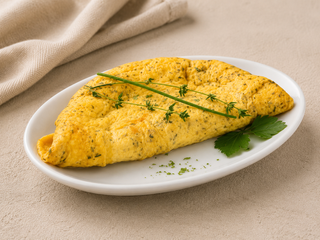
The source of the protein matters too. Plant-based sources such as legumes contain fibre and certain carbohydrates (FODMAPs) that intensify fermentation. Animal sources like eggs and fish are generally easier to digest, but even there, too much in one go is still too much.
For a complete overview of protein-rich foods and the right approach, see the Bioteïne high-protein diet guide.
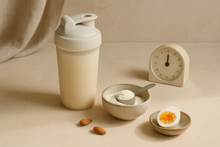
Why some protein shakes cause bloating
Not every shake is the same. Most complaints linked to shakes can be traced back to three specific ingredients.
Lactose
Standard whey concentrate contains 4 to 8 grams of lactose per serving. Roughly 65 percent of the world's population produces less lactase, the enzyme that breaks down lactose, after childhood. That figure is lower in Northern Europe, but still relevant. Lactose that passes through the small intestine undigested draws fluid into the large intestine, causing gas, cramping and loose stools. Whey isolate contains less than 1 gram of lactose per serving and poses no problem for most people.
Sweeteners
Sugar alcohols such as sorbitol, maltitol and xylitol are poorly absorbed by the body. They arrive largely intact in the large intestine, where they're fermented. For most people, symptoms tend to appear once intake reaches around 10 to 20 grams a day. Some shakes contain 5 to 8 grams of sugar alcohols per serving, so two shakes a day can quickly push you over that threshold.
Rapid absorption on an empty stomach
Drinking a shake on an empty stomach leads to a rapid influx of amino acids into the digestive tract. This disrupts the normal rhythm of gastric emptying, which can cause nausea or cramping in sensitive people. Take your shake alongside a meal, or pair it with a small amount of solid food.
Easy versus hard to digest protein sources
Not every protein source is equally kind to your gut. The table below gives an overview based on digestibility, fibre content and fermentation potential.
| Protein source | Protein per 100g | Digestibility | Risk of discomfort | Reason |
|---|---|---|---|---|
| Chicken breast (cooked) | 31g | High | Low | Low fat, no fibre, no lactose |
| Eggs | 13g | High | Low | Fully digestible, high PDCAAS score |
| Fish (salmon, cod) | 20-25g | High | Low | Easily digestible tissue, no fermentable carbohydrates |
| Whey isolate | 90g (powder) | High | Low to moderate | Virtually lactose-free, quickly absorbed |
| Cottage cheese (low-fat) | 11g | Moderate | Moderate | Contains lactose, problematic if intolerant |
| Legumes (lentils) | 9g (cooked) | Low to moderate | High | FODMAPs, high fibre content, fermentation in the large intestine |
| Soy protein isolate | 88g (powder) | Moderate | Moderate | Oligosaccharides can cause gas in sensitive individuals |
| Red meat (>20% fat) | 25-28g | Low | Moderate to high | High fat content slows gastric emptying |
The Voedingscentrum recommends varying your protein sources for a complete amino acid profile. Variety is good, but introduce new sources gradually if you're prone to digestive discomfort.
The role of fibre and water
Digesting protein requires more water than digesting carbohydrates. The kidneys need water to excrete nitrogen waste products (urea), a direct by-product of protein metabolism. At an intake of 150 grams of protein a day, you need roughly 500 millilitres of extra water compared with a standard diet.
Drinking too little makes stools harder, slows transit time, and gives bacteria in the large intestine more time to ferment undigested protein. That worsens bloating.
Fibre acts as a counterbalance. It speeds up gut transit and reduces the fermentation time of protein in the large intestine. Aim for at least 25 grams of fibre a day. In practical terms: 200 grams of vegetables with your main meal, a piece of fruit as a snack, and wholegrain products where possible. Don't increase fibre and protein at the same time. Change one thing at a time, otherwise you won't know what caused the discomfort.
Building up gradually: a practical schedule
Most complaints don't stem from protein itself, but from the speed of change. Your digestive enzymes and gut bacteria do adapt, but that takes time.
A workable schedule for someone moving from 60 grams to 120 grams of protein a day:
- Weeks 1 and 2: increase to 80 grams a day. Spread this across 3 meals. Drink 2.5 litres of water a day.
- Weeks 3 and 4: increase to 100 grams. Add an extra protein moment (a shake or a portion of cottage cheese, for example).
- Weeks 5 and 6: increase to 120 grams. Assess any symptoms. If discomfort persists, stay on this phase for an extra 2 weeks.
Spread your protein intake across the day. 40 grams of protein in one meal is the upper limit the body can effectively use for muscle protein synthesis, according to research published in the Journal of the International Society of Sports Nutrition. Anything more digests more slowly and places extra strain on the digestive tract.
Want to know which phase you're currently in? Take the Bioteïne phase test for personalised advice, or explore the full 4-phase system for a step-by-step approach.
When discomfort is a sign to see your GP
Temporary adjustment to higher protein intake is normal. Symptoms that fade within 1 to 2 weeks are almost always down to adaptation. But some symptoms point to something else.
See your GP if:
- Symptoms persist for longer than 3 weeks, even after reducing your protein intake
- You notice blood in your stools
- You lose more than 5 percent of your body weight unintentionally within 4 weeks
- You experience pain in the lower right abdomen or persistent cramping
- You already have a diagnosis such as irritable bowel syndrome (IBS), Crohn's disease or ulcerative colitis
For IBS, a specific approach applies. A low-FODMAP diet significantly reduces fermentation-related symptoms. This is separate from protein intake, but combining high protein with high-FODMAP sources (legumes, soya) can make symptoms considerably worse. The British Dietetic Association has a detailed guideline on IBS and diet.
Bioteïne options that are easier to digest
If shakes are giving you digestive trouble, start by checking the ingredients list. Does the shake contain whey concentrate, sugar alcohols or inulin (a fermentable fibre)? If so, the likelihood of symptoms is higher.
The Bioteïne shake range is formulated without unnecessary additions: low in lactose, free from high concentrations of sugar alcohols, and with a clear ingredients list. That makes it easier to work out what your body tolerates well.
Alongside shakes, Bioteïne offers alternatives for those who prefer solid food. The protein bars and protein-rich meals give you more control over the pace of digestion. Solid food digests more slowly than a shake, which causes fewer issues for some people.
Want a complete starting point without having to work out which products go together? The Bioteïne starter pack is put together based on the 4-phase system and contains products that combine to give a balanced daily structure.
Still experiencing discomfort with a specific product? Temporarily halve the portion. Two small servings of 15 grams of protein put less strain on digestion than one 30-gram serving on an empty stomach. Build up slowly.
Frequently asked questions
Can protein shakes make me feel bloated?
Yes. The most common causes are lactose in whey concentrate, sugar alcohols used as sweeteners, or drinking a shake on an empty stomach. Choose whey isolate, check the ingredients list for sorbitol or maltitol, and take your shake alongside a small meal.
How much protein can my gut handle at once?
Research suggests that 40 grams per meal is the upper limit for effective use by the body. Anything more digests more slowly and places extra strain on the large intestine through fermentation. Spread your daily protein target across at least 3 to 4 meals for the best results.
Why do legumes make me gassy but chicken doesn't?
Legumes contain FODMAPs alongside protein: fermentable carbohydrates that gut bacteria use as fuel. This process produces gas. Chicken contains no fermentable carbohydrates and therefore causes barely any fermentation in the large intestine.
How much extra water should I drink if I eat more protein?
Aim for roughly 500 millilitres extra a day at a protein intake of 130 to 150 grams. The kidneys use water to excrete urea, the nitrogen waste product of protein metabolism. Insufficient water slows gut transit and worsens symptoms.
How long does it take for my digestion to adjust to more protein?
With gradual increases (10 to 20 grams extra every 1 to 2 weeks), most people are symptom-free within 2 to 4 weeks. Your digestive enzymes and gut microbiome adapt over time. Increase too quickly and adaptation takes longer, with more severe symptoms.
Is stomach pain from protein shakes dangerous?
In the vast majority of cases, no. It's usually temporary fermentation-related discomfort or lactose intolerance. Persistent pain lasting longer than 3 weeks, blood in your stools or unexplained weight loss are reasons to consult your GP, as these are likely to have another cause.
Should I choose plant-based or animal protein for my gut?
Animal protein is generally easier to digest because it contains no FODMAPs or fermentable fibres. Plant protein is more valuable for the gut microbiome in the long run, but requires a slower build-up. Combine both sources and introduce each new one gradually.
Are protein bars easier to digest than shakes?
That depends on the composition. Solid food digests more slowly, which causes fewer issues for some people. However, many bars contain sugar alcohols or inulin as fibre. Always read the ingredients list. The Bioteïne bars are formulated with a clear ingredients profile for better tolerance.