

Intermittent fasting and protein: what you need to know
Intermittent fasting shrinks your eating window, but it doesn't change your protein requirement one bit. Your body needs 1.6 to 2.2 grams of protein per kilogram of body weight daily to preserve muscle mass during a calorie deficit. That means getting all your protein in within 8 hours instead of 16. That takes planning.
How intermittent fasting works
Intermittent fasting alternates fasting and eating on a fixed schedule. The best-known protocol is 16/8: 16 hours fasting, 8 hours eating. Other variants include 5:2 (five normal days, two days on 500 to 600 kcal) and OMAD (one meal a day, 23 hours fasting). For most people trying to lose weight without losing muscle, 16/8 is the most workable option.
During fasting, your insulin levels drop. Your body gradually shifts towards burning fat. This process is called lipolysis, and it kicks in for most people after 12 to 14 hours of fasting, once glucose from previously eaten carbohydrates has largely been used up. This is exactly why periodic fasting has become so popular for weight management.
But there's a downside. When insulin is low and protein intake is insufficient, the body also starts breaking down muscle tissue for fuel. This process is called gluconeogenesis: amino acids from muscle protein are converted into glucose. That's precisely what you want to avoid.
Popular IF protocols at a glance
| Protocol | Fasting period | Eating window | Suited to |
|---|---|---|---|
| 16/8 | 16 hours | 8 hours | Beginners, daily use |
| 18/6 | 18 hours | 6 hours | Advanced, more fat burning |
| 5:2 | 2 days at 500-600 kcal | 5 normal days | Those who don't want to fast daily |
| OMAD | 23 hours | 1 hour | Experienced fasters, not for beginners |
The Dutch Nutrition Centre (Voedingscentrum) recommends 0.83 grams of protein per kilogram per day for adults as a baseline. That figure is based on maintaining body composition under normal calorie intake. In a calorie deficit, as with intermittent fasting, the recommended amounts for preserving muscle are considerably higher.
Why protein is crucial during fasting
Muscle loss is the biggest risk with intermittent fasting. It isn't fat but muscle tissue that disappears first when you restrict calories too aggressively without enough protein. Muscle is metabolically active tissue. Less muscle mass means a lower resting metabolism, which makes losing weight harder over time.
Research published in Obesity Reviews (Helms et al., 2014) shows that protein intake of 2.3 to 3.1 grams per kilogram of lean mass significantly limits muscle loss during a calorie deficit. These are high figures, but they're relevant for anyone serious about improving their body composition.
Protein has a second function that's especially valuable during fasting: satiety. Protein activates satiety hormones such as GLP-1 and PYY more strongly than carbohydrates or fats do. In practical terms: a meal with 40 grams of protein keeps you fuller for longer than a meal with 40 grams of carbohydrates, even at equal calories. Within an 8-hour eating window, that difference is noticeable. Without enough protein, overeating during the window becomes a genuine risk.
Have a look at our high-protein diet guide for a detailed breakdown of protein needs in different situations.
Protein needs on 16/8: a worked example
Say you weigh 75 kg and your goal is weight loss while preserving muscle. Your daily protein target sits at 2.0 grams per kilogram, which is 150 grams of protein a day. On a 16/8 schedule, you'll eat that within 8 hours. That's three meals averaging 50 grams of protein each. Achievable, but it requires deliberate choices at every meal.
Structuring your eating window with protein: a practical day
Below is a sample eating schedule for 16/8 with a window from 12:00 to 20:00. The protein distribution is based on a target of 150 grams of protein per day for someone weighing 75 kg.
| Time | Meal | Protein content | Calories (approximate) |
|---|---|---|---|
| 12:00 | Protein shake + 2 boiled eggs | 45-50 g | 350-400 kcal |
| 15:30 | Quark with nuts + protein bar | 35-40 g | 300-350 kcal |
| 19:00 | Chicken or fish with vegetables and pulses | 50-55 g | 450-550 kcal |
| Total | 130-145 g | 1100-1300 kcal |
This schedule doesn't always reach the full 150 grams. A protein shake as a top-up around 19:30, or a 20-gram protein snack, closes the gap. The Bioteïne protein shakes deliver 25 grams of protein per serving at around 140 kcal. That makes topping up possible without piling on unnecessary calories.
Want to know which eating schedule suits your situation? Take the phase test to establish your starting point.
Pitfalls with intermittent fasting and protein
The two most common mistakes pull in opposite directions, but both do damage.
Eating too little protein
Many people who start 16/8 focus purely on shrinking their eating window. They simply eat less, not differently. The result: 60 to 80 grams of protein daily instead of the required 130 to 150 grams. After three to four weeks, muscle mass drops noticeably. The scale shows nice results, but the fat-to-muscle ratio deteriorates. That's precisely the wrong outcome.
Overeating within the window
The flip side: the eating window starts to feel like a compensation period. After 16 hours of fasting, restraint slips and large quantities of carb-heavy, fat-heavy meals get consumed. The calorie deficit created by fasting is wiped out in the process. Intermittent fasting isn't a licence to overeat. It's a method for restricting calories through time-restriction, not through unlimited eating within 8 hours.
Poor protein distribution
Research by Moore et al. (2009, American Journal of Clinical Nutrition) shows that muscle protein synthesis is optimal with 25 to 40 grams of protein spread per meal. Cramming it all into one large 120-gram meal works less efficiently. Spreading protein across three occasions within the eating window gives better results for muscle preservation.
See the 4-phase system for a structured approach to protein intake and meal planning.
Who should be cautious with intermittent fasting
Intermittent fasting isn't the right method for everyone. Take care, or consult a doctor, if you:
- Have type 1 or type 2 diabetes and take medication that regulates blood sugar
- Have a history of eating disorders (restrictive eating or binge eating)
- Are pregnant or breastfeeding
- Are under 18
- Are an active elite athlete training twice or more per day
- Have a BMI below 18.5
The British Dietetic Association notes that IF is safe for most healthy adults, but advises seeking guidance where medical conditions or uncertainty about suitability exist.
For people carrying excess weight who don't fall into the risk groups above, 16/8 is a well-studied approach. It reduces calorie intake spontaneously for many people without the need for active calorie counting.
How Bioteïne fits an intermittent fasting schedule
The practical problem with IF isn't motivation, it's logistics. Getting 130 to 150 grams of protein in within 8 hours takes preparation. Cooking full meals takes time. Quark and eggs are perfectly fine, but preparing them three times a day isn't always realistic.
The Bioteïne shakes are built for exactly this situation. One serving delivers 25 grams of protein at 140 kcal. Ready in two minutes. Suitable as your first meal at 12:00, as a snack at 15:30, or as a top-up after your evening meal. They fit within the eating window without blowing your calorie budget.
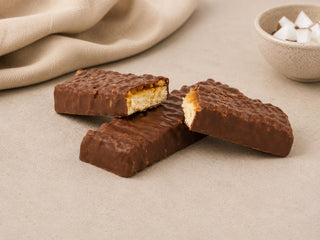
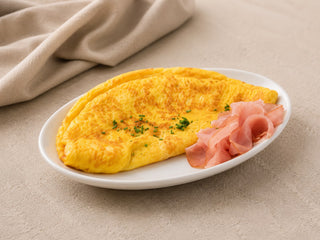
The protein bars (averaging 20 grams of protein per bar) are handy for the second meal in the window when you're short on time. The complete meals in the range work well as a main meal around 19:00, offering 30 to 40 grams of protein per portion.
Want to start with a complete schedule? The starter pack includes a selection of products geared to the first few weeks. The phase test helps you work out which approach fits your current situation.
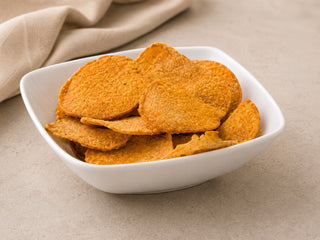
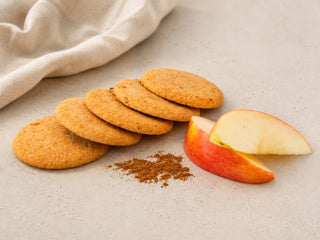
Looking for snacks that fit within the eating window without undermining your protein target? The protein biscuits and snacks deliver 10 to 15 grams of protein per portion at a modest calorie cost.
Frequently asked questions
How much protein do I need with intermittent fasting?
With a calorie deficit and muscle preservation as the goal, the recommendation is 1.6 to 2.2 grams of protein per kilogram of body weight per day. For someone weighing 75 kg, that's 120 to 165 grams of protein. This needs spreading across the meals in your eating window, ideally in portions of 25 to 40 grams per meal.
Can I drink a protein shake while fasting?
No. A protein shake contains calories and amino acids that trigger insulin production and technically break the fast. Drink shakes only within your eating window. Black coffee, tea without milk and water are the only drinks that don't interrupt a fast.
Is 16/8 better than 5:2 for weight loss?
Both methods lead to a comparable calorie deficit when followed consistently. Most people find 16/8 easier to sustain day to day. 5:2 carries a slightly higher risk of muscle loss due to lower protein intake on fasting days. Choose based on lifestyle, not expected results.
Will I lose muscle mass with intermittent fasting?
Muscle loss happens when you eat too little protein or drop too far below your calorie needs. With sufficient protein intake (1.6 to 2.2 g/kg) and strength training, you'll preserve muscle mass while doing intermittent fasting. The schedule itself doesn't cause muscle loss, but poor eating within that schedule does.
When will I start seeing results with 16/8?
The first two weeks are mostly adjustment. A weight change of 0.5 to 1.0 kg per week is realistic with a calorie deficit of 500 kcal per day. After three to four weeks, changes in body composition become measurable. Use a tape measure alongside the scale for a clearer picture.
What should I eat as my first meal after fasting?
Choose a meal with at least 30 to 40 grams of protein to kickstart muscle synthesis and take the edge off hunger straight away. A protein shake combined with eggs, quark with nuts, or a complete protein meal all work well. Avoid a first meal that's purely carbohydrates.
Is intermittent fasting suitable for people with diabetes?
For type 2 diabetes without insulin or blood-sugar-lowering medication, IF can be safe under supervision. If you're on medication, the schedule needs adjusting to avoid hypos. Always consult a doctor or dietitian before starting. Starting IF independently with diabetes isn't a sensible choice.
How do I combine intermittent fasting with exercise?
Schedule strength training just before or early in your eating window, ideally, so you can consume protein straight after for muscle recovery. Training whilst fasted is possible, but it raises the risk of muscle loss if protein intake is insufficient. Cardio while fasted is fine for most people.