





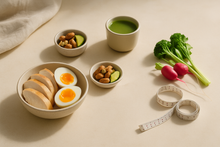

A protein diet scores highest on satiety and muscle preservation
A protein diet provides an average of 1.2 to 1.6 grams of protein per kilogram of body weight per day, enough to preserve muscle mass during a calorie deficit. Research shows that a higher protein intake increases satiety by influencing the hunger hormones ghrelin and GLP-1, which leads to a spontaneous calorie intake that's 10 to 15 per cent lower than with a standard Western diet.
That sounds straightforward enough. Yet many people still opt for keto, Weight Watchers or a juice cleanse, simply because these methods are more familiar or promise faster results. Others swap one approach for another the moment their weight plateaus after a fortnight. That yo-yo effect is exactly the problem you want to avoid.
So which diet actually works best for losing weight? It comes down to three factors: how much muscle mass you retain, how long you can stick with the approach, and whether it's easy to bounce back after a slip-up. A protein diet outperforms most alternatives on all three counts. Below, we explain why, with concrete figures.
Comparison table: protein diet vs keto, Weight Watchers and juice cleanse
The table below compares four popular methods against the four criteria that genuinely matter for sustainable weight loss. The ratings are based on published research and the guidelines of the Voedingscentrum, the Dutch national nutrition body.
| Criterion | Protein diet | Keto | Weight Watchers (points) | Juice cleanse (3 to 7 days) |
|---|---|---|---|---|
| Satiety | High. Protein effectively suppresses ghrelin and raises peptide YY. | Reasonable. Fat is satiating, but portion control is still needed. | Moderate. Points focus on volume, not macronutrient balance. | Low. Liquids give a brief full feeling before hunger quickly returns. |
| Muscle preservation | Good. At 1.2 to 1.6 g/kg/day, muscle mass largely stays intact. | Moderate. Ketosis offers some protection, but protein intake is often too low. | Variable. Depends heavily on which products the user chooses. | Poor. After 48 hours, the body starts using muscle tissue as fuel. |
| Sustainability (12 weeks) | High. Enough variety, with no entire food groups off-limits. | Low to moderate. Keto flu, social restrictions and micronutrient shortfalls. | High. A flexible system, but demands constant tracking. | Not applicable. Maximum of 7 days, followed by a need for reintroduction. |
| Yo-yo risk | Low. Muscle preservation keeps basal metabolism stable. | High. Reintroducing carbohydrates triggers immediate glycogen-related weight regain. | Moderate. The system works for as long as you keep tracking points. | Very high. Weight lost is largely water and glycogen. |
A brief caveat on keto: the method works brilliantly for some people, particularly where insulin resistance or type 2 diabetes are involved. That's a specific context, though. As a general weight-loss strategy for healthy adults, the entry barrier is high, and dropping off after six to eight weeks is the rule rather than the exception.
Why juice cleanses backfire
Three days of green juices. The scale drops by 2 to 3 kilograms. It feels like proof that it works. Yet this weight loss is almost entirely down to two things: fluid loss and glycogen depletion in the liver and muscles.
Glycogen is stored with 3 grams of water per gram. Lose 400 grams of glycogen, which is realistic during a juice cleanse, and you also lose 1,200 grams of water. That's 1.6 kilograms on the scale without a single gram of fat being burned.
Worse still, protein intake during a juice cleanse is minimal. A typical cleanse provides just 15 to 25 grams of protein a day. The recommended minimum threshold for muscle preservation sits at 0.8 grams per kilogram of body weight, and that's already on the low side. For someone weighing 75 kilograms, that's 60 grams a day, meaning a juice cleanse leaves you 35 to 45 grams short. That shortfall comes straight out of your muscles.
Less muscle mass means a lower basal metabolic rate. Losing 1 kilogram of muscle mass reduces daily energy expenditure by roughly 50 kcal. That sounds trivial, but over a year it adds up to more than 18,000 kcal, the equivalent of 2.5 kilograms of body fat your body no longer burns automatically.
Skip juice cleanses as a weight management strategy. They're not dangerous for a healthy person over three days, but they deliver no lasting result and put unnecessary strain on your metabolism.
What works for whom: an honest overview
There's no single best diet for everyone. There are, however, patterns that predict which approach suits which profile.
Protein diet: suitable for most adults
If your primary goal is weight loss while preserving muscle mass, a protein diet is the most evidence-backed choice. This is especially true if you're over 40, since from that age onwards you lose 3 to 5 per cent of muscle mass per decade (sarcopenia) unless you actively work to preserve it. A higher protein intake is the first line of defence here, even ahead of strength training.
Find out more in our comprehensive high-protein diet guide, which includes macro calculations by body weight and activity level.
Keto: specific indications
Keto has a solid scientific basis for treatment-resistant epilepsy, type 2 diabetes with insulin resistance, and certain metabolic conditions. If you simply want to lose weight and don't have any of these conditions, restricting carbohydrates to under 20 to 50 grams a day isn't necessary and isn't sustainable for most people.
Weight Watchers: for people who need structure
The points system is easy to understand and offers a community element that helps some people. The problem is that points don't measure protein quality. You could fill your entire daily budget with foods that offer little satiety and little muscle support. Use the system if you enjoy it, but make sure protein-rich foods form the core of what you eat.
Juice cleanse: at most a three-day reset
As a psychological reset after a holiday or festive period, a juice cleanse of up to three days is harmless. Just don't expect lasting weight loss, and make sure to restore your protein intake straight afterwards.
Long-term sustainability: the real winner
A meta-analysis of 48 randomised controlled trials (published in the British Journal of Nutrition) shows that the difference in weight loss between popular diet methods after 12 months is negligible. The diet you can actually stick to wins, every time.
That might sound obvious, but it has a practical consequence: your choice of diet shouldn't be based solely on which promises the most kilos in week one. The real question is which approach you can still follow on day 90, even when you're away for work, even on your birthday, even when you're tired and can't face cooking.
Three factors determine long-term sustainability.
1. Satiety per kcal
Protein has the highest satiety value per kilocalorie of any macronutrient. Research from the British Dietetic Association confirms that a protein intake of 25 to 30 per cent of daily energy lowers spontaneous calorie intake without any active portion control. In practice, that means less mental effort.
2. No food groups off-limits
Keto rules out grains, most fruits, pulses and much of dairy. That works for two to six weeks for people with strong self-discipline, after which it becomes a cognitive burden. A protein diet doesn't exclude any food groups. It simply shifts priorities, which is far less mentally taxing.
3. Ease of recovery after a slip-up
Keto takes two to four days to return to ketosis after a slip-up. A protein diet simply requires your next meal to be protein-rich again. That's the difference between a system that survives one exception and one that has to be restarted every time.
Curious how long your weight-loss phase should last, based on your current weight and goal? Use the personal phase test to find your starting point.
The Bioteïne 4-phase approach: structure without guesswork
Bioteïne works with a structured system of four phases, each with its own protein target, calorie range and product line-up. These phases aren't arbitrary. They follow the physiology of weight loss: an active reduction phase, a stabilisation phase, a transition phase back to normal eating, and a maintenance phase.
Phase 1 (days 1 to 14): active reduction
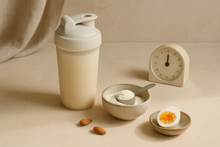
Calorie target: 800 to 1,000 kcal a day. Protein target: at least 80 grams a day. In this phase, protein shakes and meal replacements form the foundation. That's not because solid food doesn't work, but because portion control with solid food adds an extra cognitive load in the first fortnight that most people simply don't need. Check out the starter pack for a ready-made set-up for phase 1.
Phase 2 (days 15 to 42): controlled extension
Calorie target: 1,000 to 1,200 kcal a day. One proper meal a day makes a comeback. Protein intake stays high thanks to shakes, bars and protein-rich meals. The goal here is adjusting to a new eating pattern, not just losing weight.
Phase 3 (days 43 to 70): transition
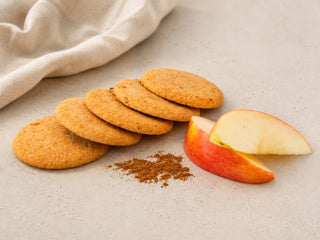
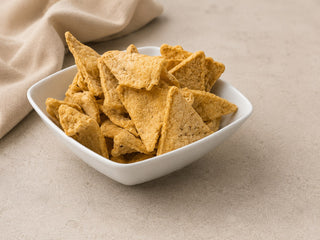
Two proper meals a day. Protein-rich snacks and biscuits replace empty-calorie snacking. Calorie target: 1,200 to 1,500 kcal. This phase is about testing which normal eating patterns suit your new weight.
Phase 4 (day 71 onwards): maintenance
Normal food forms the basis, topped up with protein products whenever intake would otherwise dip below target. Think of a shake on a hectic work day or a protein-rich snack instead of a biscuit with your coffee. The full system is explained on our 4-phase system page.
Not sure which phase to start in? The phase test gives you a concrete starting recommendation based on five questions.
Frequently asked questions
What's the difference between a protein diet and keto?
A protein diet raises protein intake to 1.2 to 1.6 grams per kilogram of body weight while still allowing carbohydrates. Keto restricts carbohydrates to under 20 to 50 grams a day to achieve ketosis. A protein diet is more flexible and easier for most healthy adults to sustain.
Is a protein diet better than Weight Watchers for weight loss?
Weight Watchers tracks points, not macronutrients. That can work, but it doesn't guarantee sufficient protein intake. A protein diet explicitly targets muscle preservation and satiety. If you're combining both, a protein focus is the strongest addition to a points system.
How many grams of protein a day do I need to lose weight?
For weight loss with muscle preservation, the recommended intake is 1.2 to 1.6 grams of protein per kilogram of body weight per day. For someone weighing 80 kilograms, that's 96 to 128 grams. Ideally, spread this across four to five meals, since the body can only use a maximum of 30 to 40 grams of protein per meal for muscle synthesis.
Does a juice cleanse actually work for weight loss?
The scale does move during a juice cleanse, but the loss is largely water and glycogen, not fat. Protein intake is too low to preserve muscle, which lowers basal metabolic rate over time. As a brief psychological reset, a three-day juice cleanse is harmless, but as a weight-loss strategy, it doesn't work.
What is the yo-yo effect and how do I avoid it?
The yo-yo effect occurs when weight loss comes at the expense of muscle mass. Less muscle lowers your basal metabolic rate, meaning your body stores fat more readily once you return to normal eating. You can avoid this by maintaining a protein intake of at least 1.2 grams per kilogram during a calorie deficit, including in the final stage of a diet.
How long does it take to see visible results with a protein diet?
With a 500 kcal daily deficit and a protein intake of at least 80 grams, you can expect to lose an average of 1 to 2 kilograms of body fat in the first fortnight. From week three to six, that pace settles to 0.5 to 1 kilogram a week, depending on activity level and starting point.
Can I combine a protein diet with exercise?
Yes, it's recommended. Strength training combined with a protein intake of 1.4 to 1.6 grams per kilogram not only protects muscle mass but can build it slightly, even in a calorie deficit. This raises your basal metabolic rate and speeds up weight loss over the medium term. Aim for at least two resistance sessions a week.
Which Bioteïne product is best to start with?
That depends on your starting point and phase. For most beginners, the starter pack is the most logical choice, as it includes phase 1 products in the right quantities. If you already have a solid protein base and want extra satiety, the protein shakes are a straightforward addition.