
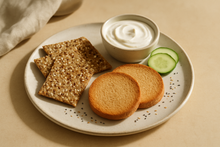
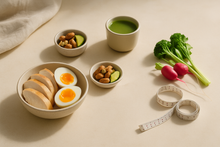
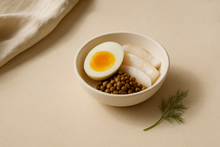

Protein diet phase 1: the short version
Phase 1 is the most restrictive phase of a protein diet. You eat plenty of protein (at least 80 grams a day), virtually no carbohydrates (under 50 grams), and as little saturated fat as possible. This prompts the body to switch quickly into fat-burning mode. Most people lose 2 to 4 kilograms in the first 7 to 14 days.
That sounds drastic, but there's a logic behind it. By cutting carbohydrates sharply, glycogen stores in the muscles and liver run low, which typically takes 24 to 48 hours. After that, the body turns to fatty acids as its main fuel source. Protein keeps your muscle mass intact throughout this process and suppresses hunger via hormones such as peptide YY and GLP-1.
You can read more about the science behind high-protein eating in the Bioteïne high-protein diet guide.
What's the goal of phase 1
Phase 1 has three concrete goals, each with a measurable outcome.
- Inducing ketosis, or a fat-burning state. Below 50 grams of carbohydrates a day, insulin levels drop sharply and the body produces ketone bodies from fatty acids. This is similar to the physiology behind ketogenic diets, though less extreme.
- Protecting muscle mass. An intake of 1.2 to 1.6 grams of protein per kilogram of bodyweight per day is enough to minimise muscle breakdown during a calorie deficit, as documented in research from the British Dietetic Association.
- Creating fast, visible results. The initial weight loss in phase 1 is largely water, bound to glycogen. 1 gram of glycogen binds 3 grams of water, so the scales move quickly. That helps keep motivation up in the early weeks.
Phase 1 isn't an end in itself. It's a starting point, a way of resetting the body so the rest of the diet works more efficiently.
What you can eat in phase 1 (and what to avoid)
Below is an overview. Use it as a shopping checklist. If you're unsure about a product, check the protein and carbohydrate content per 100 grams: protein up, carbs down.
| Category | Allowed in phase 1 | Not allowed in phase 1 |
|---|---|---|
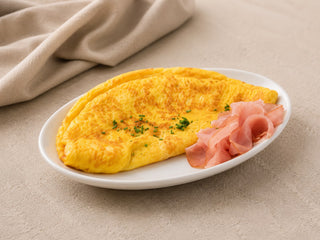
| Proteins | Chicken breast, turkey, white fish, cottage cheese, egg whites, low-fat quark | Fatty cold cuts, cheese with more than 20% fat, processed meats |
| Vegetables | Leafy greens, cucumber, courgette, peppers, broccoli, cauliflower | Carrots, beetroot, sweetcorn, peas, potato, sweet potato |
| Carbohydrates | Maximum 50 grams a day from vegetables and protein products | Bread, pasta, rice, grains, fruit (exception: a small amount of berries) |
| Drinks | Water, black coffee, unsweetened tea, sparkling water | Soft drinks, fruit juice, alcohol, milk, sweetened drinks |
| Snacks | Bioteïne protein bar, low-fat quark, hard-boiled egg | Nuts (too much fat for phase 1), crisps, biscuits, crackers |
| Protein products | Protein shakes, protein meals (< 10 g carbs per serving) | Sugary meal replacements, energy bars with glucose |
The Bioteïne starter packs are put together according to phase 1 criteria: high protein, low carb, low calorie density. Every product lists its macros per serving.
How long does phase 1 last
The standard duration is 2 to 4 weeks. No longer than 4 weeks without guidance from a dietitian, and that's not marketing advice, that's physiology.
After 4 weeks on a strict calorie deficit with few carbohydrates, the risk of muscle loss increases, even with adequate protein intake. Basal metabolism can dip slightly. The Dutch Nutrition Centre (Voedingscentrum) stresses that long-term macronutrient restriction requires medical monitoring.
A practical guideline:
- Weeks 1 to 2: stick to phase 1 strictly, expect 2 to 4 kg of weight loss
- Week 3: review your weight loss and energy levels
- Week 4: prepare the move to phase 2 if you're close to your goal, or extend phase 1 by a maximum of one further week
Want to know which phase you're in right now? The Bioteïne phase test helps you work that out based on your current weight, goal and eating pattern.
What to expect in the first few days
Honesty serves you better than false reassurance here.
Days 1 to 3: the transition period. The body switches over and glycogen stores empty out, a process that takes most people 24 to 48 hours. You may notice fatigue, mild headaches, or a hard-to-describe tired-but-restless feeling. This is known as the "keto flu" and usually lasts 24 to 72 hours. Not dangerous, but uncomfortable.
Days 3 to 7: stabilisation. Energy levels normalise. Hunger eases off, partly thanks to protein's satiating effect and the suppression of ghrelin, the hunger hormone. Most people report a noticeably steadier feeling of fullness from day 4 onwards compared with a typical Western diet.
Week 2: mental clarity. Some people notice sharper focus. This is linked to steadier blood sugar levels, without the usual peaks and troughs in glucose.
Weight loss in week 1 is largely fluid, not fat. 1 gram of glycogen binds 3 to 4 grams of water. With a glycogen drop of 400 grams, that's 1.2 to 1.6 kilograms of fluid lost. This is normal and temporary. Fat burning is slower, but it starts at the same time.
Common mistakes in week 1
Most people who give up on phase 1 don't do so because of the diet itself. They do so because of avoidable mistakes.
Eating too little. Below 800 kcal a day is counterproductive: the body starts drawing on muscle mass for energy. Aim for at least 800 to 1,200 kcal a day, depending on sex and weight.
Not drinking enough water. Breaking down glycogen means losing not just glycogen but electrolytes too. Drink at least 2 litres of water a day, and add a small pinch of salt to meals if needed to replenish sodium.
Eating too much of the "free" foods. Cucumber is allowed, but that doesn't mean a kilo of cucumber a day is sensible. Focus on structure and timing of meals instead.
Forgetting to spread protein intake. Research from the American Journal of Clinical Nutrition (2015) shows that spreading protein intake across 3 to 4 meals a day is more effective for muscle protein synthesis than eating the same amount in one or two sittings. Aim for 20 to 30 grams of protein per meal.
Having no plan for weekends or social occasions. Friday goes fine. Saturday there's a birthday. Sunday the structure's gone. Plan ahead for this: a Bioteïne protein bar in your bag isn't a shortcut, it's preparation.
Trusting the scales every day. Weight fluctuates by 1 to 2 kilograms daily due to fluid, gut contents and hormonal shifts. Weigh yourself no more than twice a week, at the same time of day, on the same scales.
From phase 1 to phase 2: when and how
Phase 2 begins once you've reached 70 to 80 percent of your weight goal. Not before. Not after.
In phase 2, carbohydrates are reintroduced gradually. Not all at once, and not by feel. It's structured, step by step, so the body keeps its insulin sensitivity intact.
In practice, the transition looks like this:
- Increase carbohydrate intake from under 50 grams to 75 to 100 grams a day
- Add one new carbohydrate source per week (for example: pulses in week 1, porridge oats in week 2)
- Maintain protein intake at a minimum of 1.2 grams per kilogram of bodyweight
- Monitor weight and energy weekly
The Bioteïne 4-phase system describes the structure of every phase in detail, including macro targets per phase and recommended products for each stage.
How Bioteïne supports phase 1
Phase 1 is doable with ordinary food. But real life gets in the way: a busy working day, a 20-minute lunch break, a fridge that isn't set up for phase 1. Those are the moments people tend to slip.
The Bioteïne starter packs are put together specifically for phase 1. Every product contains at least 20 grams of protein per serving, fewer than 10 grams of carbohydrates, and fits within phase 1's daily macro budget.
A practical overview of the products you can use:
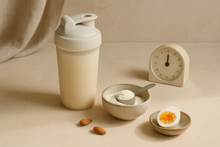
- Protein shakes: quick, 25 to 30 grams of protein per serving, no preparation needed
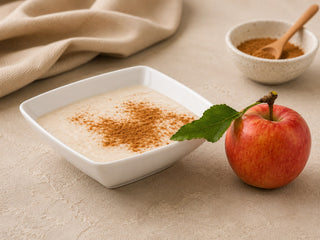
- Protein meals: for lunch or dinner, with clear macros per pack
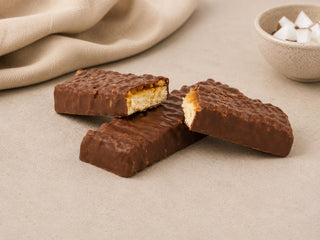
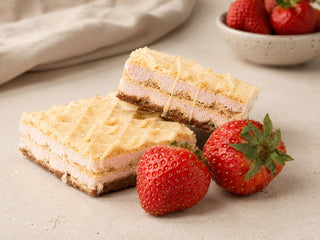
- Protein bars: for between meals, under 10 grams of carbohydrates per bar
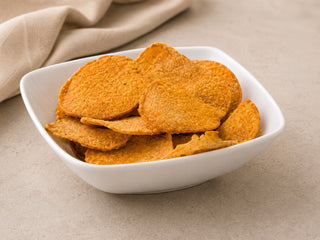
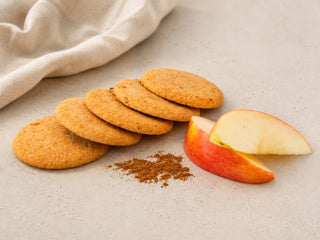
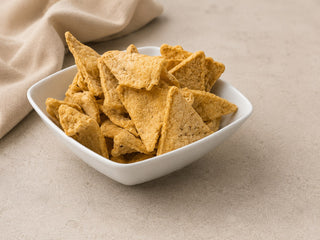
- Protein snacks: for when you fancy something to eat without upsetting your daily macros
Not sure where to start? Take the phase test and get instant advice based on your situation.
Frequently asked questions
What exactly is protein diet phase 1?
Phase 1 is the starting phase of a protein diet, in which you eat at least 80 grams of protein a day and limit carbohydrates to under 50 grams. The aim is to get the body switching quickly into fat-burning mode, while the high protein intake preserves muscle mass.
How quickly do you lose weight in phase 1?
Most people lose 2 to 4 kilograms in the first 7 to 14 days. A large part of this is fluid loss from depleting glycogen stores. Genuine fat burning starts from day 3 to 5 onwards and then continues at 0.5 to 1 kilogram a week.
Can you exercise during phase 1?
Light movement is fine, but intense exercise isn't advisable in the first week. Glycogen stores are low, which affects performance and recovery. After the 5 to 7 day adjustment period, you can gradually increase training intensity, provided protein intake is sufficient.
What should you do if you feel dizzy or tired in phase 1?
Dizziness and fatigue in the first 3 days are normal. Drink enough water (at least 2 litres) and make sure you're getting enough salt and potassium. If things haven't improved by day 5, or symptoms are severe, consult a GP or dietitian.
How long can phase 1 last?
A maximum of 4 weeks without medical supervision. For most people, phase 1 lasts two to three weeks. Going beyond 4 weeks increases the risk of muscle loss and a drop in basal metabolism. Moving on to phase 2 is the recommended next step after that.
Can you repeat phase 1 if you're not losing enough?
Yes, phase 1 can be repeated after a stable period in a later phase. This is sometimes called "re-induction". Don't do this for more than two consecutive cycles without professional guidance. Repeating it makes sense when you hit a plateau, not during normal progress.
Is phase 1 the same as a ketogenic diet?
There's overlap: both restrict carbohydrates heavily and stimulate fat burning. But a ketogenic diet is usually higher in fat (60 to 75 percent of calories from fat). Phase 1 of a protein diet also limits fat and prioritises protein as the key macronutrient, giving it a different physiological profile.
Which Bioteïne products are suitable for phase 1?
Shakes, protein meals, bars and snacks with fewer than 10 grams of carbohydrates per serving all fit within phase 1. The starter packs are specifically designed for this phase. Always check the label: at least 20 grams of protein and no more than 10 grams of carbohydrates per serving is a good guideline.