
Why sugar-free sauces work when you're losing weight
Sugar-free sauces add flavour to a high-protein diet without the calories and sugars that chip away at your daily allowance. A standard ketchup already contains 4-6 grams of sugar and 20-30 kcal per serving. Have that three times a day and you're looking at an extra 60-90 kcal, purely from condiments. Sugar-free alternatives typically come in under 10 kcal per serving.
That difference sounds small. But over a 12-week weight loss period, it can add up to more than 7,500 kcal, the equivalent of over a kilogram of body fat. Sauce is rarely a conscious choice within a diet, which is exactly what makes it such an effective place to trim calories without sacrificing flavour.
In this article, you'll learn how to judge sauces by their labels, how they're sweetened without sugar, and how to use them at every stage of a protein-based diet.
Sauce as a silent calorie-adder: the numbers
Most people underestimate just how many calories hide in condiments. A tablespoon of mayonnaise easily runs to 90-100 kcal. A dash of barbecue sauce, a dollop of ketchup, a spoonful of sweet and sour sauce: together these can add 200-300 kcal a day without ever really registering as "eating".
Research published in the American Journal of Clinical Nutrition shows that people consistently underestimate the calorie contribution of drinks and condiments, sometimes by 30-50 percent compared to solid food. The same mechanism applies to sauces: they simply don't get filed away as a "meal component" in our mental calorie counting.
The table below shows the difference between everyday sauces and their sugar-free equivalents, based on a standard 30-gram serving.
| Sauce (30g serving) | Calories (kcal) | Sugar (g) | Fat (g) |
|---|---|---|---|
| Standard ketchup | 30 | 6.5 | 0.1 |
| Sugar-free ketchup | 8 | 0.2 | 0.1 |
| Standard mayonnaise | 195 | 0.5 | 21 |
| Sugar-free light mayo | 45 | 0.2 | 4 |
| Standard barbecue sauce | 52 | 10 | 0.2 |
| Sugar-free barbecue sauce | 12 | 0.3 | 0.1 |
| Standard honey mustard sauce | 75 | 9 | 4.5 |
| Sugar-free mustard sauce | 18 | 0.2 | 1.2 |
| Standard sweet and sour sauce | 58 | 12 | 0.1 |
| Sugar-free sweet and sour sauce | 10 | 0.4 | 0.1 |
The savings per serving look modest, but the sum over a day, a week and a whole diet phase becomes significant. Anyone who saves 150-200 kcal a day on sauces and condiments is making a real contribution to their calorie deficit, without hunger and without cutting meal portions.
What to check on the label
Not every sauce marked "sugar-free" is genuinely low in calories or suited to weight loss. Labels can be misleading. Here are the four things worth checking every time.
1. Total sugars versus added sugars
A tomato-based sauce always contains some natural sugars from the fruit itself. That's not the same as added cane sugar or glucose syrup. Check the ingredients list: if sugar, fructose, glucose, corn syrup, cane sugar or maltodextrin appears in the top five, the sauce isn't functionally sugar-free.
2. kcal per 100g and per serving
Nutrition declarations are required per 100g by law, but what actually counts is the serving you use in practice. A sauce with 40 kcal per 100g looks low, but if the typical serving is 60g, you're already eating 24 kcal. Always work out the real per-serving calories.
3. Sweeteners
Sugar-free sauces are sweetened using alternatives. Common choices include sucralose, stevia, erythritol or maltitol. Sucralose and stevia carry no or negligible calories. Maltitol does contribute calories (2.4 kcal/g) and can have a laxative effect at higher doses. This matters most for sauces used in larger amounts, such as dressings.
4. Binders and thickeners
Starch, flour and maltodextrin are sometimes used as binders and add carbohydrates. Guar gum, xanthan gum and locust bean gum are fibre-based binders with minimal calorie impact. That difference sits in the ingredients list, not in the bold text on the front of the pack.
How sugar-free sauces are sweetened and thickened
Sugar does more in a sauce than simply add sweetness. It contributes to structure, viscosity and flavour balance. Sugar-free producers have to replicate those functions without adding calories, which is achieved through a combination of technology and ingredients.
Sweetening
Stevia extracts (rebaudiosides) are 200-300 times sweeter than sugar at virtually zero calories. They're often paired with erythritol to mask any bitterness. Sucralose (600 times sweeter than sugar) is heat-stable, which makes it suitable for hot sauces and marinades. The Dutch Nutrition Centre (Voedingscentrum) rates approved sweeteners as safe when used as intended.
Binding and texture
Xanthan gum is a polysaccharide that, even at low concentrations (0.1-0.5%), thickens a liquid sauce without contributing any flavour of its own. Guar gum works similarly and also has a mild prebiotic effect on gut flora. Psyllium fibre is occasionally used in thicker sauces such as dips. All of these are lower in calories than starch and have a lower glycaemic effect.
Flavours, uses and everyday application
Sugar-free sauces have plenty of uses. Here are the main applications, grouped by how you'd actually use them.
Dressings
Sugar-free dressings work well over salad, steamed vegetables and protein-rich bowls. Watch the fat content though: a sugar-free Caesar dressing can still contain 80-100 kcal per serving if it's oil-based. A yoghurt-based sugar-free dressing typically comes in at 15-30 kcal per serving.
Dips
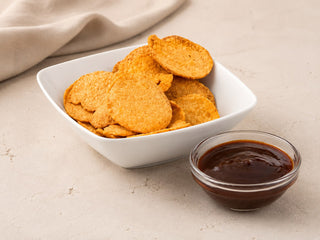
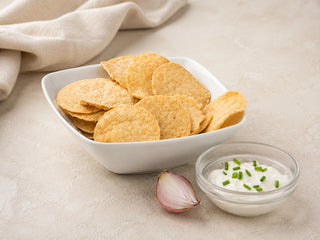
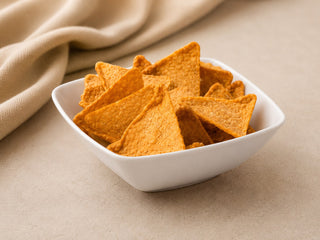
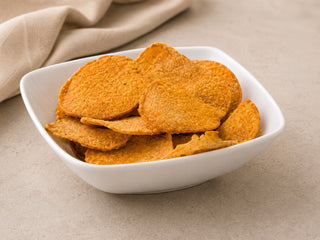
Dips work well with meals that are lower on flavour or texture: plain chicken, high-protein wraps, veg as a snack. Sugar-free ketchup, mustard sauce and barbecue sauce all work well as dips alongside high-protein snacks, including the high-protein snacks in the Bioteïne range.
Marinades
Marinades for poultry, fish or meat traditionally rely on sugar for caramelisation and depth of flavour. Sugar-free versions with sucralose and smoke flavouring recreate that profile reasonably well. Over high heat (grilling, roasting), sucralose holds up more reliably than stevia, which can turn slightly bitter at high temperatures.
Sauce base for hot meals
Sugar-free tomato sauces, curry sauces and sweet and sour sauces work well as a base for hot dishes built around protein sources from the Bioteïne meals range. They add volume and flavour without throwing off your macro balance.
Do sugar-free sauces fit every phase of a protein diet?
A structured protein diet works in phases, with the calorie and carbohydrate allowance varying by phase. The question is whether sugar-free sauces fit into every phase. Short answer: yes, but which one you choose depends on the phase.
Not sure which phase you're in? The Bioteïne phase test gives you a concrete starting point based on your starting weight, goal and eating pattern.
Intensive phase (phase 1)
In the intensive phase, carbohydrate allowance is tight, sometimes as low as 50-80g a day. Sauces with even 5-10g of sugar per serving can make a real dent in that. Stick to sauces with less than 1g sugar per serving and under 15 kcal per 30g in this phase. Always check the label, even on products marketed as "sugar-free".
Transition phase (phases 2 and 3)
The transition phase allows for more variety in food generally. Here there's more room for sauces with slightly higher values, as long as they fit within your daily budget. Sugar-free dressings and sauces add flavour variety here, which helps with sticking to the diet long-term. The high-protein diet guide explains how macronutrients are distributed across each phase.
Maintenance phase (phase 4)
In the maintenance phase, sugar-free sauces become a lasting swap for sugary versions. They help you hold onto your results without constantly checking labels. It's a habit that works without feeling restrictive.
Sugar-free sauces within the Bioteïne range
Bioteïne offers a focused selection of sugar-free sauces built around the requirements of a protein diet: low in sugar, low in calories, and versatile enough for hot and cold meals alike.
The sauces in the Bioteïne sauces collection meet strict macro requirements. Per 30g serving, they typically deliver under 15 kcal and less than 1g of sugar. They're formulated without maltodextrin as a primary binder and use sweeteners with a proven safety profile, in line with the assessment frameworks of the British Dietetic Association's guidance on sugar alternatives.
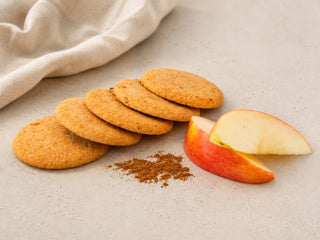
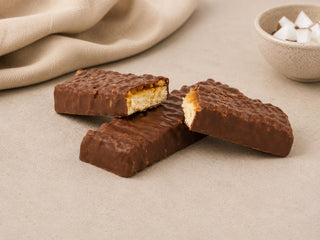
The range covers every use case: dressings, dips, marinades and sauce bases. They pair well with protein shakes, protein bars and protein biscuits as part of a complete daily structure.
For anyone starting a protein diet and looking for a complete package, the Bioteïne starter pack offers a structured foundation, including sauces and meal replacements tailored to the first few weeks.
A sauce isn't a luxury within a diet. It's a practical tool for staying consistent. Flavour is one of the strongest predictors of adherence in diet research, as also noted in studies on weight management via the Cambridge Weight Plan method. People who eat bland meals tend to give up sooner. Sugar-free sauces make sticking with it a lot easier.
Frequently asked questions
What is sugar-free sauce and how does it differ from regular sauce?
Sugar-free sauce contains no added sugars and is sweetened instead with alternatives such as stevia or sucralose. The flavour profile is comparable to regular sauce, but the calorie and glycaemic impact is significantly lower. That typically means 4-10 grams less sugar and 20-50 fewer calories per serving.
Is sugar-free sauce suitable for anyone trying to lose weight?
Yes, sugar-free sauces suit a wide range of weight loss approaches. They're relevant for anyone on a calorie-restricted diet, anyone limiting carbohydrates, and people with type 2 diabetes looking to lower the glycaemic load of their meals. Speak to a dietitian for specific medical goals.
Are the sweeteners in sugar-free sauces safe?
Approved sweeteners such as sucralose, stevia extracts and erythritol have been assessed by EFSA as safe at typical usage levels. The Dutch Nutrition Centre applies the same assessment. Maltitol can have a laxative effect at higher doses. Check which sweetener is used on the label.
How many calories can I save per day by choosing sugar-free sauces?
With three sauce servings a day of 30g each, you can save 60-180 kcal a day, depending on the type of sauce. Over 12 weeks, that adds up to 5,000-15,000 kcal, the equivalent of 0.6 to 1.7 kilograms of body fat, without changing your eating pattern at all.
Can I use sugar-free sauces on a low-carb or ketogenic diet?
That depends on the specific sauce. Check the carbohydrate content per serving. Sauces based on xanthan gum or stevia are generally suitable. Sauces using maltodextrin or starch as a binder fit less comfortably within a strict carbohydrate restriction.
What's the difference between sugar-free and low-calorie sauce?
Sugar-free means the sauce contains no added sugars. Low-calorie is broader and can also mean reduced fat. A sauce can be sugar-free but still relatively high in calories due to its fat content. Always check the full macro breakdown per serving, not just the sugar content.
How do I use sugar-free sauces as part of a phased diet?
In the intensive phase, choose sauces with less than 1g sugar and under 15 kcal per 30g serving. In later phases you have more room to vary. The Bioteïne phase test helps you work out which phase suits you and which sauces fit within it.
Are sugar-free sauces suitable as a marinade for cooking?
Yes, provided the sauce contains sucralose rather than stevia. Sucralose is heat-stable and behaves similarly to sugar under grilling and roasting in terms of texture and colour. Stevia can turn slightly bitter at high temperatures and works better in cold applications such as dressings and dips.