
Why cooking ahead works for weight loss
High-protein meal prep means preparing meals once or twice a week, each built around a fixed protein base of at least 25 to 35 grams per portion. Research shows that people who prepare meals in advance eat, on average, 137 fewer calories a day and are more likely to hit their protein target of 1.2 to 1.6 grams per kilogram of body weight.
The mechanism is simple. When food is already sitting ready, you're far less tempted to reach for something quick and calorie-dense. An empty fridge at half past six is a direct invitation to poor choices. A fridge with three covered containers is not.
Protein plays a specific role here. It suppresses ghrelin, the hunger hormone, more effectively than carbohydrates or fats do. A meal containing 35 grams of protein keeps you satisfied for roughly 3 to 4 hours. That makes resisting snacks less about willpower and more about biochemistry.
Curious how much protein you need each day? Take the Bioteïne phase test for a personal starting point.
The meal-prep formula: protein, veg, slow-release carbs
Every meal you prepare is built on the same three pillars. No more, no less. That way you always know exactly what's on your plate, even when you're pressed for time.
Pillar 1: protein (25 to 40 grams per portion)
This is the foundation. Choose sources that store well, are easy to prepare in bulk, and don't dry out on reheating. Chicken breast, Greek yoghurt, cottage cheese, salmon, eggs and pulses are all reliable choices. Red meat can work too, though it doesn't keep quite as well as chicken or fish.
- 150 g chicken breast (fried): 42 g protein, 165 kcal
- 200 g Greek yoghurt (10% fat): 20 g protein, 190 kcal
- 200 g cottage cheese: 22 g protein, 140 kcal
- 150 g salmon (roasted): 30 g protein, 280 kcal
- 3 boiled eggs: 19 g protein, 225 kcal
Pillar 2: vegetables (200 to 300 grams per portion)
Vegetables add volume without piling on the calories. 250 grams of broccoli contains a mere 85 kcal but fills you up considerably. Go for varieties that reheat well: broccoli, peppers, courgette, spinach, cauliflower, green beans. Raw veg works too, but store it separately so it doesn't go limp.
Pillar 3: slow-release carbohydrates (100 to 150 grams cooked per portion)
Slow-release carbs provide energy without sharp blood sugar spikes. That matters for weight loss, because peaks and troughs in blood sugar make you hungrier. Good meal-prep choices include brown rice, quinoa, sweet potato, wholewheat pasta and chickpeas. All of these cook easily in large batches.
The ratio on your plate: 30 to 35% protein, 40 to 45% vegetables, 20 to 30% carbohydrate. No need to weigh everything out, just think visually: half your container is veg, a quarter is protein, a quarter is carbs.
Read more about the reasoning behind a high-protein diet in the Bioteïne high-protein diet guide.
Weekly plan: 5 days of lunches and dinners, prepared in advance
The plan below is based on a daily protein intake of 120 to 140 grams, suitable for someone weighing 70 to 80 kg who's trying to lose weight. All meals can be prepared on Sunday, with a top-up on Thursday if needed.
| Day | Lunch | Dinner | Protein (daily total) |
|---|---|---|---|
| Monday | Chicken breast, quinoa, pepper and cucumber | Salmon, sweet potato, broccoli | ±128 g |
| Tuesday | Cottage cheese bowl, chickpeas, green beans | Turkey mince, brown rice, courgette | ±135 g |
| Wednesday | Greek yoghurt, hard-boiled eggs, spinach | Chicken breast, wholewheat pasta, tomato sauce | ±122 g |
| Thursday | Salmon, quinoa, roasted pepper | Cottage cheese, sweet potato, cauliflower | ±130 g |
| Friday | Chicken, brown rice, broccoli | Eggs, chickpeas, spinach | ±119 g |
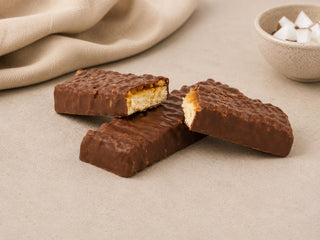
Breakfast and snacks aren't included in this plan. For a complete daily total, add another 20 to 30 grams of protein from breakfast and snacks. Think cottage cheese, a protein shake or a protein bar.
The shopping list principle: buy for the week, not the day
Shopping daily is the enemy of consistent meal prep. You end up buying too much, throwing too much away, or picking up something impulsive that doesn't fit your plan. Shop once a week, using a fixed list template.
Here's a system that actually works: split your shopping list into three categories that mirror the three pillars of your meals. It keeps things clear and stops you forgetting anything.
Protein sources (for 5 days, 2 people)
- 800 g chicken breast
- 400 g salmon or other oily fish
- 500 g turkey mince
- 12 eggs
- 500 g cottage cheese
- 2 x 500 g Greek yoghurt
Vegetables (fresh or frozen)
- 1 kg broccoli (frozen works perfectly well)
- 4 peppers
- 3 courgettes
- 400 g spinach (frozen)
- 400 g green beans
- 1 cauliflower
Slow-release carbohydrates
- 500 g brown rice (dry)
- 400 g quinoa (dry)
- 3 to 4 sweet potatoes
- 2 tins of chickpeas
- 500 g wholewheat pasta
Frozen vegetables deserve more credit than they usually get. They contain, on average, just as many vitamins as fresh vegetables, since they're frozen immediately after harvest. The Netherlands Nutrition Centre confirms that frozen vegetables are a fully valid alternative.
Storing and freezing: how long is safe
Prepared meals can be kept in the fridge for a maximum of 3 to 4 days. That means if you prep on a Sunday, you'll hit the limit by Wednesday. On Thursday, you'll either need to cook again or dip into meals you've frozen.
| Food | Fridge (max.) | Freezer (max.) | Note |
|---|---|---|---|
| Cooked chicken | 3 days | 3 months | Store dry, separate from sauce |
| Cooked fish | 2 days | 2 months | Freezes well, though texture changes slightly |
| Cooked rice/quinoa | 4 days | 3 months | Cool quickly to avoid Bacillus cereus risk |
| Cooked pulses | 4 days | 3 months | Freezes very well |
| Eggs (boiled, peeled) | 5 days | Not recommended | Texture turns rubbery when frozen |
| Cooked vegetables | 3 to 4 days | 2 to 3 months | Blanch first before freezing |
Practical tip: prepare Monday to Wednesday's meals on Sunday, and Thursday and Friday's meals on Wednesday evening. That's only 30 to 45 minutes extra, but it stops you eating meals on Friday that are already five days old.
Store meals in matching glass or BPA-free plastic containers. Write the preparation date on the lid with a marker. Sounds like overkill. It isn't.
Saving time: the practical order of operations
Most people give up on meal prep not because it's too difficult, but because it takes too long. Ninety minutes on a Sunday is fine. Three hours isn't. The order in which you do things makes all the difference.
- Start with the oven (200°C). Put chicken, sweet potato and peppers on a baking tray together. This takes 25 to 30 minutes, hands-off.
- Get the rice and quinoa on at the same time. Two pans. Rice takes 20 minutes, quinoa 15. No attention needed.
- Chop and blanch vegetables while the oven and pans are doing their thing. Broccoli and green beans: 3 minutes in boiling water, then straight into cold water.
- Boil eggs in the same pan you used for the veg. Hard-boiled: 9 minutes.
- Portion everything out as it cools. Use scales the first few times. After that, you'll be able to judge by eye.
Total active time: 35 to 45 minutes. Total elapsed time, including waiting around: 75 to 90 minutes. For five days' worth of meals, that's efficient by any measure.
The British Dietetic Association explicitly recommends meal planning as a weight management strategy, precisely because it reduces impulsive food choices.
Bioteïne meals as a backup for busy days
Meal prep doesn't always go to plan. You've been ill, you've had a hectic week, or you've simply run out of containers. That's when you need a reliable backup with the same protein profile as your home-cooked meals.
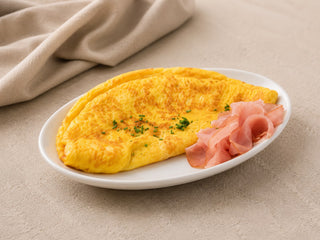
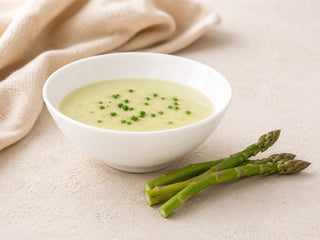
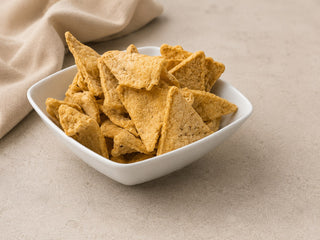
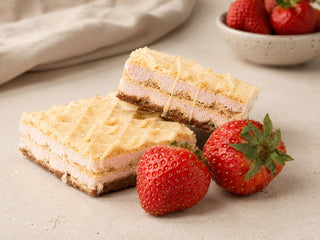
The Bioteïne meals were developed as a proper stand-in for exactly those moments. They contain 25 to 35 grams of protein per portion, are calorie-controlled and fit neatly into the 4-phase system. No prep time, no washing up, and the same protein target as your own cooking.
That's not a substitute for regular meal prep. It's a safety net. The difference matters. Use them on days when your fridge is bare or you've no idea what to eat. Don't use them as an excuse to skip cooking altogether.
For anyone completely new to eating a high-protein diet, the Bioteïne starter pack offers a structured way to begin. It includes a selection of products suited to the first few weeks, along with guidance through the 4-phase system.
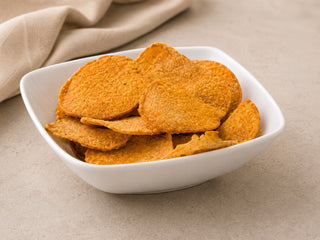
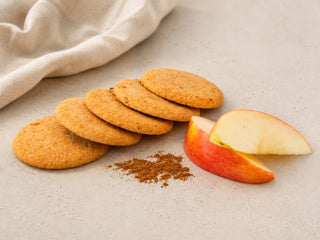
As a top-up between meals: a protein biscuit or a protein snack works well on days when lunch falls a little short on protein. Aim for 25 to 30 grams of protein per eating occasion, spread across 4 to 5 occasions a day.
Want to know which phase of a high-protein diet suits you? The Bioteïne phase test gives you personal advice in under 2 minutes.
For more background on how protein supports weight loss, see the complete high-protein diet guide, including calculations for your own body weight and an explanation of the most common mistakes people make with high-protein eating. See also this 2015 study in the American Journal of Clinical Nutrition on the relationship between protein intake and satiety during weight loss.
Frequently asked questions
How much protein does a meal-prep meal need?
Aim for 25 to 40 grams of protein per meal. That's enough to limit muscle breakdown during a calorie deficit and keep you feeling full for 3 to 4 hours. Across 4 to 5 meals a day, this works out to 100 to 160 grams of protein daily, depending on your body weight.
How long can I keep prepared meals in the fridge?
Prepared meals containing meat or fish keep for a maximum of 3 days in the fridge. Rice, pulses and vegetables can last 4 days. If you're prepping for 5 working days, split it across two sessions: Sunday and Wednesday evening.
Is meal prep suitable if I'm trying to lose weight quickly?
Yes, and it's actually one of the best-evidenced strategies going. People who prepare meals in advance eat fewer calories on average and hit their protein targets more often. It removes the daily decision fatigue that so often leads to falling off a diet.
Can I freeze prepared meals?
Chicken, quinoa, rice and pulses freeze well for up to 3 months. Fish loses a bit of texture but remains perfectly edible for up to 2 months. Boiled eggs and salad-type dishes don't freeze well. Portion everything into individual containers before freezing.
What if I don't have time to cook this week?
Use that moment for a controlled backup. Ready-made protein meals with 25 to 35 grams of protein per portion fill the gap without you reaching for calorie-dense alternatives. Treat it as an emergency measure, not a habit.
How much time does meal prep take each week?
With an efficient order of operations, one prep session takes 75 to 90 minutes, of which 35 to 45 minutes is active time. Two sessions a week, covering 5 days of lunches and dinners, adds up to 2.5 to 3 hours in total. For comparison, an average Netflix episode runs about 45 minutes.
Which protein sources work best for meal prep?
Chicken breast, turkey mince, salmon, eggs and pulses are the most suitable. They store well, are reasonably affordable, and hold up to reheating. Red meat works too, but dries out more quickly. Dairy such as cottage cheese and Greek yoghurt is best kept uncooked and stored separately.
Do I need to count calories with high-protein meal prep?
Not necessarily. If your meals consistently contain 25 to 35 g of protein, enough vegetables (200 to 300 g) and a controlled portion of slow-release carbs, satiety largely regulates your intake automatically. Counting can help in the first couple of weeks while you're getting a feel for portion sizes.