
What makes a breakfast low-carb and protein-rich?
A low-carb breakfast contains fewer than 20 grams of carbohydrates, at least 20 grams of protein, and stays under 300 kcal. That combination keeps you satisfied without a blood sugar spike, so you're far less likely to feel hungry before lunch. Research published in The American Journal of Clinical Nutrition shows that a protein-rich breakfast keeps you feeling full for significantly longer than a carbohydrate-heavy alternative.
12 low-carb breakfast ideas at a glance
The table below gives you all 12 ideas in one overview. All values are based on standard portions. Carbohydrates shown are total carbs, including fibre.
| Breakfast idea | kcal | Carbs (g) | Protein (g) | Prep time |
|---|---|---|---|---|
| Scrambled eggs with smoked salmon (2 eggs + 75g salmon) | 280 | 1 | 31 | 5 min |
| Greek yoghurt (200g, full-fat, unsweetened) + walnuts (15g) | 245 | 8 | 22 | 2 min |
| Bioteïne protein shake (1 scoop + 250ml unsweetened almond milk) | 175 | 5 | 26 | 2 min |
| Feta and spinach omelette (3 eggs + 30g feta) | 290 | 3 | 27 | 10 min |
| Cottage cheese (200g) + cucumber + chia seeds (10g) | 220 | 7 | 24 | 3 min |
| Bioteïne protein meal shake (ready-made) | 210 | 9 | 25 | 0 min |
| Hard-boiled eggs (3) + avocado (50g) | 295 | 4 | 22 | 12 min |
| Protein pancakes (2, protein-powder based) | 265 | 12 | 28 | 12 min |
| Tuna and egg salad (100g tuna + 1 egg + mustard) | 230 | 2 | 34 | 5 min |
| Bioteïne protein biscuit + coffee with milk (100ml) | 195 | 14 | 20 | 0 min |
| Scrambled tofu (150g) with peppers and turmeric | 200 | 6 | 21 | 10 min |
| Homemade protein "overnight oats" (seed-based, no oats) | 285 | 11 | 24 | 5 min (evening) |
4 quick options: ready in under 5 minutes
On busy mornings, you simply don't have 20 minutes to spare. These four options take under 5 minutes yet still deliver at least 20 grams of protein.
1. Greek yoghurt with walnuts
Take 200 grams of full-fat, unsweetened Greek yoghurt (around 10% fat). Add 15 grams of chopped walnuts. That gives you 22 grams of protein, 8 grams of carbs and 245 kcal. Skip the added sugar: the yoghurt's naturally tangy flavour is satisfying on its own.
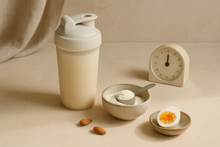
2. Bioteïne protein shake
One scoop of protein powder in 250 ml of unsweetened almond milk. Shake and drink. Done in 2 minutes. This delivers 26 grams of protein for just 5 grams of carbs and 175 kcal. Browse the full range at Bioteïne shakes.
3. Tuna and egg salad
Open a tin of tuna in water (100 grams drained), mix with a hard-boiled egg straight from the fridge and a teaspoon of mustard. Total: 34 grams of protein, 2 grams of carbs, 230 kcal. Savoury and filling.
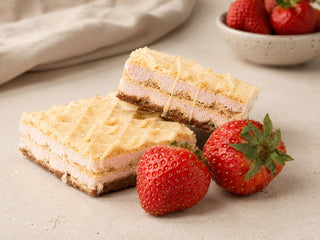
4. Bioteïne protein biscuit
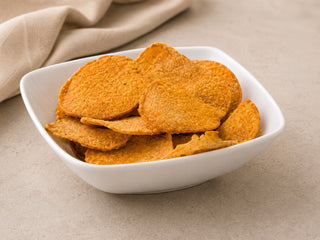
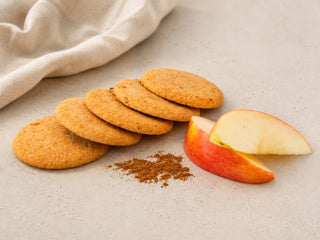
No preparation needed. A Bioteïne protein biscuit provides 20 grams of protein in a compact, portable form. Pair with a black coffee or tea. Ideal if you're on the go. Take a look at the Bioteïne biscuits collection.
4 cooked options: ready in under 15 minutes
Got a bit more time, or fancy something warmer and more substantial? These four recipes take no more than 15 minutes and offer more variety in flavour and texture.
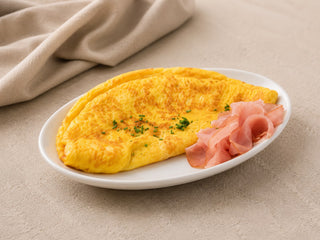
5. Feta and spinach omelette
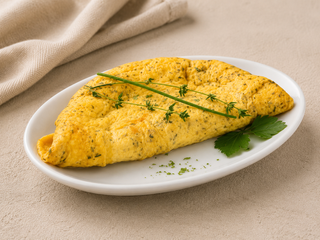
Whisk 3 eggs. Fry in a pan with a little olive oil (5 ml). Add 50 grams of frozen spinach (defrosted and squeezed dry) and 30 grams of crumbled feta. Fold and serve. This delivers 27 grams of protein, 3 grams of carbs and 290 kcal. The feta adds sodium and flavour without extra carbs.
6. Protein pancakes
Mix 1 scoop of protein powder (vanilla works well) with 1 egg, 1 tablespoon of chia seeds and 50 ml of almond milk. Cook two small pancakes over medium heat. Top with 50 grams of Greek yoghurt. Total: 28 grams of protein, 12 grams of carbs, 265 kcal. This recipe fits well within a high-protein diet.
7. Scrambled tofu with peppers
Crumble 150 grams of firm tofu into a hot pan. Add grated pepper (50 grams), turmeric, salt and black pepper. Cook for 8 minutes over medium heat. Tofu offers a plant-based option with 21 grams of protein for just 6 grams of carbs and 200 kcal.
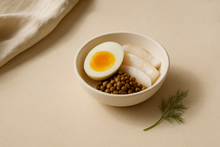
8. Hard-boiled eggs with avocado
Boil 3 eggs (10 minutes). While they cook, mash 50 grams of avocado with lemon juice and sea salt. Arrange the peeled eggs alongside the avocado on a plate. Simple and nourishing: 22 grams of protein, 4 grams of carbs, 295 kcal.
Sweet versus savoury: which style suits you
Most people have a preference that ties into their rhythm and taste. Both styles can fit within the guidelines of fewer than 20 grams of carbs and at least 20 grams of protein.
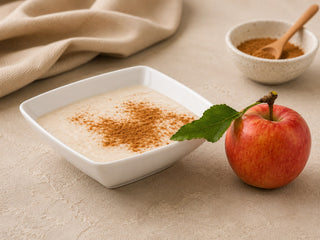
- Sweet profile: Greek yoghurt, protein pancakes, cocoa or vanilla protein shakes, an overnight seed base with cinnamon. Bear in mind that fruit quickly adds 10 to 15 grams of carbs. Stick to a maximum of 50 grams of berries (strawberries or blueberries).
- Savoury profile: Omelette, scrambled eggs with salmon, tuna salad, scrambled tofu. Savoury breakfasts tend to score lower on carbs since there's no added sugar involved.
Not sure which pattern suits your phase best? Take the Bioteïne phase test to discover which approach fits your situation.
Meal prep: your low-carb breakfast for the whole week
Consistency is the single biggest factor in a successful high-protein diet. Prepping on a Sunday removes the barrier on Monday morning.
Weekly prep in 30 minutes
- Boil 8 eggs in one pan. Store them unpeeled in the fridge. They'll keep for 7 days.
- Portion Greek yoghurt into 5 small tubs of 200 grams each. Set aside a small bag of walnuts (15g) with each one.
- Mix the seed base for an overnight breakfast: 4 tablespoons chia seeds, 2 tablespoons hemp seeds, 200 ml unsweetened coconut milk, 1 scoop protein powder. Divide across 2 jars. After 8 hours in the fridge, they're ready.
- Set out your Bioteïne products in a fixed spot, along with a shaker and a daily portion of almond milk.
With this prep, you'll have a ready breakfast for 4 to 5 mornings, each with at least 22 grams of protein and under 15 grams of carbs per portion. Explore further options in the Bioteïne meals collection.
Common mistakes: hidden carbs that sabotage your efforts
Even people who consciously choose a low-carb breakfast slip up by trusting products that look healthy but carry relatively high carb counts.
Porridge oats
A 50-gram portion of oats contains around 30 grams of carbohydrates on average. That's already 1.5 times your daily breakfast limit. Oats are nutritious, but they're not low-carb. Swap them for chia or hemp seeds as your base instead.
Large amounts of fruit
A banana contains 23 grams of carbs. An apple around 20 grams. Mango and grapes score even higher. Stick to a maximum of 50 grams of red berries (strawberries, raspberries): that's only 3 to 4 grams of carbs. See also the guidance from the Dutch Nutrition Centre (Voedingscentrum) on carbohydrates in fruit.
Granola and muesli
Granola contains an average of 60 grams of carbs per 100 grams, often with added honey or sugar. Even "sugar-free" granola still contains 45 to 50 grams of carbs per 100 grams from the grains alone.
Flavoured plant milks
Soya, oat and rice milk with vanilla or chocolate flavouring contain 8 to 15 grams of carbs per 200 ml. Choose unsweetened almond milk instead: around 1 gram of carbs per 200 ml.
Low-fat yoghurt
Fat-free (0%) Greek yoghurt contains more lactose (milk sugar) than the full-fat version: sometimes 10 to 12 grams of carbs per 200 grams versus 6 to 8 grams for full-fat yoghurt. Full-fat yoghurt is the better choice on a low-carb diet. The British Dietetic Association confirms that fat percentage alone isn't a direct predictor of weight gain when calorie intake is controlled.
Bioteïne breakfast options: when you don't fancy cooking
Not every morning allows for time or energy to cook. Bioteïne offers products designed specifically for moments when convenience and nutrition need to go hand in hand.
- Protein shakes: 26 grams of protein, 5 grams of carbs, 175 kcal. Ready in 2 minutes. Suitable as a complete meal replacement. See the shakes collection.
- Meal shakes and drinkable meals: Fully balanced with vitamins and minerals. Handy for mornings on the move. Browse the meals collection.
- Protein biscuits: 20 grams of protein, portable, no preparation required. Pair with a black coffee or tea. See the biscuits collection.
- Starter pack: Just beginning a high-protein diet? The Bioteïne starter pack gives you an overview of the most suitable products for each moment of the day.
For the full picture of how to build your breakfast into a high-protein daily structure, read the Bioteïne high-protein diet guide.
Frequently asked questions
How many carbs should a low-carb breakfast contain?
A low-carb breakfast should ideally contain fewer than 20 grams of carbohydrates. Under a strict ketogenic protocol, that limit drops to 10 grams. For most people looking to lose weight without going fully keto, 15 to 20 grams per breakfast is a realistic and effective threshold.
Can I lose weight just by eating a low-carb breakfast and eating normally afterwards?
A low-carb breakfast reduces blood sugar spikes and morning hunger, but its effect is limited if the rest of your day doesn't follow suit. Consistency across the whole day matters more than any single meal. A structured plan such as the 4-phase system offers more support.
Is a scrambled egg a good low-carb breakfast?
Yes. Two to three eggs provide 12 to 18 grams of protein for virtually zero carbs. Pair with smoked salmon or vegetables to push past 20 grams of protein. Cooking in coconut fat or butter adds no carbs and improves satiety.
What's a carb-free, protein-rich breakfast for vegetarians?
Eggs, Greek yoghurt (full-fat, unsweetened), cottage cheese, tofu and whey-based or plant-based protein powders are all suitable. A spinach and feta omelette or scrambled tofu with vegetables delivers 20 to 27 grams of protein for fewer than 6 grams of carbs.
Can I drink coffee with a low-carb breakfast?
Yes. Black coffee contains zero carbs. If you add milk, choose unsweetened almond milk (around 0.5 grams of carbs per 100 ml). Avoid coffee creamers, sugar, flavoured syrups and ready-made coffee drinks: these often contain 15 to 25 grams of carbs per serving.
How do I combine a low-carb breakfast with morning exercise?
If you train fasted or straight after waking, a protein shake right after training is an efficient choice: quickly absorbed, low in carbs, high in protein. If you're training intensively for over 60 minutes, 10 to 15 grams of slow-releasing carbs beforehand can support performance without derailing your diet.
Are protein shakes a proper breakfast?
A shake based on protein powder alone isn't a complete meal: it lacks fibre, fats and micronutrients. Pair it with a small portion of nuts or vegetables, or opt for a complete meal shake specifically formulated as a meal replacement with vitamins and minerals.
How quickly will I notice results from a low-carb breakfast when losing weight?
The first effects are subjective: less morning fatigue, steadier energy and reduced hunger before lunch, often noticeable within 3 to 7 days. Weight loss itself depends on your total daily calorie balance. On average, a consistent high-protein approach results in 0.5 to 1 kg of loss per week with a 500 kcal daily deficit.