
Does low-fat quark actually help with weight loss?
Yes, low-fat quark is a genuinely effective choice when you're trying to shed weight. Per 100g, it delivers around 11g of protein for just 60 kcal. Protein keeps you feeling fuller for longer than carbohydrates or fat, which naturally curbs how much you eat over the course of a day. As long as you steer clear of sugar or sweetened toppings, it slots neatly into a calorie deficit.
Quark has featured on dietitians' shopping lists for years, and with good reason. It's inexpensive, widely available and endlessly versatile. That said, there are a few pitfalls most people fall into, which we'll cover further down.
Why quark is so satisfying
The secret lies in the protein itself. Quark is predominantly made up of casein, a slow-digesting milk protein. Whereas whey protein is absorbed into the bloodstream quickly, casein takes four to seven hours to break down fully, giving you a steady, lasting sense of fullness.
Protein triggers the release of the satiety hormones GLP-1 and PYY, while suppressing ghrelin, the hormone that drives hunger. This isn't marketing spin, it's straightforward physiology. A study published in the American Journal of Clinical Nutrition found that a protein intake of 25 to 30 percent of daily calories led to significantly reduced hunger and lower spontaneous energy intake.
Casein has a particular edge over other protein sources here: it forms a gel-like substance in the stomach, which slows gastric emptying. In practical terms, a 200g portion of quark will keep you fuller for longer than an equivalent portion of chicken, even when the protein content is comparable.
Curious how protein works at a cellular level to support weight loss? The Bioteïne high-protein diet guide goes into this in more depth.
Comparing quark varieties
Not all quark is created equal. The nutritional values vary considerably, especially once you factor in ready-made varieties. The table below gives an overview per 100g of product.
| Type of quark | Protein (g) | Fat (g) | Carbohydrates (g) | Calories (kcal) |
|---|---|---|---|---|
| Low-fat quark (0% fat) | 11 | 0.2 | 3.5 | 60 |
| Semi-skimmed quark (2% fat) | 10 | 2.0 | 3.8 | 75 |
| Full-fat quark (10% fat) | 8 | 10 | 3.3 | 137 |
| Fruit quark (ready-made) | 5 to 7 | 0.1 to 2 | 12 to 18 | 80 to 120 |
| Greek yoghurt (10% fat) | 9 | 10 | 4.0 | 130 |
Low-fat quark clearly wins out on the combination of high protein and low calories. Fruit quark stands out for the wrong reasons, low protein and high sugar. In practice, it's really a dessert rather than a protein-rich meal.
How much quark per day when losing weight?
A workable daily plan starts with your protein requirement. For weight loss while preserving muscle mass, the British Dietetic Association recommends 1.2 to 1.6g of protein per kilogram of body weight per day. For someone weighing 75kg, that works out to 90 to 120g of protein daily.
Quark should form part of that total intake, not your only source. A practical breakdown might look like this:
- 200g low-fat quark at breakfast: 22g protein, 120 kcal
- 150g low-fat quark as a snack: 16.5g protein, 90 kcal
- The rest of your protein requirement comes from meat, fish, pulses or protein products
350g of quark a day is a sensible upper limit for most people. Beyond that, the sheer concentration of a single protein type can put strain on gut flora, and frankly, it becomes monotonous enough to derail your motivation.
Not sure which phase of your diet you're in, or how much protein suits you? Take the Bioteïne phase test for a personalised guideline.
The pitfalls of a quark-based diet
Quark has a neutral flavour. That's precisely the problem. Most people "improve" it by adding sugar, which wipes out the benefit of a low-calorie food.
Sugar and honey
Two teaspoons of honey stirred into your quark already adds 45 kcal and 12g of fast-acting sugar. Those calories count. Honey isn't a healthy exception here. Use a stevia-based sweetener, or eat your quark plain, if you're serious about maintaining a calorie deficit.
Ready-made fruit quark
Most supermarket fruit quark contains 14 to 18g of sugar per 100g, more than you'd find in cola. Protein content drops to just five to seven grams. As a protein source for a diet, this product has barely any value.
Granola and muesli toppings
A 50g serving of granola easily adds up to 220 kcal and 30g of carbohydrates. Paired with quark, it looks like a healthy choice, but calorie-wise you'd be better off with a slice of bread. Stick to a small handful of berries or a tablespoon of chopped nuts if you want to add something.
Not enough variety
Quark every single day, for breakfast and snacks alike, gets tedious for most people by around day ten. Monotony is one of the main reasons diets fail. Don't underestimate this risk.
Quark versus a protein shake or protein pudding
Quark works well, but it has its limits. A 200g portion gives you 22g of protein for 120 kcal. A good protein shake or protein pudding delivers 25 to 35g of protein per serving, sometimes with fewer calories, depending on the formula.
Here's the practical comparison:
| Product | Protein per serving (g) | Calories per serving (kcal) | Prep time | Shelf life |
|---|---|---|---|---|
| Low-fat quark (200g) | 22 | 120 | 0 min (ready to eat) | Fridge, 1-2 weeks |
| Protein pudding (Bioteïne) | 25 to 30 | 130 to 160 | 1 to 2 min (mix) | Long shelf life, no refrigeration |
| Protein shake (Bioteïne) | 25 to 30 | 120 to 150 | 1 min (shake) | Long shelf life, no refrigeration |
Quark is a great choice at home, at breakfast, when you can just open the fridge. A protein shake or pudding works better when you're out and about, at your desk, or too tired to prepare anything. They're not mutually exclusive. Using both cleverly is the smart approach.
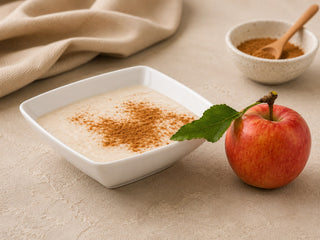
Take a look at the Bioteïne protein shakes if you're after the variety quark simply can't offer. For a creamy pudding experience, the Bioteïne protein meals make a straightforward swap for a quark snack.
Practical quark recipes for a diet
Variety keeps you on track. Here are four concrete ways to use low-fat quark without sabotaging your calorie intake.
Savoury quark with cucumber and dill
200g low-fat quark, half a cucumber diced, a pinch of salt, freshly ground pepper, fresh dill. Total: roughly 130 kcal, 22g protein. Works well as a lunch or as a side to a light meal.
Quark with frozen berries
150g low-fat quark, 80g frozen mixed berries (straight from the freezer, which gives it a lovely icy texture), a pinch of cinnamon if you like. Total: roughly 130 kcal, 17g protein. The berries add sweetness without any added sugar.
Quark as a sauce base
Swap soured cream or crème fraîche in recipes for low-fat quark. You'll save 80 to 150 kcal per 100g. It works well with a jacket potato, as a dip, or stirred into a warm pasta sauce (add the quark off the heat, otherwise it'll split).
Quark overnight oats with a protein boost
40g oats, 100g low-fat quark, 100ml unsweetened almond milk, a dash of cinnamon. Leave overnight in the fridge. Total: roughly 280 kcal, 18g protein. A filling breakfast option that keeps you going right through to lunch.
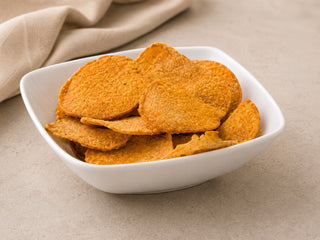
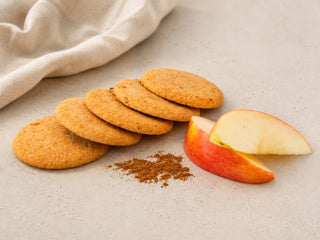
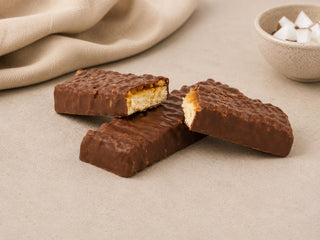
If you're after more variety on a regular basis, have a look at the Bioteïne protein biscuits or protein bars as an alternative to quark snacks on the go.
Quark as part of a broader protein diet
Quark is a building block, not the whole foundation. An effective protein diet is built around a daily calorie deficit of 300 to 500 kcal, combined with a protein intake of 1.2 to 1.6g per kilogram of body weight. This approach preserves muscle mass while you lose fat mass. The Voedingscentrum confirms that gradual weight loss of 0.5 to 1kg per week is achievable and sensible with this approach.
Quark fits neatly into this as a protein- and calorie-efficient choice. But it's no substitute for a structured plan. If you're serious about losing weight while preserving muscle, a system that accounts for phasing, protein distribution throughout the day and product combinations will get you much further than simply swapping individual foods around.
The Bioteïne high-protein diet guide walks you through that system step by step. And if you want to know which Bioteïne starter pack suits your current phase, the starter pack overview is a logical next stop.
Frequently asked questions
Is low-fat quark good for weight loss?
Yes. Low-fat quark contains around 11g of protein and just 60 kcal per 100g. Protein keeps you fuller for longer than carbohydrates or fat. As long as you avoid sugar or sweetened toppings, quark helps you stick to a calorie deficit without constant hunger.
How much quark per day when dieting?
200 to 350g a day is a workable range for most people. That gives you 22 to 38g of protein for 120 to 210 kcal. Going beyond 350g a day offers little extra benefit, it becomes monotonous, and quark shouldn't be your only protein source anyway.
Which quark is best for weight loss?
Low-fat quark at 0 percent fat gives the best ratio of protein to calories. Supermarket fruit quark is best avoided, it's low in protein and high in sugar, sometimes over 15g per 100g. That's not a diet product.
Can you eat quark if you're lactose intolerant?
Quark contains little lactose, since much of it is broken down during fermentation. Many people with mild lactose intolerance tolerate low-fat quark well. If your intolerance is more severe, it's worth choosing a lactose-free version, or switching to a dairy-free protein shake.
Is eating quark before bed useful for weight loss?
Casein, quark's main protein, digests slowly over four to seven hours. A 150g portion of low-fat quark before bed supports muscle recovery overnight and helps stop you waking up hungry. At 90 kcal, it fits easily into a daily calorie budget.
What's the difference between quark and Greek yoghurt when dieting?
Low-fat quark contains more protein (11g per 100g) and fewer calories than full-fat Greek yoghurt (9g protein, 130 kcal per 100g). For a diet built around protein efficiency, low-fat quark is the better choice. Greek yoghurt is a fine way to mix things up, just keep an eye on the fat content.
When is a protein shake better than quark?
A protein shake works better when you're on the go, short on time, or want to break the monotony of quark. Shakes have a long shelf life and deliver 25 to 30g of protein per serving for comparable calories. Quark works better as a meal component at home, rather than as a full meal replacement.
Can you combine quark with fruit when trying to lose weight?
Yes, as long as you keep the fruit portion modest. Frozen berries (80g) add roughly 30 to 40 kcal with no added sugar. Steer clear of dried fruit and sweetened fruit mixes, they add 80 to 150 kcal per portion without any extra protein value.