
Cheap protein-rich eating: the best sources per euro
Affordable protein-rich eating is entirely possible with eggs, quark, pulses, chicken breast and porridge oats. These five staples deliver between 7 and 25 grams of protein per euro, depending on the brand and shop. Build your diet around them consistently and you can hit 100 grams of protein a day for under 3 euros in shopping costs.
Most people pay too much for protein. Not because they're buying luxury products, but because they never compare grams of protein per euro. A steak contains 26 grams of protein per 100 grams, which sounds impressive, but at 12 euros a kilo you're paying 4.6 cents per gram of protein. Eggs deliver the same protein for under 1 cent per gram. The difference isn't in the quality of the protein, it's in the price of the product.
Below is a straightforward comparison of the most affordable protein sources, expressed in grams of protein per euro.
Protein sources compared: grams of protein per euro
| Product | Protein per 100 g | Average price | Grams of protein per euro |
|---|---|---|---|
| Eggs (6, 300 g) | 13 g | €1.49 | 26 g / euro |
| Low-fat quark (500 g) | 11 g | €1.09 | 50 g / euro |
| Dried lentils (500 g) | 25 g | €1.39 | 90 g / euro |
| White beans (tin, 400 g drained) | 8 g | €0.89 | 36 g / euro |
| Chicken breast (fresh, 600 g) | 31 g | €4.49 | 41 g / euro |
| Porridge oats (500 g) | 13 g | €0.79 | 82 g / euro |
| Greek yoghurt 0% (500 g) | 10 g | €1.69 | 30 g / euro |
| Tuna in water (tin, 150 g drained) | 26 g | €1.29 | 30 g / euro |
| Edamame (frozen, 500 g) | 11 g | €1.99 | 28 g / euro |
Prices are based on supermarket own-brand products, measured in 2024. Branded equivalents cost 20 to 40% more without any meaningful nutritional advantage.
Lentils and porridge oats come out on top for grams of protein per euro. That said, plant-based protein is incomplete on its own, as it lacks one or more essential amino acids. Always pair lentils with a grain (rice, oats, bread) or a small amount of animal protein to round out the amino acid profile. This is explained by the Voedingscentrum in its guidance on plant-based nutrition.
Shop smart: get more protein from the same budget
Shopping smart lowers your cost per gram of protein without requiring you to overhaul your entire diet. A handful of practical habits make the difference.
Buy larger packs
A 1kg bag of porridge oats costs €1.29 at most supermarkets. A 500g bag costs €0.79. That means the larger pack is 19% cheaper per 100 grams. The same applies to quark (1kg versus 500g), dried pulses and frozen chicken. Dried lentils keep for 12 to 24 months, and frozen chicken for up to 12 months. Buying in bulk pays off.
Go for own-brand
The nutritional composition of own-brand and name-brand basics such as quark, eggs and pulses barely differs, and they're often made by the same manufacturers anyway. The price gap runs from 20 to 50%. With eggs specifically, the protein content per egg is identical regardless of what's printed on the box.
Use frozen vegetables to top up your protein
Frozen edamame and frozen peas are cheaper than fresh, contain no additives and provide 5 to 11 grams of protein per 100 grams. Freezing barely affects nutrient content. The British Dietetic Association confirms that plant-based protein sources can contribute fully to your daily protein needs.
Plan your protein sources by the week, not by the day
If you think day by day, you end up buying small amounts and paying a premium for single-use convenience. If you think week by week, you buy a kilo of chicken breast, cook it in one go, and split it across five meals. That works out to 90 grams of protein per portion for under €1.50. Fewer decisions, less waste, a lower average cost per meal.
Want to know exactly how much protein you need each day to lose weight effectively? The Bioteïne phase test calculates your personal protein requirement based on your weight, goal and activity level.
Meal prep saves money and takes the pressure off
Meal prep isn't just for perfectionists with an Instagram feed to fill. It's simple maths. Cooking three times a week instead of seven saves time and cuts food waste by an average of 30%. Waste is the single most expensive thing happening in your kitchen.
A practical weekly plan on a budget
The plan below is built around the cheapest protein sources from the table above. Total shopping costs sit around €25 to €30 a week for 5 days.
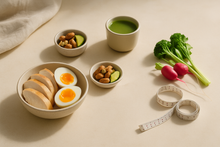
- Breakfast (Monday to Friday): 80 g porridge oats + 150 g low-fat quark = 22 g protein, roughly €0.40
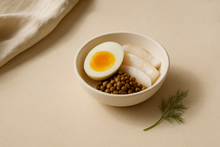
- Lunch (Monday to Friday): 2 eggs + 80 g cooked lentils + vegetables = 24 g protein, roughly €0.65
- Dinner (Monday to Friday): 150 g chicken breast + 200 g white beans + vegetables = 55 g protein, roughly €1.60
Total per day: 101 grams of protein, around €2.65 spent on protein sources. The rest of your shopping budget goes on vegetables, herbs and carbohydrate sources.
What to prep in advance
- Cook 500 g dried lentils on Sunday and portion into containers. Keeps for 4 days in the fridge.
- Bake or steam 1 kilo of chicken breast in the oven (180 degrees, 25 minutes). Divide into 150g portions.
- Hard-boil 6 eggs. Store in their shells, they'll keep for 7 days.
- Make a large batch of porridge oats (overnight oats) for 3 days.
Four jobs done on a Sunday. For the rest of the week, all you need to do is add warm vegetables or throw together a salad. No decisions needed on a hectic day, no takeaway purchases, no fresh ingredients going to waste.
For a full overview of protein-rich meal structures throughout the day, read the Bioteïne protein-rich diet guide.
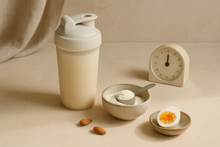
When a shake is cheaper than "real" food
This is a question people rarely ask, but it's worth asking. A protein shake has a reputation as an expensive sports product. That reputation doesn't always hold up.
Do the sums. A serving of a quality protein shake typically contains 25 grams of protein per 30-gram scoop. The cost per serving, based on a 1kg tub, works out to €1.20 to €1.80. That's 14 to 22 grams of protein per euro. Not as cheap as lentils, but comparable to tuna or chicken.
Where a shake wins out is in context: no preparation, no spoilage, no leftover bits you end up binning. A chicken breast you never got round to cooking and that spoils after three days effectively costs you more than the price on the label. A shake has no shelf-life problem on a week-to-week basis.
When it's worth it
- If you skip breakfast or you're in a rush: a shake takes 90 seconds and delivers 25 grams of protein, no pan, no washing up.
- If you haven't hit your protein target by the end of the day and you don't fancy cooking another hot meal.
- If you're travelling or working somewhere without a kitchen.
A shake isn't a long-term substitute for a proper diet. But as a top-up to a structure built on real food, it's a cost-effective tool. Take a look at Bioteïne's range of shakes for an overview of nutritional profile per serving and price.
The Bioteïne starter pack: cost per meal compared
For anyone wanting to kick off a protein-rich diet without recalculating and replanning every week, the Bioteïne starter pack is a genuine option. But you should still do the maths.
The starter pack includes a set of meals, shakes and snacks tailored to the first phase of a protein-rich diet. Protein content per meal sits between 20 and 30 grams. The cost per meal occasion, including shakes and bars, averages €2.80 to €3.20.
Compare that to a home-cooked meal built from the cheapest protein sources: €1.50 to €2.65 per occasion. The difference is €0.50 to €1.00 per meal.
What you get for that difference
- No prep time (an average of 15 minutes saved per meal, 5 meals a day = 75 minutes saved daily)
- No waste: portion sizes are exact
- Exactly known macros per portion, no guesswork
- Structure for the first few weeks, which is when most people give up
Whether it's the right choice depends on your situation. If you work from home, cook well and have the time, build it yourself using the table above. If you're busy, don't have much cooking experience, or want to think about food as little as possible for the first four weeks, the starter pack is cheaper than daily takeaways and more consistent than planning it yourself.
Check the exact contents and price per meal occasion on the Bioteïne starter pack page. You'll also find the daily calorie content and the expected protein percentage of the total daily menu there.
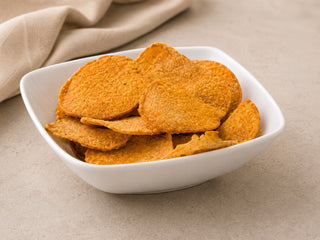
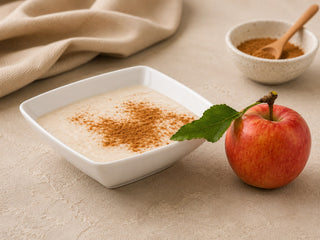
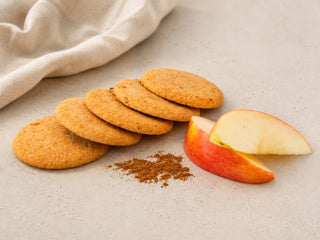
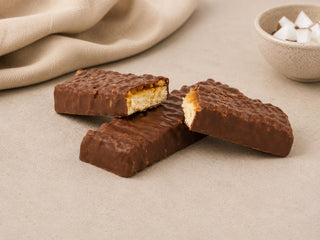
For additional products by category: protein bars, protein-rich meals, protein snacks and protein biscuits are all available separately for anyone wanting to top up an existing diet.
Research published in Obesity Reviews (Leidy et al., 2015) shows that a higher protein intake of 1.2 to 1.6 g/kg body weight per day supports satiety and helps preserve muscle mass during weight loss. Structure and consistency are the most decisive factors here, not the exact choice of product.
Frequently asked questions
How many grams of protein do I need per day if I want to lose weight?
Most guidelines suggest 1.2 to 1.6 grams of protein per kilogram of body weight per day during weight loss. For someone weighing 80 kg, that's 96 to 128 grams a day. This helps preserve muscle mass while you're in a calorie deficit.
Is cheap protein-rich food just as effective as expensive supplements?
Yes, provided the total protein content and amino acid profile stack up. Eggs, quark and pulses deliver complete proteins for a fraction of the price of expensive supplements. What matters is total daily intake, not the product itself.
Are plant-based protein sources enough for building muscle or losing weight?
Plant-based sources such as lentils, beans and edamame can be sufficient, provided you combine them. Each one on its own lacks one or more essential amino acids. Pair grains with pulses throughout the day to achieve a complete amino acid profile.
How long can I keep meal-prepped protein sources in the fridge?
Cooked chicken breast and eggs keep for 3 to 4 days in the fridge. Cooked lentils and beans keep for 4 to 5 days. Store them in sealed containers and cool them quickly after cooking. Freezing extends shelf life to 2 to 3 months.
Is a protein shake cheaper than a normal meal?
Per gram of protein, a shake is comparable to chicken breast or tuna: 14 to 22 grams of protein per euro. The real advantage lies in speed and shelf life, not necessarily price. As a top-up to a budget-friendly diet, it can be cost-effective.
What's the cheapest way to reach 100 grams of protein a day?
Combine 3 eggs (20 g protein, €0.75), 200 g low-fat quark (22 g protein, €0.44), 100 g dried lentils (25 g protein, €0.28) and 150 g chicken breast (46 g protein, €1.12). Total: 113 grams of protein for around €2.59 spent on protein sources.
Is the Bioteïne starter pack suitable if I'm on a tight budget?
The starter pack costs €2.80 to €3.20 per meal occasion. That's more than home-cooked meals, but less than a takeaway. If you want to save time and get structure in the first few weeks without any planning, it's a realistic investment with a predictable outcome.
How do I know which phase of the protein diet suits me?
That depends on your weight, how active you are and how much you want to lose. The Bioteïne phase test works out in a few minutes which approach best suits your situation, including a guideline for daily protein intake.