

Losing weight without hunger: what the science says
Losing weight without feeling constantly hungry is entirely possible, provided your protein intake is high enough. Protein triggers the release of satiety hormones such as GLP-1, PYY and CCK, suppresses the hunger hormone ghrelin, and simply takes more energy to digest than carbohydrates or fats. The result is that you eat fewer calories without having to think about it.
Anyone who has tried to lose weight will recognise the pattern: a good week, followed by a wave of intense hunger, followed by a relapse. That is not weak willpower. It is biology. The good news is that the same biological system that causes hunger can also be used to suppress it, and protein is the single most effective tool for doing so.
In this article, we explain how that mechanism works, which foods are most filling, and how to structure your meals so you can maintain a calorie deficit without constantly thinking about food. You'll also find our high-protein diet guide useful for a full overview of the science behind it.
The science of satiety: hormones and the thermic effect
Hunger is not simply a feeling that starts in your stomach. It is regulated by hormones that send signals between your digestive system and your brain, and protein has a beneficial effect on almost every one of these pathways.
CCK: the first satiety signal
Cholecystokinin (CCK) is released by cells in the small intestine as soon as protein and fat are digested. It slows gastric emptying and sends a signal to the brainstem to stop eating. A meal containing 30 grams of protein raises CCK levels significantly more than a comparable carbohydrate-based meal. Research published in The American Journal of Clinical Nutrition found that higher protein intake correlated directly with a stronger CCK response and lower calorie intake for the rest of the day.
GLP-1 and PYY: lasting fullness
Glucagon-like peptide-1 (GLP-1) and peptide YY (PYY) are also released after a protein-rich meal. Both hormones slow digestion and reinforce the feeling of fullness for several hours afterwards. GLP-1 also helps regulate blood sugar, softening the post-meal energy dip. Less of a dip means less craving for a snack.
Ghrelin: keeping the hunger hormone in check
Ghrelin is the hormone that rises when your stomach is empty and falls after eating. After a low-protein meal, ghrelin bounces back to high levels quickly. After a protein-rich meal, it stays suppressed for longer, a difference that can stretch to two hours. Two hours less hunger per meal, across three meals a day, adds up to six fewer hours of fighting cravings each day.
The thermic effect of food
Alongside hormones, the thermic effect of food (TEF) plays an important role. Your body burns energy simply to digest and process what you eat. For carbohydrates, that's 5 to 10 percent of the calories consumed. For fats, 0 to 3 percent. For protein, 20 to 35 percent. For every 100 kcal of protein you eat, your body burns 20 to 35 kcal just processing it. With a daily protein intake of 150 grams (600 kcal), that produces a net difference of 120 to 210 kcal a day, without any extra effort on your part.
A study by Weigle et al. (2005) in the American Journal of Clinical Nutrition found that participants who raised their protein intake from 15 to 30 percent of total calories spontaneously ate 441 kcal less per day, without deliberately restricting themselves.
Satiety index: which foods keep you fuller for longer
Not all calories are equally filling. The satiety index (SI), developed by researcher Susanna Holt, measures how full you feel per 240 kcal of a given food, relative to white bread (SI = 100).
| Food | Satiety Index (SI) | Protein per 100g | kcal per 100g |
|---|---|---|---|
| Boiled potato | 323 | 2g | 77 kcal |
| Fish (cooked) | 225 | 20g | 105 kcal |
| Porridge oats | 209 | 13g | 379 kcal |
| Lean meat | 176 | 22g | 120 kcal |
| Eggs | 150 | 13g | 155 kcal |
| Wholemeal bread | 132 | 9g | 247 kcal |
| White bread | 100 | 8g | 265 kcal |
| Croissant | 47 | 5g | 406 kcal |
| Chocolate bar (standard) | 37 | 5g | 535 kcal |
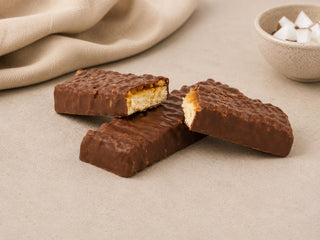
The table reveals a clear pattern: foods high in protein and relatively low in calories consistently score higher. A protein-rich snack of 200 kcal will keep you fuller for longer than a fat-rich snack with the same calorie count. That's precisely why Bioteïne protein bars and protein snacks are formulated with a high protein-to-calorie ratio.
Practical strategies for feeling less hungry while losing weight
Protein first: the order in which you eat
The order in which you eat affects your satiety hormones. Start your meal with the protein-rich component and you activate CCK and GLP-1 earlier, giving your brain more time to register "enough" before you've overeaten. In practice: start with chicken, fish, eggs or pulses, follow with vegetables, and save carbohydrates like potato or rice for last.
Fibre as your ally
Soluble fibre (found in oats, pulses and vegetables) forms a gel in the stomach and slows gastric emptying. Combine 30 grams of protein with 8 grams of soluble fibre in one meal and the satiety effect is greater than either alone. Aim for 25 to 35 grams of fibre a day alongside a protein intake of 1.6 to 2.2 grams per kilogram of body weight.
Water: the most underrated tool
A 500 ml glass of water before a meal reduces calorie intake by an average of 13 percent, according to research from the University of Birmingham. Stomach filling activates mechanical receptors that send an early satiety signal. It's no substitute for protein, but it does amplify the effect.
Structure your meals rather than snacking endlessly
Constant small amounts of food keep ghrelin active and fail to train your body to go longer without eating. Three to four set meals a day, each containing at least 25 grams of protein, are more effective for hunger control than six small snack-sized meals. Structure gives your hormone system the chance to reset.
Why crash diets cause chronic hunger
A calorie deficit of more than 700 kcal a day triggers a physiological stress response. Leptin, the hormone that regulates your energy balance, drops sharply within three to seven days, while ghrelin rises to compensate. Your resting metabolism slows down. Your body interprets the shortfall as a threat and fights back.
Crash diets of fewer than 800 kcal a day also lead to muscle loss. Less muscle mass means a lower resting metabolism, which makes maintaining a calorie deficit even harder. The Dutch Nutrition Centre recommends a maximum weight loss of 0.5 to 1 kg per week to preserve muscle mass and avoid the yo-yo effect.
A moderate deficit of 300 to 500 kcal a day, combined with a protein intake of at least 1.6 grams per kilogram of body weight, keeps hunger manageable and protects muscle mass. That's the foundation of the Bioteïne 4-phase system.
Common mistakes when trying to lose weight without hunger
Too little protein spread across the day
Many people eat enough total protein per day but concentrate it in the evening meal. However, protein synthesis and satiety depend on the amount of protein per meal. Fewer than 20 grams of protein per meal is too little for an optimal hormonal response. Spread your protein intake evenly: breakfast, lunch and dinner should each contain at least 25 to 35 grams.
Low-protein breakfasts
A breakfast of toast, jam or fruit juice provides just 5 to 8 grams of protein and a high glycaemic load. The result is a blood sugar spike, followed by a dip, followed by hunger around 10am. A protein-rich breakfast (30 grams of protein) extends the time until you next feel hungry by an average of 2.5 hours, according to research published in Obesity (Leidy et al., 2013).
Snacking on empty calories
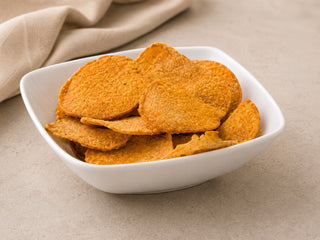
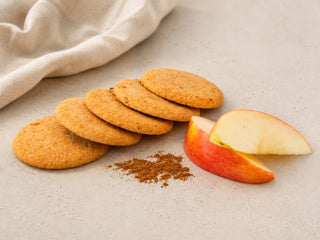
A packet of rice cakes or a handful of crackers has a low satiety index and a high calorie density relative to how full it makes you feel. Swap empty snacks for protein-rich alternatives. Browse our range of protein snacks and protein biscuits for options that fit within a calorie deficit.
Not combining fibre and protein
Protein alone is effective. Protein combined with soluble fibre is more effective still. A shake with 30 grams of protein and no fibre works differently to the same shake paired with psyllium fibre or vegetables. Always add a fibre-rich component to every meal.
How the Bioteïne phase system keeps hunger low
The Bioteïne 4-phase system is built around one principle: your protein needs should be met at every point in the day, so your hormonal satiety system stays switched on. Each phase has a different calorie level, but protein density stays high throughout, at a minimum of 1.8 grams per kilogram of body weight per day.
In the more intensive phases (phase 1 and 2), complete protein meals and protein shakes replace one or more regular meals. This guarantees the right macro balance without you having to calculate or weigh anything yourself. In phases 3 and 4, ordinary meals are gradually reintroduced, while protein-rich snacks and bars fill the gaps in between.
Want to know which phase is the right starting point for you? Take the phase test for personalised advice based on your weight, goal and lifestyle, or browse the starter pack for a ready-to-go starting point.
The British Dietetic Association (BDA) confirms that a protein intake above 1.6 grams per kilogram of body weight significantly limits muscle loss during a calorie deficit and helps make a diet more sustainable.
Losing weight without hunger is not a marketing promise. It is a physiologically achievable result, provided your protein intake is high enough, your meals are well distributed, and your calorie deficit stays within a manageable range. Read more about the science and structure behind it in the full high-protein diet guide.
Frequently asked questions
How much protein do I need to feel less hungry while losing weight?
Most studies point to a protein intake of 1.6 to 2.2 grams per kilogram of body weight per day as optimal during a calorie deficit. For someone weighing 75 kg, that works out to 120 to 165 grams of protein a day, spread across three to four meals of at least 25 grams each.
Why am I hungrier when I eat less protein?
A low protein intake results in reduced release of satiety hormones such as GLP-1 and PYY, and a faster rebound of ghrelin to high levels. Your body sends out hunger signals sooner, even if total calorie intake is the same as on a higher-protein diet.
Can I lose weight without feeling hungry?
Yes, this is achievable when your protein intake is high enough, your meals contain sufficient fibre, and your calorie deficit is moderate (300 to 500 kcal a day). Too large a deficit triggers compensatory hunger via the leptin-ghrelin system, making it harder to stick with.
Does drinking water really help with hunger?
Partly. A 500 ml glass of water before a meal reduces calorie intake by an average of 13 percent through mechanical stomach filling. It's no substitute for protein or fibre, but it does strengthen the satiety effect when paired with a protein-rich meal.
What is the thermic effect of protein and why does it matter?
The thermic effect of protein is 20 to 35 percent, meaning your body burns a significant share of protein calories simply through digestion. With a daily protein intake of 150 grams (600 kcal), that produces a net benefit of 120 to 210 kcal a day without any extra effort.
Why do crash diets backfire when it comes to hunger?
With a calorie deficit greater than 700 kcal a day, leptin drops quickly, ghrelin rises to compensate, and your resting metabolism slows. Muscle loss also occurs when protein intake is insufficient, which permanently lowers resting metabolism. A moderate deficit with a high protein content is more effective in the long run.
Are protein snacks more effective than regular snacks for weight loss?
Yes, provided they contain at least 10 to 15 grams of protein. Protein-rich snacks activate CCK and extend the time until you next feel hungry. Snacks based on carbohydrates and fats with little protein have a low satiety index and lead to overeating later in the day more quickly.
In which phase of the Bioteïne system is hunger strongest?
Phase 1 involves the largest calorie deficit and can bring on adjustment-related hunger during the first three to five days. This settles as ghrelin adapts to the new eating rhythm. The high protein density in phase 1 significantly limits this hunger compared with conventional calorie restriction without extra protein.