
How much protein is in quark?
Low-fat quark contains, on average, 10 to 11 grams of protein per 100 grams. That makes it one of the most protein-dense dairy products available in an ordinary supermarket. A 200-gram portion already gives you 20 to 22 grams of protein, for just 90 to 100 kilocalories. Filling, affordable and versatile.
Overview: protein content by type of quark
Not all quark is created equal. Fat and protein content vary considerably between varieties. The table below sets out the most useful comparison, per 100 grams of product.
| Type | Protein (g) | Fat (g) | kcal |
|---|---|---|---|
| Low-fat quark (0% fat) | 10.5 | 0.2 | 57 |
| Semi-skimmed quark | 9.5 | 5.0 | 88 |
| Full-fat quark | 8.5 | 11.0 | 136 |
| Skyr (0% fat) | 11.0 | 0.2 | 63 |
| Greek yoghurt (10% fat) | 6.5 | 10.0 | 120 |
| Standard full-fat yoghurt | 3.5 | 3.5 | 61 |
Sources: the Voedingscentrum (the Dutch national nutrition centre), brand-independent average based on product labelling, 2024.
The conclusion is straightforward. If you want to maximise protein while keeping calories in check, low-fat quark or Skyr is the most efficient choice. Full-fat quark gives you noticeably less protein per calorie. That's no reason to avoid it altogether, but it's worth factoring in if you're maintaining a calorie deficit.
Why quark works for weight loss
It isn't only about the grams of protein on the label. It's about which type of protein quark delivers: predominantly casein. Casein is a slow-digesting protein. Where whey protein is absorbed within 60 to 90 minutes, casein can spend four to seven hours breaking down in the stomach. That translates directly into a longer-lasting feeling of fullness.
Research published in the American Journal of Clinical Nutrition shows that higher protein intake boosts production of satiety hormones such as GLP-1 and PYY, while lowering the hunger hormone ghrelin. Quark as an evening snack therefore offers a double benefit: it curbs night-time hunger and slowly feeds amino acids to your muscles while you sleep.
The maths is simple. Swap your daily evening snack of 200 grams of crisps (roughly 1,060 kcal) for 200 grams of low-fat quark with some fruit (roughly 120 kcal) and you save around 940 kilocalories a week. Without going hungry. That's not a marginal difference.
Want to know exactly how much protein you need, based on your weight and goal? The Bioteïne phase test works it out in three minutes.
Casein versus whey: what's the difference for weight loss?
Whey protein (from whey) is quickly available, which makes it valuable straight after a workout. Casein (from quark) is slow, which makes it valuable as part of a meal during the day, or as a late snack. Both have their place. Quark isn't a substitute for a post-gym shake, but as a snack or breakfast component it performs brilliantly.
Quark versus yoghurt versus Skyr
These three products are often confused with one another. They're related, but not identical. The production process is what sets them apart.
Quark is made by fermenting milk and draining off the excess liquid (whey). The more whey that's removed, the thicker and more protein-rich the finished product. Skyr follows the same principle but is strained even further. Greek yoghurt is strained too, though less intensively than Skyr.
| Product | Protein per 100g | Texture | Taste | kcal per 100g |
|---|---|---|---|---|
| Low-fat quark | 10.5g | Creamy, lightly tangy | Mildly sour | 57 |
| Skyr | 11.0g | Thicker, firmer | Slightly milder | 63 |
| Greek yoghurt (0%) | 6.5g | Creamy | Lighter tang | 57 |
| Standard yoghurt (0%) | 3.5g | Runny | Fresh, light | 35 |
Standard yoghurt is the least protein-rich per 100 grams. If protein density is your main concern, Skyr is the better choice. Quark is a close second and is usually cheaper. Greek yoghurt is perfectly good, but delivers less protein per calorie than quark or Skyr.
For more on how to build dairy into a structured eating plan, see the Bioteïne high-protein diet guide.
Additions that undo the good work
Quark has an excellent nutritional profile on its own. The trouble lies in what people add to it.
- Fruit quark (shop-bought): often contains 10 to 14 grams of sugar per 100 grams. Protein content can drop as low as 7 grams. Check the label.
- Granola: 50 grams of granola quickly adds 200 kilocalories and 20 grams of sugar. For most people, that's more than a third of the calorie budget for the whole meal.
- Honey (heavy-handed): a tablespoon of honey (21g) contains 64 kilocalories and 17 grams of sugar. A light drizzle is fine, but be honest about the portion.
- Ready-made quark desserts: these look like quark but are often heavily diluted with cream or gelatine, with protein content dropping below 5 grams per 100 grams.
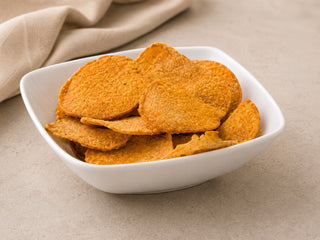
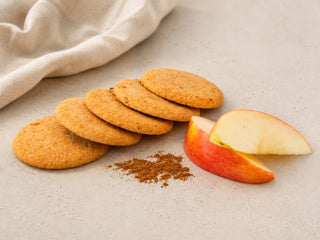
Skip the flavoured varieties if protein intake is your goal. Choose plain low-fat quark and add your own extras: fresh berries (low in sugar, high in fibre), a tablespoon of pumpkin seeds, or a portion of Bioteïne's high-protein biscuits if you fancy something crunchy without the sugar hit.
The British Dietetic Association points out that the wider context of your diet determines whether high-protein foods are genuinely effective. Surround a good source with unhealthy additions and you cancel out the benefit.
High-protein quark recipes
Quark is a functional food. It works best when you pair it with something that suits your eating pattern. Below are four practical combinations with their nutritional breakdown.
1. Quark breakfast with berries and linseed
- 200g low-fat quark: 21g protein, 114 kcal
- 100g blueberries: 0.7g protein, 57 kcal
- 1 tbsp linseed (10g): 1.8g protein, 53 kcal
Total: 23.5g protein, 224 kcal. Quick to prepare, no cooking required, keeps you full for four hours.
2. Savoury quark as a lunchtime dip
- 150g low-fat quark: 15.7g protein, 85 kcal
- Half a cucumber, sliced
- A pinch of salt, garlic powder, fresh dill
Total: roughly 17g protein, roughly 110 kcal. Also works as a dip for raw vegetables or a spread on a rice cake.
3. Quark smoothie after exercise
- 150g low-fat quark: 15.7g protein
- 1 small banana (90g): 1g protein, 78 kcal
- 150ml unsweetened almond milk: 0.6g protein, 21 kcal
Total: 17.3g protein, roughly 200 kcal. This makes for a reasonable recovery option. Bear in mind that casein is absorbed more slowly than whey, so after an intense workout, a whey-based shake might serve you better. Have a look at the Bioteïne shakes range.
4. Evening snack: quark with cocoa powder
- 200g low-fat quark: 21g protein, 114 kcal
- 1 tsp unsweetened cocoa powder (5g): 1g protein, 14 kcal
- Optional: 5 drops of liquid stevia
Total: 22g protein, 128 kcal. This is an evening snack that effectively takes the edge off hunger pangs after 10pm, without eating into your calorie budget.
When is a protein shake or pudding a better choice than quark?
Quark is good. It isn't always the best option. There are situations where a formulated protein product makes more sense.
Take the morning. You've got twenty minutes, you're not particularly hungry, but you know you need thirty grams of protein before midday to prevent muscle loss during a calorie deficit. A 200-gram portion of quark gives you twenty grams. You'll need something else on top, or a larger portion you might not fancy. A ready-made protein shake from Bioteïne delivers 25 to 30 grams of protein in 250ml, with zero preparation.
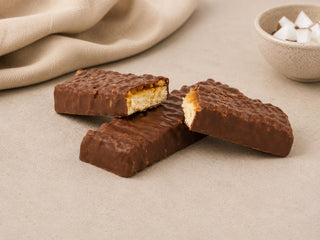
Another scenario: you're out and about, there's no fridge in sight, and lunch is three hours away. Quark doesn't travel well in a bag. A protein bar or a protein snack from Bioteïne fits in a coat pocket and won't spoil.
Finally, if you consistently miss your protein target on a given day, that's got nothing to do with quark. It's a planning issue. The Bioteïne 4-phase system helps you structure your day so your protein moments stay consistent, whatever the situation.
Research published in Nutrition & Metabolism (Layman et al., 2015) shows that spreading protein intake evenly across the day, rather than loading up in the evening, leads to better preservation of muscle mass during weight loss. Quark helps with this, but it needs to be part of a broader pattern.
Read more about building that daily structure in the Bioteïne high-protein diet guide.
Frequently asked questions
How much protein is in 100 grams of low-fat quark?
Low-fat quark contains, on average, 10 to 11 grams of protein per 100 grams. The exact figure varies slightly between brands. With 200 grams of quark, a normal portion, you'll get 20 to 22 grams of protein for just 90 to 115 kilocalories. An efficient protein source for anyone watching their calories.
Is eating quark good for weight loss?
Quark is predominantly made up of casein protein, which digests slowly and keeps you full for four to seven hours. That helps reduce hunger pangs and makes it easier to stick to a calorie deficit. Pair quark with fresh vegetables or fruit to round out the meal.
Which has more protein: quark or Skyr?
Skyr contains, on average, 11 grams of protein per 100 grams, versus roughly 10.5 grams for quark. The difference is small, less than 5 per cent. Both are excellent choices. Skyr has a slightly firmer texture. Quark is usually cheaper. Choose based on taste preference rather than marginal protein differences.
How much quark should you eat per day to get enough protein?
That depends on your overall protein target. As a rule of thumb, 1.2 to 1.6 grams of protein per kilogram of body weight per day is recommended during active weight loss (BDA guidance). At 70 kilograms, that's 84 to 112 grams of protein. Quark can cover part of that, topped up with other sources.
Can you eat quark as an evening snack while losing weight?
Quark works well as an evening snack. Casein is absorbed slowly, including while you sleep, which helps limit muscle loss overnight. A portion of 150 to 200 grams provides 15 to 21 grams of protein for under 115 kilocalories. That's more effective than most other evening snacks.
What's the protein difference between quark and Greek yoghurt?
Low-fat quark contains roughly 10.5 grams of protein per 100 grams. Low-fat Greek yoghurt contains, on average, 6 to 7 grams. Quark clearly wins on protein density. Greek yoghurt has a creamier taste and a slightly softer texture. If you want maximum protein per calorie, go for quark or Skyr.
Which additions to quark should you avoid when losing weight?
Avoid shop-bought fruit quark with added sugars, granola with high sugar content, and generous portions of honey. Also skip quark desserts that contain more cream than quark. Choose plain low-fat quark with fresh berries, a small handful of nuts, or a protein-rich snack as your addition.
When is a protein shake better than quark?
If you're out and about without a fridge, need protein quickly after an intense workout, or you're not hitting your daily protein target through solid food, a formulated shake is more practical. Shakes deliver 25 to 30 grams of protein per serving with no preparation needed. Browse the range via the Bioteïne shake collection.