
How much protein is in chicken?
Chicken breast contains around 31 grams of protein per 100 grams cooked, with just 3 grams of fat and roughly 165 kcal. That makes it one of the most efficient protein sources you'll find in an everyday diet. Raw, the protein content is slightly lower, around 22 to 24 grams per 100 grams, because water evaporates during cooking.
But "chicken" isn't one uniform category. A chicken breast behaves quite differently from a thigh or a wing, and the cooking method makes a bigger difference than most people expect. Below you'll find the exact figures, broken down by cut and by cooking method.
Protein by chicken cut: the numbers
Not every part of the chicken delivers the same amount of protein. The difference largely comes down to fat content: more fat means less room for protein per 100 grams. The table below shows values for boiled or grilled meat, skin removed.
| Chicken cut | Protein (per 100g) | Fat (per 100g) | kcal (per 100g) |
|---|---|---|---|
| Chicken breast, grilled | 31g | 3g | 165 kcal |
| Chicken thigh, skinless, pan-fried | 26g | 9g | 190 kcal |
| Chicken wing, skinless, grilled | 27g | 8g | 185 kcal |
| Chicken breast, raw | 23g | 2g | 110 kcal |
| Chicken thigh, raw, skinless | 17g | 7g | 130 kcal |
| Chicken drumstick, boiled, skinless | 28g | 5g | 162 kcal |
Sources: Voedingscentrum.nl, NEVO food composition table 2023.
Chicken breast comes out on top for protein per calorie. Thigh meat delivers a few grams less protein, but the flavour is richer thanks to the higher fat content. If you're purely optimising for efficiency, breast is the better choice. If taste and satiety matter to you too, thigh is a perfectly reasonable trade-off.
What cooking does to protein and calories
The cooking method itself barely changes the protein content. Protein is heat-stable in the sense that it doesn't disappear when heated, it simply denatures (the structure changes). What does change is the weight, and therefore the protein concentration per 100 grams.
A raw 150-gram chicken breast shrinks to roughly 110 grams once grilled. The total amount of protein stays the same, but the concentration per 100 grams rises. So always work with the weight after cooking, or use a raw-weight table consistently. Either approach works, just don't mix the two.
| Cooking method | Protein (per 100g) | kcal (per 100g) | Note |
|---|---|---|---|
| Grilled (no added fat) | 31g | 165 kcal | Lowest calorie value |
| Pan-fried in oil | 29g | 215 kcal | +50 kcal from absorbed fat |
| Boiled in water | 30g | 155 kcal | Slightly lower kcal, softer texture |
| Breaded and deep-fried | 20g | 290 kcal | Heavily diluted by the coating and oil |
| Air-fried, no oil | 31g | 168 kcal | Comparable to grilling |
Breaded chicken is the worst-case scenario. The coating dilutes the protein share and nearly doubles the calorie count per portion. If you're eating chicken nuggets and telling yourself you're "just eating chicken", that's not quite accurate. The difference is too large to ignore.
Chicken versus other protein sources
Chicken performs well, but it isn't automatically the winner. Depending on your overall diet, taste preferences and budget, there are better and worse alternatives.
| Protein source | Protein (per 100g) | Fat (per 100g) | kcal (per 100g) |
|---|---|---|---|
| Chicken breast, grilled | 31g | 3g | 165 kcal |
| Beef (lean) | 28g | 7g | 185 kcal |
| Salmon, pan-fried | 25g | 14g | 240 kcal |
| Tuna in water | 26g | 1g | 116 kcal |
| Quark (low-fat) | 11g | 0g | 57 kcal |
| Eggs | 13g | 10g | 155 kcal |
| Tempeh | 19g | 11g | 193 kcal |
Tuna in water is the only source that comes close to chicken on protein density, and at fewer calories. Salmon delivers less protein but provides omega-3 fatty acids that chicken doesn't offer. Nutritionally, rotating between these sources is preferable to eating chicken exclusively, every meal, every day.
How much chicken do you need for your protein target?
Most protein guidelines for weight loss sit between 1.2 and 1.6 grams of protein per kilogram of body weight per day. People training to build or preserve muscle while in a calorie deficit tend to sit closer to 1.6 to 2.0 grams per kilogram. This lines up with what the British Dietetic Association recommends for adults managing their weight.
Say you weigh 80 kilograms and are aiming for 120 grams of protein a day. Two meals of 150 grams of grilled chicken breast each (roughly 93 grams of protein combined) already form a solid base. The remaining 27 grams can come from yoghurt, eggs or a protein shake.
| Body weight | Protein target (1.4g/kg) | Chicken needed (grilled) | kcal from chicken alone |
|---|---|---|---|
| 60kg | 84g protein | 271g | approx. 447 kcal |
| 75kg | 105g protein | 339g | approx. 559 kcal |
| 90kg | 126g protein | 406g | approx. 669 kcal |
Chicken alone can cover your protein needs, but it's impractical. Eating more than 300 grams of chicken breast a day demands serious meal prep and a strong tolerance for repetition. The smarter approach is combining chicken with other sources, protein products included, so you get more variety without blowing your daily total.
For more on calculating your personal protein requirements, see the Bioteïne high-protein diet guide.
Does chicken work in a weight-loss diet?
Chicken fits well into a calorie-controlled diet, but not automatically. The reason chicken is so popular for weight loss comes down to satiety per calorie. Protein scores higher on satiety than carbohydrates or fat, and chicken breast delivers that protein at a low calorie cost. That's the mechanical explanation, not a marketing claim.
Research published in The American Journal of Clinical Nutrition shows that diets with 25 to 30% of total calories coming from protein lead to significantly less hunger and spontaneously lower food intake throughout the day. Chicken fits that pattern, but it's the protein content doing the work, not chicken as some kind of magic food.
A practical observation: people who eat the same thing every day eventually stop. Three weeks of chicken, twice a day, and most people slip back into old habits. Build in variety from the start. Rotate chicken breast with other sources and build meals you'll still want to eat on day 30.
The Bioteïne 4-phase system was specifically designed to structure that variety over a longer period. Not to replace chicken, but to stop you from falling off track after week three.
Vegetarian and practical alternatives when chicken isn't enough
Eating chicken isn't an option for everyone. Vegetarians, vegans, or people who simply don't want meat every day need good alternatives that come close to the same protein profile.
Tempeh, edamame and tofu are plant-based, but deliver less protein per 100 grams than chicken breast. The quality of the protein also differs: plant sources sometimes lack certain essential amino acids or contain them in lower ratios. That's solvable by combining foods, but it takes more planning.
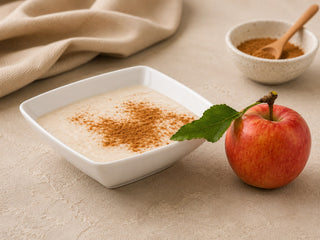
A quicker fix: protein shakes and meal replacements with a complete amino acid profile. Not a substitute for a varied diet, but an effective top-up when your protein target isn't achievable through food alone. The Bioteïne protein shakes deliver an average of 25 grams of protein per serving, at around 200 kcal. The Bioteïne meals are designed to replace a full meal with a controlled protein content.
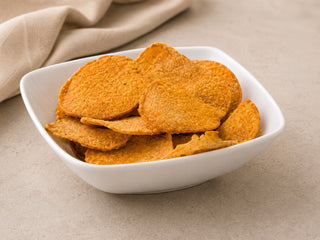
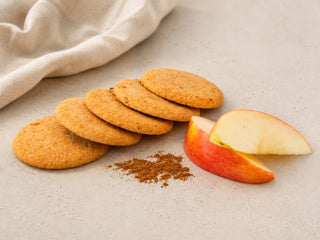
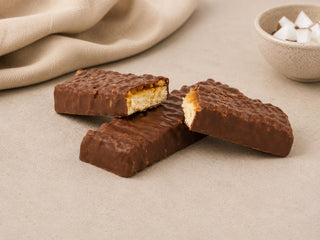
For snacking without cutting into your protein intake, the Bioteïne protein bars and Bioteïne protein biscuits work well between meals. Not a replacement for real food, but a controlled top-up for moments when cooking chicken isn't practical.
Want to know which products suit your current phase? The Bioteïne phase test gives you concrete advice in under two minutes.
Frequently asked questions
How much protein is in 100 grams of chicken breast?
Grilled or boiled chicken breast contains around 31 grams of protein per 100 grams. Raw, that figure is lower, around 22 to 23 grams, because the weight drops when heated due to moisture loss. Always use the same reference point, raw or cooked, not a mix of both.
Is chicken the best protein source for weight loss?
Chicken breast has a very favourable protein-to-calorie ratio, comparable to tuna in water. Whether it's the "best" source depends on your overall diet, taste preferences and variety. Eating only chicken works on paper, but is hard to sustain long-term.
How much chicken do I need per day if I weigh 80 kilos?
With a protein target of 1.4 grams per kilogram of body weight, an 80kg person needs roughly 112 grams of protein a day. That's around 360 grams of grilled chicken breast. In practice, you'd get some of that from other sources to keep things varied.
Do you lose protein by cooking chicken for a long time?
Protein content doesn't change significantly with normal boiling or grilling. Protein denatures under heat but doesn't disappear. What does change is texture and weight. Prolonged cooking at high heat dries chicken out, but the total protein per portion stays roughly the same.
Does chicken skin have a big impact on fat and calorie content?
Yes. Chicken skin significantly raises fat content, sometimes by 5 to 8 grams extra per 100 grams. That's roughly 45 to 70 extra calories. On a calorie-controlled diet, it's sensible to remove the skin, especially if you're eating chicken across multiple meals a day.
What are good vegetarian alternatives to chicken as a protein source?
Tempeh (19g protein per 100g), edamame (11g) and firm tofu (8 to 12g) are all useful plant-based options. They contain less protein per 100 grams than chicken breast. Topping up with a protein shake or high-protein meal replacement is a practical way to close the gap.
Can I combine chicken with Bioteïne products in a diet?
Yes. Chicken covers part of your daily protein needs. Bioteïne products are meant to complement meals, not replace whole food entirely. A chicken meal at lunch combined with a Bioteïne shake or meal replacement in the evening gives you a structured, achievable daily routine.
Does it matter whether I choose chicken breast or thigh on a protein diet?
Chicken breast contains more protein per 100 grams and less fat. Thigh delivers slightly less protein but more flavour and satiety thanks to the higher fat content. Both fit within a protein diet. The 5-gram protein difference per 100 grams matters if you're tracking closely, but it's no reason to avoid thigh entirely.