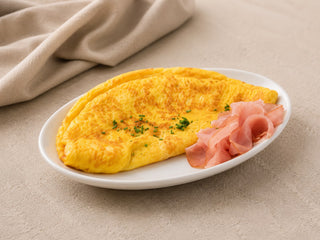

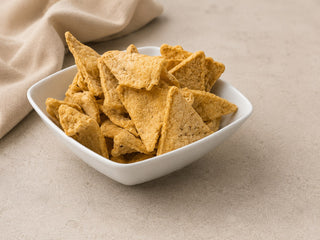
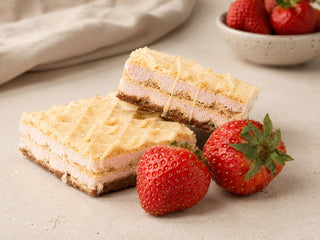
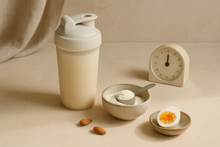

What is Phase 1 Power Start and how does it work?
Phase 1 Power Start is the intensive kick-off phase of the Bioteïne 4-phase system. Over 14 days you eat a minimum of 100 grams of protein daily on a calorie intake of 800 to 1000 kcal. The goal is to jump-start fat burning, preserve muscle mass and deliver measurable results within a fortnight.
Fourteen days doesn't sound like much, but for most people this is the toughest and most decisive stretch of the entire programme. Get Phase 1 right and you lay a foundation the rest of the system builds on. Half-hearted effort here tends to show up in Phases 2 and 3.
This article walks through exactly what Phase 1 involves, why it's structured the way it is, what you'll eat day to day, and which mistakes are worth avoiding. By the end, you'll know precisely what to expect.
The basics: what sets Phase 1 apart from an ordinary crash diet?
A calorie ceiling of 800 to 1000 kcal a day sounds strict. It is. But what separates Phase 1 from a run-of-the-mill crash diet is protein density. Most crash diets strip away both fat and muscle tissue; Phase 1 is specifically designed to keep that muscle loss to a minimum.
The mechanism behind this is well documented. Research published in the American Journal of Clinical Nutrition shows that a high protein intake during calorie restriction allows the body to lose fat mass while largely preserving lean mass. This process is known as "body recomposition" and is exactly why the protein threshold in Phase 1 isn't up for negotiation.
100 grams of protein on 800-1000 kcal works out to roughly 40 to 50 per cent of your total calorie intake, considerably higher than the 15 to 25 per cent most people are used to. The Dutch Nutrition Centre (Voedingscentrum) sets 0.8 grams of protein per kilogram of body weight as its baseline guideline. In Phase 1, 100 grams for someone weighing 80 kg already equates to 1.25 grams per kilogram, comfortably within the clinically supported range for supervised weight loss.
The structure of a day in Phase 1
Phase 1 runs on a fixed eating rhythm: five eating moments a day, made up of three main meals and two snacks. This spacing is deliberate. Eating more frequently keeps blood sugar steadier, curbs hunger and helps optimise protein absorption per meal. The body processes protein more efficiently in portions of 20 to 40 grams than in one large hit.
A sample day in Phase 1
| Time | Meal | Protein (g) | kcal |
|---|---|---|---|
| 07:30 | Protein shake | 25 | 170 |
| 10:30 | Protein bar or biscuit | 20 | 180 |
| 13:00 | Protein meal (soup or pasta) | 25 | 250 |
| 16:00 | Protein snack | 15 | 120 |
| 19:00 | Protein meal (hot dinner) | 20 | 250 |
| Total | 105 g | 970 kcal |
Think of this as a guideline rather than a rigid rule. If your working day starts at noon, shift everything by ninety minutes. What shouldn't shift is the five eating moments themselves and the overall protein target.
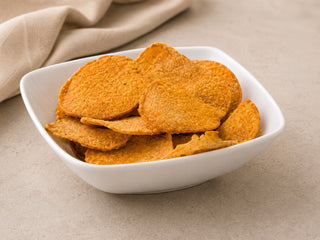
The Bioteïne starter packs are put together around exactly this daily schedule. Each pack contains enough products for 14 days, spread across all five eating moments.
Why 14 days and not 7 or 21?
A fortnight isn't a random figure. Metabolic research shows the body starts adapting to consistent calorie restriction after 10 to 14 days. Staying in this phase any longer raises the risk of a lowered basal metabolic rate. Any shorter, say 7 days, and there simply isn't enough time to kick-start fat burning properly or measure steady weight loss.
Fourteen days is also psychologically manageable. A full month on 800 kcal feels insurmountable to most people. Two weeks is concrete, finite and easy to picture the end of. That matters hugely for sticking with it, and sticking with it is everything.
What sort of results can you expect? Most people report losing 3 to 5 kilograms during Phase 1. Some of that is fluid, particularly in the first three to four days. Genuine fat burning tends to kick in after day 5. By the end of the fortnight, most people have lost 2 to 3 kilograms of fat mass and notice a real difference in how their clothes fit.
What can and can't you eat in Phase 1?
Phase 1 is a structured protein phase. That means eating from the Bioteïne product range plus a limited number of additional foods. This structure isn't restriction for its own sake, it's clinical precision.
Allowed in Phase 1
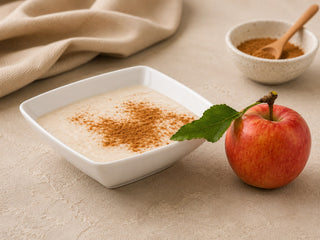
- All Bioteïne protein shakes (averaging 25 g protein per serving)
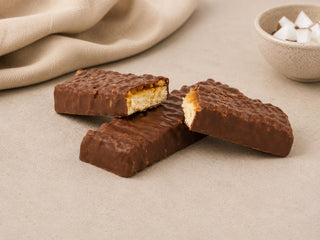
- All protein bars (averaging 20 g protein, max 200 kcal)
- All protein meals (soups, pasta, risotto)
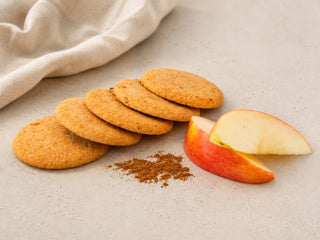
- All protein biscuits and protein snacks
- Vegetables with fewer than 5 g carbohydrates per 100 g: spinach, courgette, cucumber, broccoli, lettuce, tomato
- Water, black coffee, unsweetened tea and stock (max 1 stock cube a day)
- A maximum of 1 tablespoon of olive oil daily for cooking
Best avoided during Phase 1
- Fruit (too much fructose, which disrupts the ketogenic run-up)
- Dairy outside of Bioteïne products (hidden calories, inconsistent protein content)
- Bread, rice, pasta, potatoes
- Alcohol (7 kcal per gram, no nutritional value, raises the hunger hormone ghrelin)
- Sauces, dressings and nuts (energy-dense and hard to portion accurately)
Yes, skip fruit in Phase 1, even though it seems like the healthy choice. In a calorie-restricted setting, fructose triggers a blood sugar swing that ramps up hunger, working against you. Fruit makes its return in Phase 3.
Protein's role in fat burning: what's happening physiologically
Eating under 1000 kcal a day creates a shortfall the body has to make up somewhere. The question is whether that comes from fat or from muscle. Protein steers that process towards fat.
A high protein intake raises thermogenesis, the energy your body spends on digestion. Protein has a thermic effect of 20 to 30 per cent, compared with 5 to 10 per cent for carbohydrates and just 0 to 3 per cent for fat. On 100 grams of protein a day, that means burning an extra 80 to 120 kcal through digestion alone.
Protein also slows the breakdown of muscle tissue via protein synthesis. The British Dietetic Association (BDA) confirms that a protein intake of at least 1.2 grams per kilogram of body weight during energy restriction protects muscle mass. For someone weighing 90 kg, that's 108 grams a day, close to or above the 100-gram threshold set in Phase 1 for most people.
To see how Phase 1 fits into the wider system, take a look at the full breakdown on the 4-phase system page.
Practical hurdles and how to solve them
Most people grasp the theory by day one. Practice is another matter. Here are the most common stumbling blocks in Phase 1, along with straightforward fixes.
Evening hunger
This is the most commonly reported issue. Most people are used to a hot meal of 600 to 800 kcal, so a 250-kcal Bioteïne meal replacement can initially feel like too little. Fix: add 150 to 200 grams of steamed broccoli or courgette to your evening meal. This adds bulk and satiety without derailing your calorie budget. Broccoli only adds around 70 kcal and 6 grams of extra protein per 200 grams.
Social pressure around food
A birthday on day 6. A business lunch on day 9. These are the moments most people abandon Phase 1. Prepare yourself mentally beforehand: order water, or simply say you're testing how you respond to certain foods. You don't owe anyone a lengthy explanation. Two weeks is entirely doable with a bit of forward planning.
Fatigue in the first week
Days 2 to 5 are often the hardest. The body is switching from carbohydrates to fatty acids as its main fuel source, and that transition takes some adjusting to. Mild dizziness, headaches or reduced concentration are normal side effects. Drink plenty of water (at least 2 litres a day), add a stock cube for sodium if needed, and avoid intense training during this window. Most symptoms settle down after day 5.
The scales won't budge after day 3
Weekly fluctuations are completely normal. The body temporarily holds onto more fluid in response to muscle recovery or stress. Don't weigh yourself daily, instead weigh in on the same day each week, ideally first thing in the morning after using the toilet. What matters is the trend over 14 days, not the daily blip.
Exercise during Phase 1: yes or no?
Intense training on 800 kcal a day simply doesn't work. That's not an opinion, it's basic energy economics. Your body doesn't have enough fuel for high-intensity exercise and recovery at the same time.
What does work: a daily 30 to 45-minute walk. Walking at a moderate pace (5 to 6 km/h) burns an extra 150 to 200 kcal and stimulates fat burning without overloading recovery. Light, low-load strength work (bodyweight exercises or light weights) is fine, but keep sessions to 30 minutes and steer clear of anything intense enough to cause DOMS.
Intense exercise during Phase 1 raises cortisol levels, which encourages fat storage around the abdomen and increases hunger. Neither is helpful here. Phases 3 and 4 are the right time to train more seriously.
How do you know if Phase 1 is the right starting point for you?
Phase 1 isn't necessarily everyone's first step. It's the most intensive phase, aimed at people who want quick results and need a clear kickstart. If you already eat reasonably well and want to lose less than 10 kilograms, Phase 2 might be the better starting point.
Take the Bioteïne phase test if you're not sure. It looks at your current eating pattern, your weight goal and your lifestyle, and gives you a concrete recommendation on where to start.
Phase 1 isn't suitable during pregnancy or breastfeeding, with type 1 diabetes, serious kidney problems, or a BMI under 18.5. If in doubt, always check with your GP or a dietitian. A high-protein diet combined with certain medications, particularly metformin or blood pressure medication, may require a dosage adjustment. You'll find more background in the full high-protein diet guide.
What comes after Phase 1?
After 14 days of Power Start, you move into Phase 2, called "Transition", which typically lasts 2 to 4 weeks. Calorie intake rises to 1100 to 1300 kcal, food variety expands, and you'll gradually introduce more "whole food" protein sources such as chicken, fish and cottage cheese.
The logic is progressive build-up. Phase 1 trains your body and mind around structure and protein priority. Phases 2 and 3 build on that foundation. Phase 4 is the maintenance stage, an eating pattern designed to last a lifetime.
Anyone who sees Phase 1 through with discipline tends to find Phase 2 feels more varied than expected. That contrast, from strict to relatively flexible, is a deliberate part of the system's design. See the full structure on the 4-phase system page.
Frequently asked questions
How much weight will I lose in Phase 1?
Most people lose between 3 and 5 kilograms over 14 days. The first 1 to 2 kilograms are largely fluid loss. Genuine fat burning tends to start around day 4 or 5. On average, you'll lose 2 to 3 kilograms of fat mass over the fortnight, depending on your starting weight and how closely you follow the schedule.
Can I drink coffee during Phase 1?
Yes, black coffee without sugar or milk is fine. Caffeine has no significant effect on calorie intake and may give fat burning a small boost. Don't add milk, plant-based drinks or sugar. An espresso or filter coffee slots neatly into the Phase 1 daily schedule.
What if I haven't reached my goal after 14 days?
Repeating Phase 1 generally isn't the right move. Move on to Phase 2 and reassess your progress after four weeks. Staying on 800 to 1000 kcal for longer than 14 consecutive days raises the risk of metabolic adaptation, which can hinder weight loss over the longer term. Stick to the phase rhythm.
Can I manage Phase 1 while working full-time?
Yes, but preparation is essential. Get your shake and snacks ready the night before. Take your meals with you. The people who struggle with Phase 1 are usually the ones improvising on the day. Five minutes of prep each evening is enough to keep the next day on track.
Am I allowed to exercise during Phase 1?
Light activity is fine and recommended: a 30 to 45-minute walk daily. Intense training such as HIIT, heavy strength work or endurance sport isn't advised. On 800 to 1000 kcal, your body simply doesn't have enough energy for intensive recovery. Start training more seriously from Phase 3 onwards.
Will I get enough nutrients on 800-1000 kcal?
Bioteïne products are fortified with vitamins and minerals, so micronutrient levels are maintained even at a low calorie intake. An additional multivitamin supplement is recommended as extra insurance. A standard low-calorie diet without fortified products at 800 kcal would typically fall short.
How do I know whether to start in Phase 1 or Phase 2?
It depends on your starting weight, your goal and your current eating pattern. Want to lose more than 15 kilograms and looking for a fast, structured start? Phase 1 is the logical choice. Not sure? Take the Bioteïne phase test. It gives you a concrete recommendation in five minutes.
What do I do if I slip up one day during Phase 1?
Don't start over from day 1. Simply carry on with the schedule the next day. One deviation of 300 to 400 kcal won't meaningfully change your result over 14 days. What matters is the average across the whole phase, not perfection on any single day.