
The Top 10 Highest-Protein Foods
Not every food delivers the same amount of protein per gram. If you're serious about boosting your protein intake, it makes sense to start with the front-runners. The list below shows the ten foods with the highest protein content per 100 grams, based on standardised nutritional databases.
- Wheat gluten (seitan, raw)75g protein per 100g
- Dried spirulina57g protein per 100g
- Parmesan (grated, dried)38g protein per 100g
- Pumpkin seeds (dried)30g protein per 100g
- Tuna (canned, in water)29g protein per 100g
- Chicken breast (grilled, skinless)31g protein per 100g
- Low-fat quark11g protein per 100g (12-13g for the strained variety)
- Dried lentils25g protein per 100g
- Edamame (dried)35g protein per 100g
- Mature cheddar25g protein per 100g
This top ten gives you a first impression, but the full high-protein foods list below offers far more context: calorie density, biological availability and practical tips for putting these foods to use.
The nutrition authorities recommend that adults consume at least 0.8g of protein per kilogram of body weight per day. During weight loss, ageing or intensive sports training, this requirement rises to 1.2-1.6g per kilogram.
Animal Proteins: Full Table of 20 Foods
Animal proteins generally contain all the essential amino acids in a ratio the body absorbs well. The PDCAAS (Protein Digestibility Corrected Amino Acid Score) for meat, fish, eggs and dairy is usually 1.0, the highest possible value. The table below helps you choose based on both protein content and calorie density.
| Food | Protein (g/100g) | kcal (per 100g) | Practical tip |
|---|---|---|---|
| Chicken breast, grilled | 31 | 165 | A lean staple protein source; pair with vegetables for a complete meal |
| Turkey breast, raw | 29 | 135 | Lower in fat than chicken; a good option for lunch |
| Tuna, canned in water | 29 | 116 | Ready to eat; choose the variety in water for the lowest calorie count |
| Salmon, pan-fried | 27 | 208 | Rich in omega-3; more calorie-dense, but the fats are healthy ones |
| Beef (lean, raw) | 26 | 158 | Choose fillet or lean minced beef (under 10% fat) |
| Prawns, cooked | 24 | 99 | An excellent protein-to-calorie ratio; low in saturated fat |
| Cod, steamed | 23 | 105 | A lean white fish with high satiety value per calorie |
| Egg, whole (raw) | 13 | 155 | A reference protein; the yolk brings extra micronutrients |
| Egg white (only) | 11 | 52 | The lowest-calorie egg option; misses out on the fat-soluble vitamins |
| Parmesan, grated | 38 | 431 | High in protein, but calorie-dense too; use sparingly as a flavour booster |
| Cheddar, mature | 25 | 403 | A solid protein source, though calorie-dense due to its fat content |
| Cottage cheese | 11 | 98 | Low in calories and versatile in both sweet and savoury dishes |
| Low-fat quark | 12 | 57 | High in casein, which supports a lasting feeling of fullness |
| Greek yoghurt (0% fat) | 10 | 59 | Strained; higher in protein than standard yoghurt |
| Skyr | 11 | 63 | An Icelandic dairy product, comparable to Greek yoghurt |
| Mozzarella, light | 18 | 149 | A lower-fat variety; works well as a snack or pizza topping |
| Liver sausage (lean) | 16 | 218 | Rich in iron and B vitamins; limit due to its saturated fat content |
| Sardines, canned in water | 25 | 185 | Eat the calcium-rich bones too, for extra nutritional value |
| Mackerel, smoked | 20 | 262 | High in omega-3; limit the smoked variety due to its salt content |
| Lean pork (fillet) | 22 | 121 | An underrated protein source, comparable to chicken in protein-to-calorie ratio |
Plant Proteins: Full Table of 18 Foods
Plant proteins generally have a lower PDCAAS score than animal sources, but the right combinations can still give you a complete amino acid profile. Clinical research also shows that higher consumption of plant protein is linked to improved cardiometabolic markers. The high-protein foods list below focuses on foods with more than 15g protein per 100g, unless the overall nutritional value makes a food worth including regardless.
| Food | Protein (g/100g) | kcal (per 100g) | Practical tip |
|---|---|---|---|
| Wheat gluten (seitan) | 75 | 370 | The highest plant protein source; unsuitable for coeliac disease |
| Spirulina, dried | 57 | 290 | A potent supplement; use 5-10g a day in shakes |
| Soya meal (defatted) | 52 | 330 | An industrial product; the basis of many vegetarian meat substitutes |
| Hemp seeds, hulled | 32 | 553 | A complete amino acid profile, but calorie-dense; use as a topping |
| Pumpkin seeds, dried | 30 | 559 | Rich in zinc and magnesium; a handful (30g) makes a good snack |
| Edamame, dried | 35 | 436 | Fresh or frozen edamame provides around 11g/100g; the dried version is more concentrated |
| Tempeh | 19 | 193 | Fermented soya, with better bioavailability than tofu |
| Tofu, extra firm | 17 | 144 | Versatile; marinating considerably improves the flavour |
| Lentils, dried | 25 | 352 | A rich source of fibre; combine with grains for a complete amino acid profile |
| Chickpeas, dried | 20 | 364 | The base for hummus; also delicious roasted into a crunchy snack |
| Black beans, dried | 21 | 341 | High in iron and folate; pair with rice for a complete profile |
| Quinoa, raw | 14 | 368 | One of the few complete plant proteins; mind the losses during cooking |
| Peanut butter (plain) | 25 | 588 | Calorie-dense; choose versions without added sugar or palm oil |
| Almonds | 21 | 579 | High in vitamin E; a 25g portion makes a good snack |
| Sunflower seeds | 21 | 584 | A good source of selenium and vitamin E |
| Green peas, dried | 23 | 339 | The basis for pea protein powder; a good source of methionine among pulses |
| Nutritional yeast | 50 | 325 | A cheesy flavour; often fortified with vitamin B12 |
| Buckwheat, raw | 13 | 343 | A gluten-free pseudo-grain with a complete amino acid profile |
Protein Supplements and Meal Replacements: 12 Options
Sometimes food alone doesn't provide enough protein. During a calorie-restricted diet, intensive training, or medically supervised weight loss, supplements and meal replacements can offer a controlled and practical way to top up your intake. The British Dietetic Association's guidance states that clinically sound meal replacements should provide at least 200-400 kcal per meal, with protein making up at least 25-50% of the total energy content.
1. Whey protein powder (whey concentrate)
Typically 70-80g protein per 100g of powder. Fast-absorbing, making it ideal straight after exercise. Contains all the essential amino acids, including a high leucine content (around 10g per 100g protein), the primary trigger for muscle protein synthesis.
2. Casein powder
60-80g protein per 100g. Slow-release (6-8 hours), making it a good evening snack for preserving muscle during a calorie-restricted diet.
3. Pea protein powder
80-85g protein per 100g. Fully plant-based; lower in methionine but high in arginine. Clinical research shows comparable muscle recovery results to whey protein at matched leucine doses.
4. Soya protein powder
85-90g protein per 100g. A complete amino acid profile with a PDCAAS of 1.0. The most thoroughly researched plant protein source in clinical settings.
5. Rice protein powder
70-80g protein per 100g. Low allergen risk, though limited in lysine. Combine with pea protein for a complete profile.
6. Whey-based protein bars
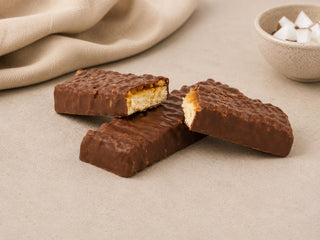
Typically 20-30g protein per bar (60-80g). Watch the sugar and saturated fat content in commercial varieties. Take a look at Bioteïne's range at our protein bars collection for clinically balanced options with controlled macros.
7. Plant-based protein bars
15-25g protein per bar. A vegan option; a combination of pea and rice protein delivers a complete amino acid profile.
8. Protein shake as a meal replacement
Clinically formulated meal-replacement shakes typically provide 200-250 kcal per serving with 25-30g protein, plus 100% of the recommended daily amounts of key micronutrients. Bioteïne shakes are developed in line with the 4-phase system and deliver a complete meal profile. Browse our full shakes range.
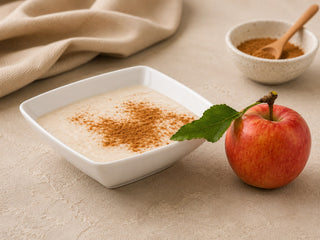
9. Protein pudding
Usually 15-20g protein per 200g serving at 130-180 kcal. The casein base means slow digestion, making it a popular snack or dessert within a structured diet plan.
10. Protein pasta (lentil or chickpea based)
12-15g protein per 100g dry weight. Higher in fibre than wheat pasta, with a lower glycaemic index. A practical option for carb-conscious eating patterns.
11. Collagen peptide powder
90-95g protein per 100g. Contains no tryptophan, so it isn't a complete protein. Aimed at joint and skin health rather than serving as a primary protein source for maintaining muscle.
12. Medical meal replacement (Very Low Calorie Diet, VLCD)
400-800 kcal per day, with 50-80g protein spread across several servings. Clinical research, including the Cambridge Diet studies, shows that VLCD programmes with sufficient protein density limit muscle loss to under 15% of total weight lost. These should only be used under dietetic supervision.
How to Combine Plant Proteins for a Complete Amino Acid Profile
Plant proteins are rarely complete on their own: most are lacking in one or more essential amino acids. This is known as limiting amino acids, and it's a problem that strategic combinations of plant sources can solve.
The Three Most Effective Combinations
- Grains + pulses. Grains (rice, bread, pasta) are low in lysine but rich in methionine. Pulses (lentils, beans, chickpeas) are low in methionine but rich in lysine. Together, they form a complete profile. Classic examples include rice with lentil stew, or hummus on wholemeal bread.
- Pulses + seeds or nuts. Sesame and sunflower seeds make up for the methionine shortfall in pulses. Try chickpeas with tahini (hummus), or a lentil salad with pumpkin seeds.
- Soya or quinoa as a base. Both are close to complete on their own. Use them as your protein base and add other plant sources for variety in micronutrients, rather than to fill amino acid gaps.
Does This Need to Happen at Every Meal?
No. Clinical research confirms that it's your overall amino acid intake across the day that matters, not each individual meal. As long as you bring enough variety to your plant protein sources over the course of a day, you'll typically end up with a complete profile without needing to combine deliberately at every meal.
High-Protein Breakfast Options
For many people, breakfast is the weakest link in their daily protein intake. Research published in the American Journal of Clinical Nutrition shows that a high-protein breakfast (25g protein or more) significantly reduces appetite and calorie intake for the rest of the day.
Five Practical Options with Protein Content
- Skyr with nuts and berries. 200g skyr plus 25g almonds: roughly 26g protein at around 290 kcal. A fibre and protein-rich start that limits insulin spikes.
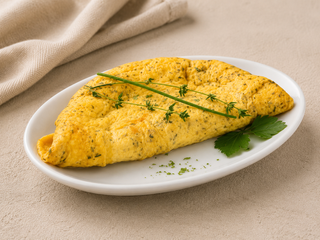
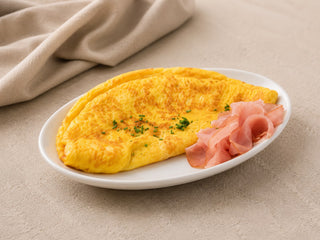
- Three-egg omelette with spinach. 3 eggs plus 100g spinach: roughly 21g protein at around 230 kcal. Quick to prepare; add low-fat cheese for an extra 4-6g protein.
- Porridge with protein powder. 60g oats plus one scoop (30g) whey protein: roughly 28g protein at around 370 kcal. Complex carbohydrates and protein in a single meal.
- Cottage cheese with seeds and fruit. 200g cottage cheese plus 15g hemp seeds: roughly 27g protein at around 250 kcal. A complete profile thanks to the combination of casein and hemp seed protein.
- Bioteïne meal-replacement shake. A serving from the Bioteïne shakes range gives you a clinically balanced breakfast alternative with a guaranteed protein content, micronutrients and a low calorie count, matched to your phase in the 4-phase system. For more on using it correctly, see our complete high-protein diet guide.
High-Protein Snacks Under 200 kcal
Snacks are a crucial moment: they can boost your daily protein intake without upsetting your calorie balance, provided you choose deliberately. The options below all deliver at least 10g protein per serving for no more than 200 kcal.
Animal-Based Snacks
- 2 hard-boiled eggs.12g protein, 155 kcal. Portable and ready to prepare in advance.
- 150g low-fat quark with cinnamon.18g protein, 86 kcal. High protein content for a very low calorie cost.
- 100g tuna (canned in water).29g protein, 116 kcal. Handy and quick; pair with cucumber for texture.
- 80g smoked salmon.21g protein, 133 kcal. An omega-3-rich snack that keeps you feeling full for longer.
- 100g cottage cheese with 5 wholemeal crackers. Roughly 16g protein, around 195 kcal. A good balance of carbohydrates and protein.
Plant-Based Snacks
- 200ml soya milk with 1 tbsp peanut butter.13g protein, around 175 kcal. Filling, and rich in plant fats and protein.
- 30g roasted chickpeas.8g protein, 120 kcal. A crunchy snack packed with fibre and iron.
- 150g edamame (steamed).12g protein, 130 kcal. A complete plant protein, and an easy snack to prepare.
- 25g hemp seeds in a smoothie.8g protein, 139 kcal. Easy to add without changing the flavour.
Supplement Snacks
- Protein bar (Bioteïne). Our protein bars are designed as a snack within the 4-phase system: calorie-controlled, high in protein and free from added sugar. A practical choice on the go, matched to your phase of the diet.
- Protein pudding (casein-based).15-20g protein at 130-160 kcal. Slow digestion makes it a good late-evening snack within a calorie-restricted programme.
For a full overview of how high-protein foods fit into a structured weight-loss programme, take a look at our high-protein diet guide. Want to know which phase of the Bioteïne 4-phase system suits you? Take the phase test and get personalised advice.
Disclaimer: weight loss varies from person to person and depends on several factors, including starting weight, activity level and adherence to the programme. The information on this page does not replace medical or dietetic advice. Please consult a dietitian if you have a medical condition or a BMI above 35.