

Why bother with a high-protein breakfast?
The choice you make for your first meal of the day shapes your eating behaviour far more than you might expect. A breakfast heavy in carbohydrates and light on protein typically triggers a sharp glucose spike, followed by an equally sharp crash. The familiar sugar dip. The result: hunger, fatigue and cravings before lunch has even arrived.
A high-protein breakfast works differently. Protein slows gastric emptying, stabilises blood sugar and stimulates the release of satiety hormones such as peptide YY and GLP-1. Clinical research shows that a breakfast containing at least 25 grams of protein significantly lowers total calorie intake across the day, without you having to consciously manage it.
Protein also has the highest thermic effect of any macronutrient: digesting it costs the body 20-30% of the calories consumed. For anyone focused on weight management, breakfast is therefore the strategically strongest moment to build up your protein intake.
If you're after a protein breakfast for weight loss as part of a structured plan, the Bioteïne 4-phase system offers a clinically grounded approach. See the full overview on our 4-phase system page.
The 12 breakfast ideas
The ideas below are grouped by prep time and approach. Each one lists the estimated protein content and total calories. Figures are indicative and based on standard ingredients.
Quick breakfasts (5 minutes or less)
A lack of time is no reason to settle for a low-protein breakfast. These four options are ready in five minutes.
-
Quark with walnuts and cinnamon
200 g low-fat quark (0% fat) with 10 g walnuts and a pinch of cinnamon.
Protein: ±24 g. Calories: ±195 kcal
Quark is one of the most concentrated protein sources in an everyday diet. The walnuts provide alpha-linolenic acid (omega-3) and extend satiety. -
Greek yoghurt with flaxseed
150 g Greek yoghurt (10% fat), 10 g ground flaxseed, 50 g blueberries.
Protein: ±16 g. Calories: ±215 kcal
Flaxseed adds fibre and plant-based omega-3. Blueberries are low in fructose compared with other fruit. -
Hard-boiled egg with a wholegrain cracker
2 hard-boiled eggs (pre-cooked), 1 wholegrain rice cake, a pinch of salt and pepper.
Protein: ±14 g. Calories: ±185 kcal
Eggs contain all the essential amino acids in a near-ideal ratio. The British Dietetic Association (BDA) cites the egg's complete amino acid profile as the reference standard for dietary protein. -
Cottage cheese with cucumber and pepper
150 g cottage cheese, 100 g cucumber, freshly ground black pepper.
Protein: ±18 g. Calories: ±145 kcal
A savoury alternative for anyone keen to avoid sweet breakfasts. Cottage cheese has a low energy density paired with a relatively high protein content.
Cooked breakfasts
Got a bit more time, or fancy something warmer and more substantial? These four options take 10-15 minutes to prepare.
-
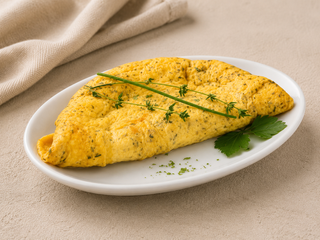
Omelette with spinach and feta
2 eggs, 50 g fresh spinach, 20 g crumbled feta, cooked in ½ tsp olive oil.
Protein: ±20 g. Calories: ±265 kcal
Spinach provides iron and folate; feta adds flavour and calcium without pushing the calorie count up much. Keep the heat low for a light, fluffy omelette that won't catch. -
High-protein porridge with egg white
40 g oats (dry), 150 ml unsweetened almond milk, 2 egg whites (stirred in raw while cooking), 5 g chia seeds.
Protein: ±18 g. Calories: ±290 kcal
Adding egg whites to porridge roughly doubles the protein content without altering the flavour much. Chia seeds absorb moisture and create a filling gel-like effect in the stomach. -
Protein pancakes (2 pieces)
1 egg, 1 egg white, 30 g oat flour, 50 ml skimmed milk, a pinch of baking powder. Cook without butter in a non-stick pan.
Protein: ±19 g. Calories: ±280 kcal
Frying thin gives crispy edges. Top with 100 g quark instead of syrup. -
Scrambled eggs on rye bread
2 eggs gently scrambled with 1 tbsp skimmed milk, on 1 slice of rye bread (40 g).
Protein: ±17 g. Calories: ±300 kcal
Rye bread sits lower on the glycaemic index than white or wholemeal bread and helps keep blood sugar steadier through the morning.
Bioteïne meal replacements as breakfast
For anyone following a structured approach, or simply short on time, the Bioteïne meal replacements offer a fully balanced option. Every product is clinically formulated to meet the nutritional guidelines for meal replacements (EU Regulation 2017/1798): at least 25 g protein per meal, supplemented with fibre, vitamins and minerals.
-
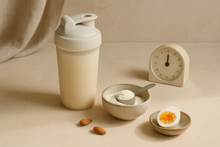
Bioteïne Protein Shake, Vanilla or Chocolate
Prepared with 250 ml water or unsweetened almond milk (± 15 kcal extra).
Protein: 27 g. Calories: ±210 kcal
Ready in two minutes and easy to take with you. Ideal for a high protein breakfast on the go. Pair with a handful of raw nuts for extra satiety if you like. -
Bioteïne Protein Pudding, Red Fruits
Ready to eat straight away, no preparation needed.
Protein: 25 g. Calories: ±185 kcal
The pudding has a thick texture that contributes to the feeling of a proper meal. Add 10 g pumpkin seeds for extra magnesium and healthy fats (± 55 kcal extra). -
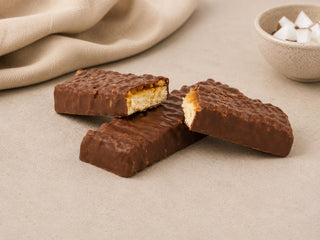
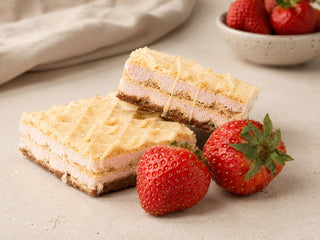
Bioteïne Breakfast Bar
Convenient bar format, no need to keep it chilled.
Protein: 25 g. Calories: ±230 kcal
The breakfast bar delivers controlled calorie intake without any cooking. Suitable for Phase 1 and Phase 2 of the Bioteïne system. Find out more about the phase structure on the 4-phase system page. -
Bioteïne Shake with a homemade topping
Shake prepared as a base, topped with 50 g quark and 5 g cacao nibs.
Protein: ±33 g. Calories: ±290 kcal
A combination suited to people who are a bit further along in their journey and have higher protein needs, for example during strength training as a complement to a diet phase. See the starter pack for the full product range.
The minimum grams of protein for a satisfying breakfast
Based on multiple clinical studies, including those cited in BDA guidance on weight management, 25 to 30 grams of protein per breakfast is considered the threshold for a noticeable satiety effect that keeps hunger at bay until lunch.
| Breakfast protein intake | Satiety effect | Expected impact on lunch intake |
|---|---|---|
| < 10 g | Minimal | No significant reduction |
| 10-20 g | Moderate | Slight reduction possible |
| 25-30 g | Strong | 15-20% less calorie intake at lunch on average |
| > 40 g | No extra benefit | Surplus doesn't add further to satiety |
For most adults with a normal activity level, total protein needs sit at around 0.8 to 1.2 grams per kilogram of body weight per day. On a calorie-restricted diet or with an active lifestyle, this rises to 1.2-1.6 g/kg. A high-protein breakfast helps make that daily total achievable without needing to compensate later in the day.
Not sure which phase you're in, or how much protein you need each day? Take the Bioteïne phase test for a personal recommendation.
Vegan high-protein breakfast
A plant-based breakfast with sufficient protein takes a bit more planning, but is entirely achievable. Bear in mind that plant proteins are often incomplete, missing one or more essential amino acids. Combining sources (grains plus pulses, or tofu plus seeds) is therefore important.
-
Soy yoghurt with hemp seeds and strawberries
200 g unsweetened soy yoghurt, 15 g hemp seeds, 80 g strawberries.
Protein: ±17 g. Calories: ±245 kcal
Soy yoghurt is the only plant-based yoghurt alternative with a complete amino acid profile. Hemp seeds provide additional omega-3 and omega-6 in a favourable ratio. -
Tofu scramble with pepper and turmeric
150 g firm tofu (crumbled), ½ bell pepper, ½ tsp turmeric, ½ tsp garlic powder, cooked in ½ tsp olive oil.
Protein: ±18 g. Calories: ±220 kcal
Turmeric has anti-inflammatory properties and adds colour and flavour without calories. Tofu has a neutral flavour that takes on seasoning well. -
Soy-based high-protein smoothie
200 ml unsweetened soy milk, 30 g edamame (frozen, thawed), 1 tbsp almond butter (15 g), 50 g frozen spinach, 5 g cacao powder.
Protein: ±20 g. Calories: ±310 kcal
Edamame are young soybeans and pack a notably high protein content for a vegetable (±11 g per 100 g). Combined with almond butter, this makes for a complete, filling vegan breakfast.
Note: following a fully plant-based diet alongside a calorie restriction? Speak to a dietitian about supplementing vitamin B12, iron and zinc, nutrients that are less bioavailable from plant sources.
How to build a smart breakfast
An effective protein breakfast isn't down to luck. It follows a fixed structure you can apply to almost any food choice.
The basic formula: Protein source (25-30 g protein) + fibre-rich base + healthy fats = a satisfying breakfast under 350 kcal
Step 1: Choose your protein source
- Animal-based: quark, Greek yoghurt, eggs, cottage cheese
- Plant-based: tofu, soy yoghurt, edamame, hemp seeds
- Structured: Bioteïne shake, pudding or bar
Step 2: Add fibre
- Oats, chia seeds, flaxseed, rye bread, vegetables
- Aim for at least 5 g fibre per meal for optimal gut transit and satiety
Step 3: Add a small portion of healthy fats
- Walnuts, almond butter, flaxseed, olive oil, avocado (½ small)
- Fat intake slows gastric emptying and extends satiety
- Keep the portion modest, fats are calorie-dense at 9 kcal per gram
What to leave out
- Juices and smoothie packs: high in fructose, low in fibre and protein
- Boxed muesli: often contains more sugar than protein
- White bread with sweet toppings: causes a rapid glucose spike with little nutritional value
Combining these three elements, protein, fibre and healthy fats, is what turns a high-protein breakfast from a modest, low-calorie meal into one that keeps you full for four to five hours.
Want to know which Bioteïne products best suit your phase and goal? Browse the Phase 1 range or start with the personal phase test for tailored advice.
Disclaimer: weight loss varies from person to person depending on starting weight, activity level, hormone balance and dietary adherence. The information on this page is not a substitute for medical or dietetic advice. Consult a professional if you have a chronic condition or if your calorie intake falls below 800 kcal per day.