
Vegan protein: how to get enough
Combining pulses, soya, grains and plant-based protein shakes is the most effective strategy for getting enough protein on a vegan diet. A portion of cooked lentils gives you 9 grams of protein per 100 grams. Tofu offers 8 grams. Pair either with quinoa (4 grams per 100 grams) and you land on a complete amino acid profile without any animal products at all.
That sounds a bit technical. It is, slightly. But in practice it's entirely manageable once you know which combinations work. The ten meals below are built around exactly that knowledge: real numbers, not a vague "healthy food" gesture.
Losing weight on a plant-based diet only works if you hit your protein target. Most people who abandon vegan diets report tiredness and hunger, not a lack of willpower. That's almost always down to a shortfall of 20 to 40 grams of protein a day. It's worth avoiding.
10 protein-rich vegan meals at a glance
The table below gives you a quick overview. Calories and protein are calculated using standard portion sizes as set out by the Voedingscentrum, the Dutch national nutrition centre. Protein values are rounded to whole grams.
| Dish | kcal | Protein (g) | Main protein source |
|---|---|---|---|
| Tempeh stir-fry with edamame and rice | 520 | 38 | Tempeh (19 g/100 g), edamame (11 g/100 g) |
| Red lentil soup with wholemeal bread | 380 | 24 | Red lentils (9 g/100 g cooked) |
| Quinoa bowl with chickpeas and tahini | 490 | 27 | Chickpeas (9 g/100 g), quinoa (4 g/100 g) |
| Tofu scramble with spinach and wholemeal toast | 360 | 26 | Firm tofu (8 g/100 g) |
| Black bean burrito with corn tortilla | 540 | 29 | Black beans (8 g/100 g cooked) |
| Seitan wrap with roasted peppers | 420 | 42 | Seitan (25 g/100 g) |
| Green split pea soup with rye bread | 350 | 22 | Split peas (8 g/100 g cooked) |
| Soba noodles with silken tofu and miso | 410 | 23 | Silken tofu (5 g/100 g), soba noodles (6 g/100 g) |
| Lupin pasta with tomato sauce and basil | 470 | 34 | Lupin flour pasta (17 g/100 g dry) |
| Plant-based protein shake with oats and banana | 390 | 30 | Plant-based protein shake (25 g protein per serving) |
Seitan and lupin pasta stand out. Seitan delivers 25 grams of protein per 100 grams, higher than plenty of animal products. Lupin pasta is less well known but just as impressive. Both are solid options if you want to feel properly satisfied after a workout.
Complete protein: what it means and how to sort it
A "complete protein" contains all nine essential amino acids in sufficient amounts. Animal protein is almost always complete. Plant sources rarely are, on their own.
Soya is the exception. Tofu, tempeh, edamame and soya milk all deliver a full amino acid profile. So does quinoa. That makes these two especially valuable on a vegan diet.
For everything else, the rule is: combine across the day. It doesn't need to happen within a single meal, it works perfectly well if you take in all the amino acids over 24 hours. Two classic combinations:
- Grains + pulses: rice and lentils, wholemeal bread and hummus, corn and beans. Together they supply methionine (from grains) and lysine (from pulses), two amino acids that complement each other.
- Pulses + nuts/seeds: chickpeas with sesame tahini (as in hummus), split peas with pumpkin seeds. A similar mechanism at work.
The British Dietetic Association confirms that a well-planned vegan diet can supply all the protein you need without supplements, provided total protein intake is high enough. That "high enough" is exactly where most people fall short.
So how much is enough? For weight loss, standard clinical guidelines recommend 1.2 to 1.6 grams of protein per kilogram of body weight per day. At 70 kilograms, that's 84 to 112 grams a day. Take a look at your current eating pattern: are you getting there? Most vegans land at 50 to 65 grams. That's a shortfall of 30 to 45 grams you need to make up somewhere.
Want to know where you stand? The Bioteïne phase test helps you work out which phase of your diet you're in and how much extra protein you need.
Losing weight on plant-based food without a protein deficit
Protein is the most satiating macronutrient there is. Research published in the American Journal of Clinical Nutrition shows that a diet in which 25 to 30 percent of calories come from protein leads to a spontaneous reduction in calorie intake of 441 kcal a day on average, without any conscious counting. That's a substantial effect from a single change.
On a vegan diet, making that change is trickier but far from impossible. It takes planning. Three practical strategies:
- Build each meal around protein: Start every meal with the protein source, not the grains or vegetables. Tempeh, tofu, lentils, seitan, lupin pasta. Build the rest of the plate around that.
- Fill in the gaps cleverly: Edamame (150 grams = 17 grams of protein, 190 kcal) is a far more efficient snack than a handful of nuts (150 kcal, 4 grams of protein). More protein, fewer calories.
- Use protein shakes to top up: A plant-based shake with 25 grams of protein per serving fills a gap without a big calorie hit. The Bioteïne shake range includes options based on pea and rice protein, both lactose-free and vegan.
The Bioteïne high-protein diet guide takes this further with daily menus and protein targets by body weight.
The pitfall that undermines most vegan diets
Nuts, avocado, coconut milk, olive oil, nut butter. All part of a plant-based diet. All energy-dense. That's the snag.
A tablespoon of peanut butter (16 grams) gives you 3 grams of protein and 95 kcal. Trying to hit 30 grams of protein from peanut butter alone means eating 480 kcal and 50 grams of fat. That's nearly a quarter of the daily energy needs for someone with a 1,600 kcal target. And your hunger barely eases, since peanut butter is far less filling than a comparable portion of protein-rich pulses.
Nuts are healthy. They deserve a place in your diet. But as a protein source, they're inefficient. Use them to top off meals, not as your primary protein supply.
The same goes for plant-based milk alternatives. Rice milk, oat milk, coconut milk: low in protein (0.5 to 1.5 grams per 100 ml), relatively high in calories. Soya milk is the exception (3.3 grams per 100 ml) and is the better choice if you're using milk for shakes or porridge.
Another trap: oversized portions of "healthy" food. 200 grams of cashews comes to nearly 1,100 kcal. This catches out people who "just eat healthily" without counting anything. A calorie deficit is a physical fact. Plant-based products aren't exempt from it.
Plant-based Bioteïne options for your daily protein target
Food alone doesn't always get you to your target, especially when time is tight, you're active, or you're on a calorie-restricted diet. Bioteïne has developed a plant-based range for exactly that situation.
The plant-based shakes are formulated with pea and rice protein combinations, which together provide a complete amino acid profile. Each serving delivers 25 grams of protein for under 170 kcal, making them efficient as breakfast, a post-workout recovery meal, or an evening top-up.
The ready meals are designed for days when cooking isn't an option. They contain 30 to 40 grams of protein per serving, are plant-based and calorie-controlled, giving you structure without decision fatigue.
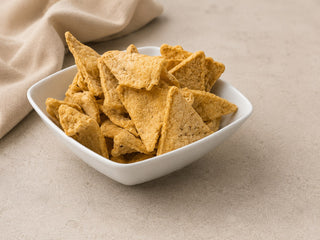
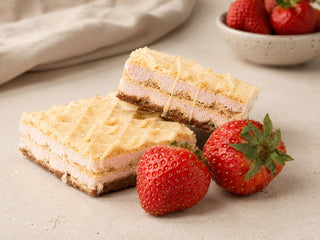
For on the go, the vegan snacks are an alternative to nuts or energy bars. They're portioned and clearly labelled nutritionally.
Starting out? The starter pack includes a selection of shakes, meals and snacks for your first fortnight, giving you a feel for what works for you without committing to a large order straight away.
The 4-phase system from Bioteïne explains how to build these products into a structured weight-loss plan, with specific protein targets for each phase.
Frequently asked questions
How much protein does a vegan need per day?
For weight loss, clinical guidelines recommend 1.2 to 1.6 grams of protein per kilogram of body weight. At 70 kilograms, that's 84 to 112 grams a day. Many vegans only reach 50 to 65 grams, a shortfall of 20 to 45 grams that needs actively making up through targeted food choices or supplements.
Is plant protein just as good as animal protein?
The bioavailability of plant protein averages 70 to 80 percent, compared with 90 to 95 percent for animal protein. That means you need to eat slightly more to absorb the same amount. Soya and seitan are exceptions, with higher absorption rates than most other plant sources.
Which vegan foods deliver the most protein per 100 grams?
Seitan delivers around 25 grams of protein per 100 grams. Tempeh, 19 grams. Dry lupin pasta, 17 grams. Edamame, 11 grams. Cooked chickpeas and lentils, 8 to 9 grams. For the highest protein density, seitan and tempeh are the most efficient choices within a plant-based diet.
Can I lose weight on a vegan diet?
Yes, but only if you combine a calorie deficit with enough protein. Plant-based diets tend to be calorie-dense thanks to nuts, oils and avocado. Without deliberately choosing protein-rich, calorie-efficient foods, weight loss is harder than on a mixed diet. Planning makes the difference.
Are nuts and nut butters good protein sources for vegans?
Not as a primary source, no. Peanut butter gives you 3 grams of protein per 16 grams, but 95 kcal. Hitting 30 grams of protein from peanut butter alone would cost you nearly 500 kcal. Nuts are useful as an addition to a varied diet, but too inefficient if you want to raise your protein intake without adding extra calories.
Do I need to eat a complete protein at every meal?
No. The body combines amino acids over a 24-hour period. You don't need to pair rice and lentils in the same meal, as long as you eat both over the course of the day. Only soya and quinoa are complete on their own. Everything else works fine combined across the day.
Which plant-based milk is best as a protein source?
Soya milk is by far the best choice, with 3.3 grams of protein per 100 ml. Oat milk offers 1 gram, rice milk 0.5 grams, coconut milk barely any. If you use plant-based milk for shakes or porridge and want to boost your protein intake, soya milk is the obvious choice.
How quickly will I see results from increasing my protein intake?
Within two to three weeks, people typically report feeling fuller and less prone to snacking. Weight loss becomes visible after four to six weeks with a consistent calorie deficit of 300 to 500 kcal a day. The extra protein supports this process by protecting muscle mass while you lose weight.