
The short version: what makes a meal 'high-protein under 200 kcal'?
A meal earns the label high-protein under 200 kcal when it delivers at least 15 grams of protein per portion, stays at or below 200 kilocalories, and has a protein-to-kcal ratio above 0.075. In practical terms, that means every calorie works harder for you. Less energy, more fullness, and less muscle loss while you're cutting calories.
Why 200 kcal is the magic number for weight loss
200 kilocalories per meal might sound modest, but there's solid logic behind it. Imagine building your day around three meals of 200 kcal each, plus two snacks of 100 kcal each. That gives you a base of 800 kcal. Add a normal breakfast of 300 to 400 kcal, and you land at 1100 to 1200 kcal for the day, which sits neatly within the typical 1200 to 1500 kcal range for a medically sound weight-loss diet.
Guidance from the Dutch Nutrition Centre (Voedingscentrum) states that a sensible calorie deficit shouldn't exceed 500 to 600 kcal below your daily maintenance needs. For a woman with a maintenance intake of 1800 kcal, that works out to a target of 1200 to 1300 kcal. The 200 kcal ceiling per meal leaves room for variety without blowing your daily total.
The second benefit is psychological. A firm 200 kcal limit forces you towards nutrient-dense choices; there's simply no room left for empty calories. That shift in decision-making is backed by research into high-protein diets and satiety (Weigle et al., 2005), which found that higher protein intake boosts production of satiety hormones like PYY and GLP-1, so you naturally eat less without having to count obsessively.
For a personalised calculation of your daily protein needs and calorie target, try the Bioteïne phase test.
Table: 12 meal ideas with kcal and protein per portion
The table below lists twelve concrete meal ideas, ordered by preparation time. All figures are based on standard portion sizes and publicly available nutritional data.
| Meal | kcal | Protein (g) | Prep time | Type |
|---|---|---|---|---|
| Protein shake with water (vanilla) | 160 | 25 | 2 min | Ready-made |
| Quark (200g, 0% fat) with cinnamon | 118 | 22 | 1 min | Ready-made |
| Protein pudding (chocolate) | 180 | 20 | 0 min | Ready-made |
| Tomato soup + 1 scoop protein powder | 195 | 18 | 5 min | Quick prep |
| Chicken breast (100g) with roasted peppers | 185 | 28 | 15 min | Home-cooked |
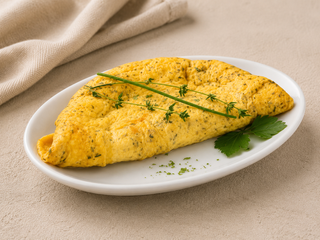
| Spinach omelette (2 eggs + 100g spinach) | 190 | 16 | 10 min | Home-cooked |
| Quark bowl with cucumber and dill | 145 | 19 | 5 min | Home-cooked |
| Tuna (100g, in water) with lemon | 116 | 26 | 2 min | Ready-made |
| Bioteïne Pasta Carbonara Protein | 199 | 27 | 5 min | Meal replacement |
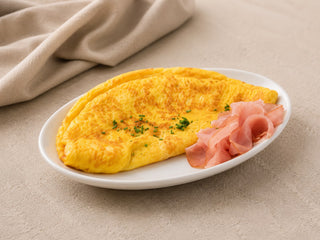
| Bioteïne Protein Omelette | 175 | 24 | 3 min | Meal replacement |
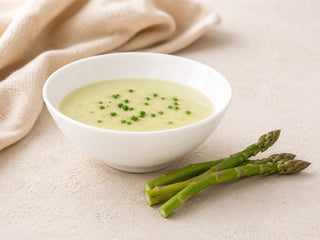
| Bioteïne Creamy Tomato Soup | 165 | 20 | 3 min | Meal replacement |
| Bioteïne Chocolate Pudding | 180 | 22 | 0 min | Meal replacement |
Quick: 4 meals in 5 minutes or less
Not every meal needs preparation time. The four quickest options in the table above average 22 grams of protein per portion for under 175 kcal.
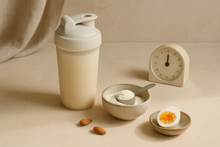
- Protein shake with water: 160 kcal, 25g protein. Mix one scoop of protein powder (roughly 30g) with 300ml water. No equipment, no washing up, and easy to use as a meal replacement when you're pressed for time. Browse the Bioteïne shake range for flavours.
- Quark 0% fat (200g): 118 kcal, 22g protein. Add cinnamon or half a teaspoon of vanilla extract for flavour without extra calories. Quark has high protein bioavailability, comparable to whey.
- Protein pudding: ready straight from the pack, 180 kcal, 20g protein. Always check the label and look for under 5g of sugar per portion.
- Tomato soup with protein powder: pre-made soup from a carton (around 150 kcal per 300ml) stirred through with one scoop of neutral-flavoured protein powder. Mix well. Result: 195 kcal, 18g protein, warm and filling.
Prepared: 4 meals in 15 minutes
With a quarter of an hour to spare, you get better options for texture, warmth and variety. These four work well as lunch or a light evening meal.
- Chicken breast with roasted peppers: fry 100g chicken breast (31g protein raw, 28g cooked) in a dry pan over medium-high heat, 6 minutes per side. Add sliced peppers. Total: 185 kcal, 28g protein, and highly filling thanks to its volume and protein density.
- Spinach omelette: whisk 2 eggs (140 kcal), add 100g fresh spinach (23 kcal), cook with a light spray of oil. Result: 190 kcal, 16g protein, plus iron and folate from the spinach.
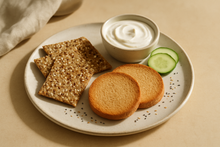
- Savoury quark bowl: 200g quark 0% fat, 100g sliced cucumber, fresh dill, pepper and salt. Cold, quick, and just 145 kcal with 19g protein. Works well as a lunch or light evening meal.
- Tuna in water: a tin of tuna in water (100g drained) comes to 116 kcal and 26g protein. Add lemon juice and black pepper. Pair with 100g cucumber for extra volume without the calories.
Bioteïne meal replacements
Not everyone has the time or energy to prepare every meal from scratch. The Bioteïne meal replacement range offers four options that stay under the 200 kcal mark with a protein-to-kcal ratio above 0.10.
- Pasta Carbonara Protein: 199 kcal, 27g protein. Ready in 5 minutes with boiling water. Protein-to-kcal ratio: 0.136, one of the highest in the meal replacement category.
- Protein Omelette: 175 kcal, 24g protein. Add water and cook for 3 minutes in a pan. Uses egg protein as its primary source, which contributes to a high biological value (BV: 100).
- Creamy Tomato Soup: 165 kcal, 20g protein. Serve hot or cold. Low in carbohydrates, high in volume. Suitable for use in phase 1 of the Bioteïne plan.
- Chocolate Pudding: 180 kcal, 22g protein. No preparation needed. Works as a full meal moment or as a swap for a sugar-heavy dessert.
Browse the full range in the meal replacements collection, or get started straight away with the Bioteïne starter pack for a structured first week.
How do you know a meal has enough protein?
A handy rule of thumb is 0.5 grams of protein per kilocalorie, or put another way, a protein-to-kcal ratio of 0.075 as a minimum and 0.10 as a target. Below are three comparisons.
| Meal | kcal | Protein (g) | Ratio | Verdict |
|---|---|---|---|---|
| Chicken breast with peppers | 185 | 28 | 0.151 | Excellent |
| Wholemeal sandwich with cheese | 220 | 9 | 0.041 | Insufficient |
| Quark 0% fat (200g) | 118 | 22 | 0.186 | Excellent |
| "Protein" yoghurt drink (150ml) | 95 | 5 | 0.053 | Insufficient |
Both the wholemeal sandwich with cheese and the yoghurt drink fall below the 0.075 minimum threshold. Supermarkets frequently market both as "healthy" or "high-protein", yet neither meets the criteria for a high-protein meal that supports muscle retention during calorie restriction.
The British Dietetic Association recommends a minimum protein intake of 1.2 grams per kilogram of body weight per day during calorie restriction, to limit muscle loss. For someone weighing 75kg, that's 90 grams of protein a day. Three meals of 20 grams each, plus two snacks of 15 grams each, hits that target precisely.
Find out more about how to structure your protein intake in the Bioteïne high-protein diet guide.
Mistakes people make with 'high-protein' ready meals
The market for high-protein products is growing fast, and so is the amount of misleading labelling. Here are the three most common pitfalls.
Hidden sugars
Many ready-made "protein" meals mask a dry texture with added sugar. A protein pudding with 22g protein and 18g sugar triggers an insulin spike that temporarily suppresses fat burning. Look for products with under 5g sugar per 100g.
Low protein-to-kcal ratio
A product labelled "high in protein" only needs to derive 20% of its energy from protein to legally qualify. That's a minimum threshold, not a quality guarantee. Always work out the ratio yourself: grams of protein divided by kilocalories. Anything below 0.075 isn't sufficient for a weight-loss diet focused on preserving muscle.
Too much sodium
High sodium levels (above 800mg per portion) are common in ready meals and soups. Sodium causes water retention, which can throw off the scales and dent motivation. It has no effect on fat mass, but it's a signal of low nutritional quality. Guideline: aim for no more than 600mg of sodium per 200 kcal meal.
A useful way to compare products is the Bioteïne high-protein diet guide, which explains nutrient density by category.
How Bioteïne helps: the 4-phase system
Meals under 200 kcal are a tool, not an end goal. How well they work depends on context: which phase of weight loss you're in, how much protein you need daily, and how sustainable the approach is for you.
The Bioteïne 4-phase system structures the weight-loss process into four consecutive stages: intensive, transition, stabilisation and maintenance. Each phase has its own calorie and protein targets. In phase 1 (intensive), meals under 200 kcal form the backbone of the daily plan. In phases 3 and 4, they're gradually supplemented with regular food.
The meal replacements in the meal replacement collection are specifically designed for use in phases 1 and 2, with nutritional values aligned to each phase's goals. The starter pack contains a selection ready to use from day one.
Want to know which phase suits you right now? Take the Bioteïne phase test. It takes less than two minutes and gives you concrete advice based on your current weight, goals and lifestyle.
Frequently asked questions
How much protein per meal is enough for weight loss?
For a meal to support muscle retention during calorie restriction, aim for a minimum of 15 grams of protein per portion. The British Dietetic Association recommends 1.2 to 1.6 grams of protein per kilogram of body weight per day. Spread this across three to five meals or snacks for optimal protein absorption.
Can I lose weight eating only 200 kcal meals?
Three 200 kcal meals add up to 600 kcal, which is too little as your only source of nutrition for most adults. Combine them with two snacks of 100 to 150 kcal and a breakfast of 300 to 400 kcal for a daily total of 1200 to 1500 kcal, which supports a sensible weight-loss diet.
What is the protein-to-kcal ratio and how do I calculate it?
Divide the grams of protein by the total kilocalories. A meal with 20g protein and 200 kcal has a ratio of 0.10. Anything above 0.075 is acceptable for a weight-loss diet. Above 0.10 is good, and above 0.13 is excellent.
Are protein shakes a good meal replacement?
A 160 kcal protein shake with 25g protein can stand in for a meal when you're short on time or appetite. The downside is a lack of fibre and volume, so add water or some cucumber to boost satiety. It's best not to rely on shakes for more than two of your three daily meals.
How many calories can a meal replacement contain?
Under European regulations (the VLCD standard), a partial meal replacement can contain 200 to 400 kcal and must supply at least 25 to 50% of daily recommended nutrients. Products under 200 kcal can also work as meal replacements, provided they contain enough protein, fibre and micronutrients.
What are good high-protein snacks under 100 kcal?
Good options include a hard-boiled egg (78 kcal, 6g protein), 100g quark 0% fat (59 kcal, 11g protein), or a protein bar suited to your needs. Check out the Bioteïne snack range for options under 100 kcal with at least 10g protein per portion.
Will I lose muscle mass if I eat under 1200 kcal?
Cutting calories below 1200 kcal raises the risk of muscle loss, particularly if protein intake is low. A higher protein intake of at least 1.2 grams per kilogram of body weight, combined with light strength training, significantly reduces this risk. If you're unsure, consult a dietitian or use the Bioteïne phase test for personalised advice.
Are high-protein meals also suitable for maintenance after weight loss?
Yes. After weight loss, a high protein intake remains useful for preserving muscle and preventing weight regain. In the maintenance phase, portions get bigger and calories increase, but protein density remains an important factor. The Bioteïne 4-phase system provides a clear strategy for this transition.