
What can you eat on a protein diet: the short answer
On a protein diet, your plate is built around protein-rich foods, meat, fish, eggs, dairy and pulses, alongside vegetables that are low in carbohydrates. Sugars, refined carbs and alcohol are kept to a strict minimum. The principle is straightforward: aim for at least 1.2 grams of protein per kilogram of body weight per day, combined with plenty of water.
This article gives you a full breakdown of what's allowed and what isn't. Rather than vague categories, you'll find specific foods with their protein content per 100 grams, so you know exactly where you stand.
Not sure which phase of a protein diet you're in? Take the Bioteïne phase test for a personalised starting point.
The big table: what you CAN eat
The foods below form the backbone of a protein diet. They're relatively high in protein and low in fast-releasing sugars. Protein values are averages per 100 grams of raw product, based on standard nutritional databases.
| Category | Examples | Protein per 100 g |
|---|---|---|
| Poultry | Chicken breast, turkey breast | 22-31 g |
| Red meat (lean) | Beef steak, lean minced beef, fillet | 20-26 g |
| White fish | Cod, tilapia, pollock, tuna in water | 18-25 g |
| Oily fish | Salmon, mackerel, herring, sardines | 18-23 g |
| Eggs | Whole egg, egg whites | 13 g (whole egg) / 11 g (whites) |
| Dairy (low-fat) | Low-fat quark, Greek yoghurt (0%), cottage cheese | 10-13 g |
| Cheese (low-fat) | Cottage-style cheeses, light soft cheese, ricotta | 11-14 g |
| Pulses | Lentils, chickpeas, black beans, edamame | 7-9 g (cooked) |
| Soya products | Firm tofu, tempeh, unsweetened soya milk | 8-19 g |
| Protein supplements | Protein shakes, protein-based meal replacements | 15-25 g per serving |
| Vegetables (all types) | Broccoli, spinach, courgette, peppers, cucumber | 1-4 g |
| Mushrooms | Button mushrooms, shiitake, oyster mushrooms | 2-3 g |
| Nuts and seeds (in moderation) | Almonds, walnuts, linseed, pumpkin seeds | 15-25 g (but also high in fat) |
For more guidance on how to combine these foods across your day, see the full Bioteïne high-protein diet guide.
The table: what you CANNOT or shouldn't eat freely
Not everything is off-limits entirely. Some foods can be eaten in moderation depending on your phase. The table below distinguishes between items to strictly limit and those to avoid altogether during an active phase of the diet.
| Food | Reason | Advice |
|---|---|---|
| White bread, baguette | High glycaemic index, low protein (8-9 g/100 g) | Avoid during the active phase |
| White rice, white pasta | High carbohydrate (70-80 g/100 g dry), low protein | Avoid or limit to a maximum of 50 g per day |
| Sugar, honey, syrups | Fast-releasing sugars, no nutritional value for muscle retention | Avoid entirely |
| Fizzy drinks (sugary) | Up to 35 g sugar per can (350 ml) | Avoid entirely |
| Fruit juice | Contains 20-25 g sugar per 200 ml, little fibre | Swap for whole fruit (in moderation) |
| Fruit (large quantities) | Fructose counts as a carbohydrate | Max 1-2 portions per day (berries are the better choice) |
| Alcohol | Slows fat burning, 7 kcal per gram, no protein | Avoid entirely during the active phase |
| Crisps, biscuits, snack bars | High fat, high sugar, low protein | Avoid entirely (swap for a protein snack) |
| Full-fat dairy (large amounts) | Relatively high in fat and carbs in large portions | Keep to small quantities |
| Processed meats | Added sugars, starch used as filler | Check the label, choose unprocessed cuts |
| Potatoes | 17 g carbohydrates per 100 g (cooked) | Limit or avoid during the active phase |
Vegetables you can always eat
Vegetables are the most reliable category on a protein diet. They're low in carbohydrates, keep you full and provide fibre that supports digestion. You can eat the vegetables below without strict portion limits.
- Broccoli (3.3 g carbohydrates per 100 g)
- Spinach (1.4 g carbohydrates per 100 g)
- Courgette (2.7 g carbohydrates per 100 g)
- Cucumber (2.2 g carbohydrates per 100 g)
- Iceberg lettuce and rocket (under 2 g per 100 g)
- Peppers (5-6 g carbohydrates per 100 g, a bit higher but fine)
- Cauliflower (2.6 g carbohydrates per 100 g)
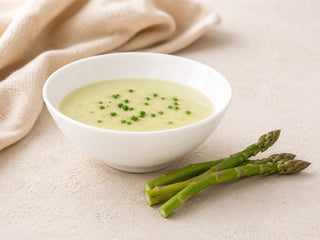
- Asparagus (2.1 g carbohydrates per 100 g)
- Fennel (4.2 g carbohydrates per 100 g)
- Celery (under 2 g per 100 g)
Vegetables such as sweetcorn (16 g carbohydrates), peas (10 g) and beetroot (9 g) are higher in starch or sugar. Count these towards your carbohydrate intake and enjoy them in moderation.
Common pitfalls: hidden sugars and misleading labels
A protein diet doesn't usually fall apart through deliberate choices. The trouble often lies in foods that look healthy but aren't.
Pitfall 1: "low-fat" doesn't mean low-carb
Low-fat fruit yoghurt often contains 10-14 g sugar per 100 g, more than a regular full-fat yoghurt. Manufacturers compensate for removing fat by adding sugar for flavour. Always choose unsweetened varieties and check the sugar content on the label, not the fat percentage.
Pitfall 2: low-quality protein bars
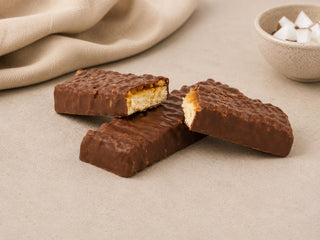
Not every protein bar suits a protein diet. Some contain 20 g sugar per serving with only 10 g protein. A good protein bar delivers at least 15 g protein per 40-50 g serving and contains under 5 g sugar. Browse the Bioteïne bar range for options that meet this standard.
Pitfall 3: sauces and dressings
Ketchup contains 22 g sugar per 100 g. Many ready-made salad dressings contain 8-12 g sugar per serving. Use olive oil, vinegar, mustard, herbs or fresh lemon instead, these add flavour with virtually no sugar or carbs.
Pitfall 4: "sugar-free" isn't the same as low-carb
Products labelled "sugar-free" can still contain starch, maltodextrin or other fast-absorbing carbohydrates. Read the full nutrition table and look at total carbohydrates per 100 g, not just the sugars.
For more on reading labels and counting carbohydrates, visit the Voedingscentrum website.
What can you drink on a protein diet
Hydration is an underrated part of a protein diet. With a higher protein intake, your kidneys need more fluid to process nitrogen waste products. The British Dietetic Association (BDA) recommends at least 1.5 to 2 litres of fluid a day, more if you exercise intensely or in warm weather.
| Drink | Allowed | Note |
|---|---|---|
| Water (still or sparkling) | Yes, unlimited | Your primary source of fluid |
| Coffee (black, no sugar) | Yes | Max 3-4 cups a day due to caffeine |
| Tea (unsweetened) | Yes | Herbal and green tea are good options |
| Stock/broth (clear) | Yes | Watch the sodium content in shop-bought versions |
| Plant-based milk (unsweetened) | Limited | Check the carbs, choose unsweetened |
| Fizzy drinks (regular) | No | Up to 35 g sugar per can |
| Diet fizzy drinks | Limited | No sugar, but sweeteners can increase cravings |
| Fruit juice | No | 20-25 g sugar per 200 ml, no fibre |
| Alcohol (beer, wine, spirits) | No during the active phase | Slows fat burning and muscle recovery |
A sample day on a protein diet
Here's what a day might look like at a protein intake of roughly 120 g, for someone weighing 80 kg (1.5 g per kg). This is a guideline, not personalised advice.
| Meal | Food | Protein | kcal (approx.) |
|---|---|---|---|
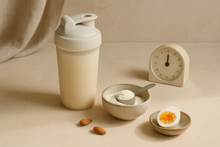
| Breakfast | Protein shake with 200 ml low-fat quark and cucumber | 30 g | 250 kcal |
| Snack | Protein bar (1) | 20 g | 180 kcal |
| Lunch | 150 g tuna in water, large salad, olive oil | 34 g | 300 kcal |
| Snack | 2 hard-boiled eggs, handful of rocket | 13 g | 160 kcal |
| Dinner | 150 g chicken breast, 200 g broccoli, courgette fried in olive oil | 45 g | 390 kcal |
| Total | 142 g protein | approx. 1280 kcal |
This is a calorie-controlled day. How many calories you personally need depends on your weight, height, age and activity level. For a more precise calculation, the BDA points to the Harris-Benedict formula as a starting point.
How Bioteïne products fit into your routine
Sticking to a protein diet is much easier when you have practical options for the moments cooking isn't possible. Bioteïne products are designed for exactly those moments, with a clear, transparent nutritional breakdown.
A few practical examples:
- Breakfast replacement: the Bioteïne protein shakes deliver an average of 25 g protein per serving at around 200 kcal, a functional breakfast that fits within a controlled routine.
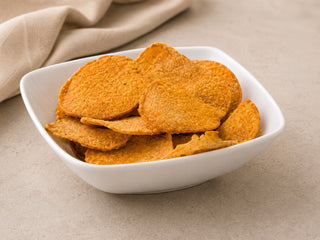
- Snacking: instead of fruit or biscuits, a Bioteïne protein bar or a product from the snack range offers a protein-rich option without the sugar spike.
- Lunch or dinner: the Bioteïne meals are put together as complete, protein-rich meals, so you don't have to do the maths yourself.
- Getting off to a consistent start: the Bioteïne starter pack combines shakes, bars and meals in a structured set-up for your first few weeks.
Want to know which routine suits your situation? Read more about the Bioteïne 4-phase system or take the phase test to find a personalised starting point.
If you're wondering about the science behind this: a meta-analysis published in the American Journal of Clinical Nutrition (2015) found that higher protein intake (above 1.2 g per kg) during a calorie-controlled diet leads to better preservation of muscle mass compared with standard protein intake.
Frequently asked questions
What can you eat on a protein diet?
You eat mainly lean protein sources such as chicken breast, fish, eggs, quark and tofu, alongside low-carb vegetables. Sugar, white bread, fizzy drinks and alcohol are strictly limited. The baseline is at least 1.2 grams of protein per kilogram of body weight per day.
Which vegetables can you eat freely on a protein diet?
Vegetables such as broccoli, spinach, courgette, cucumber, cauliflower and asparagus contain under 5 grams of carbohydrates per 100 grams. You can eat these almost without limit. Vegetables like sweetcorn, peas and beetroot are higher in starch or sugar, so count these towards your carb intake.
Can you eat fruit on a protein diet?
Fruit contains fructose, a form of sugar that counts as a carbohydrate. Limit your fruit intake to 1 or 2 portions a day. Berries like blueberries and strawberries are the best choice, they contain less sugar than bananas, grapes or mango.
What should you absolutely avoid on a protein diet?
Sugar, honey, fizzy drinks, fruit juice, white bread, white rice and alcohol are the foods to avoid entirely during an active phase of the diet. They provide fast-releasing carbohydrates or calories without contributing to protein intake or muscle retention.
Can you drink coffee on a protein diet?
Black coffee without sugar or milk is fine. Keep it to a maximum of 3-4 cups a day because of the caffeine. Coffee with sugar, cream or syrup counts as a carb-rich drink and doesn't fit an active phase of the diet.
Is low-fat yoghurt suitable for a protein diet?
Low-fat quark and unsweetened Greek yoghurt (0%) are excellent choices. They contain 10 to 13 grams of protein per 100 grams with very little fat. Avoid sweetened versions such as fruit yoghurt, these often contain 10 to 14 grams of sugar per 100 grams.
How much water should you drink on a protein diet?
The BDA recommends at least 1.5 to 2 litres of fluid per day. With a higher protein intake, your kidneys need more fluid to process nitrogen waste products. During exercise or hot weather, this need can rise to 2.5 litres or more.
How do I know which phase of a protein diet I'm in?
The phase determines how many carbohydrates you can include and how strict the protein focus needs to be. Take the Bioteïne phase test for a personal overview. The full diet guide also explains what you can eat in each phase.