
How this protein diet weekly menu is structured
This 7-day plan provides an average of 1,200 to 1,500 kcal per day and 100 to 130 grams of protein, split across three main meals and two snacks. This structure keeps you feeling satisfied, protects your muscle mass during a calorie deficit, and helps you avoid the energy dips that so often come with low-protein diets. Every day is built around getting at least 30% of your calories from protein.
The plan is meant as a starting point, not a rulebook. Your own calorie needs depend on your weight, height, age and activity level. Head over to our protein-rich diet guide to work out your personal targets. Not yet sure which approach suits you? Take the phase test first to find out which phase to start in.
The four design principles behind the plan
- At least 25 grams of protein per meal. This threshold optimally triggers protein synthesis. Research from the British Dietetic Association confirms that spreading protein intake throughout the day works better than one large dose.
- Fewer than 40 grams of carbohydrates per main meal. This keeps the insulin response low without cutting out carbs entirely.
- At least 25 grams of fibre per day. Fibre slows gastric emptying and supports a steady feeling of fullness.
- No more than 20 minutes of prep time per day. Every day includes both quick options and meal-prep alternatives.
The complete 7-day protein diet weekly menu
The table below sets out each day's breakfast, lunch, dinner and two snacks. Daily totals are calculated using standard portion sizes. Small variations between brands or preparation methods can shift the figures by 5 to 10%.
| Day | Breakfast | Lunch | Dinner | Snack 1 + 2 | Total kcal | Total protein |
|---|---|---|---|---|---|---|
| Day 1 | 3 scrambled eggs + 1 slice wholemeal toast + 100g quark | 150g grilled chicken breast + mixed salad + 1 tbsp olive oil | 150g salmon + 200g steamed broccoli + 75g brown rice (dry weight) | 20g almonds + 200g low-fat quark | 1,320 kcal | 118g |
| Day 2 | 200g Greek yoghurt (0%) + 30g protein granola + 100g mixed berries | 2 wholemeal wraps + 120g tuna in water + iceberg lettuce + cucumber | 150g lean beef mince + 150g courgette + 100g chickpeas | 1 hard-boiled egg + 150g cottage cheese | 1,380 kcal | 122g |
| Day 3 | Protein shake (250ml skimmed milk + 30g protein powder) + 1 banana | 200g mackerel + 150g celery salad + 1 tbsp mustard | 3 chicken drumsticks (skin removed) + 200g roasted peppers + 80g quinoa | 30g walnuts + 100g low-fat quark | 1,410 kcal | 128g |
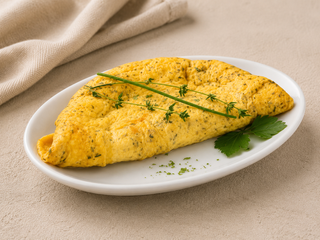
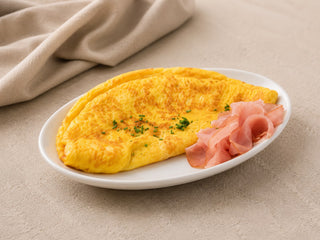
| Day 4 | Omelette from 4 egg whites + 1 whole egg + 50g spinach + 30g grated mature cheese | 150g grilled turkey strips + 200g cucumber salad + 2 tbsp hummus | 200g cod + 300g steamed cauliflower + 100g cooked lentils | 150g Skyr + 10 cashew nuts | 1,290 kcal | 115g |
| Day 5 | 200g quark + 1 tbsp chia seeds + 100g strawberries + 20g flaked almonds | 150g stir-fried prawns + 200g stir-fry vegetables + light soy sauce | 200g chicken breast + 100g sweet potato + 200g green beans | 2 hard-boiled eggs + 30g edamame beans | 1,350 kcal | 124g |
| Day 6 | 2 slices wholemeal bread + 100g Skyr + 50g smoked salmon | 200g cottage cheese + 150g cherry tomatoes + 1 small avocado | 150g lamb fillet + 200g grilled courgette + 80g bulgur wheat | 150g low-fat quark + 15g pumpkin seeds | 1,460 kcal | 119g |
| Day 7 | Protein pancakes (2 eggs + 30g protein powder + 50ml milk) + 100g blueberries | 150g chicken breast + 200g roasted peppers + 80g wholemeal couscous | 200g prawns + 300g stir-fry vegetables + 100g rice vermicelli | 20g almonds + 150g Greek yoghurt (0%) | 1,400 kcal | 126g |
On average, this plan provides 1,373 kcal and 122 grams of protein per day, which is 35% of total energy from protein. For context, the Dutch Nutrition Centre (Voedingscentrum) recommends 0.8 grams of protein per kilogram of body weight for sedentary adults. During weight loss, 1.2 to 1.6 grams per kilogram is more effective for protecting muscle mass.
Adjusting the plan to your calorie needs
1,200 to 1,500 kcal is a conservative target, suited to women of average weight with a light to moderate activity level. Want to eat more without losing the protein structure? Adjust the following three variables.
Need more calories (1,600 to 1,900 kcal)
- Increase your carb portions: swap 75g of rice for 120g (+80 kcal).
- Add a third snack: 200g quark with 1 tbsp nut butter (+180 kcal).
- Use full-fat dairy instead of low-fat: +50 to 80 kcal per portion.
Need fewer calories (under 1,200 kcal)
This isn't recommended without guidance from a dietitian. Below 1,200 kcal, it's nearly impossible to get enough micronutrients. The British Dietetic Association states that VLCDs (very low-calorie diets under 800 kcal) are only medically appropriate under full clinical supervision.
Men and active athletes
Men weighing around 80 kilograms on average often need a target of 1,800 to 2,200 kcal during a calorie deficit. Increase all portion sizes by 30 to 40%. The protein target then rises to 140 to 160 grams per day. The 4-phase system page has a detailed breakdown for each phase.
The shopping list principle: less planning, more structure
Rather than writing a fresh shopping list every day, work with four categories of staple foods. Shop once a week. This cuts the mental load and lowers the chances of impulse buys.
The four categories
- Protein sources (animal): chicken breast (500g), salmon (300g), tuna in water (4 tins), eggs (12), quark/Skyr/yoghurt (1.5kg total), smoked salmon (150g).
- Protein sources (plant-based): chickpeas (2 tins), lentils (1 tin), edamame beans (frozen, 300g), hummus (200g).
- Vegetables (fresh or frozen): broccoli, courgette, peppers, spinach, green beans, stir-fry vegetables. Frozen is nutritionally on a par with fresh, and cheaper.
- Carbohydrates (complex): brown rice, quinoa, wholemeal wraps, sweet potato, bulgur wheat.
With these four categories stocked up, you can fill in the seven days flexibly without straying from the plan.
Quick options versus cooked options
There isn't always 20 minutes to cook. Below are the fastest options for each meal, along with prep time and protein content.
| Meal | Quick option (under 5 min) | Cooked option (10-20 min) | Protein |
|---|---|---|---|
| Breakfast | 200g Skyr + chia seeds + frozen berries | Protein pancakes made from egg + protein powder | 26-32g |
| Lunch | Tinned tuna + cucumber + 1 wrap | Grilled chicken breast + quinoa salad | 28-38g |
| Dinner | Prawns (frozen, 5 min) + frozen vegetables + soy sauce | Pan-fried salmon + rice + steamed broccoli | 32-42g |
| Snack | Hard-boiled egg (prepared in advance) + nuts | Quark with homemade granola | 10-18g |
Meal-prep tips for this weekly menu
Two hours on a Sunday saves you five to six hours spread across the week. Here are the most time-saving steps.
Sunday afternoon: the groundwork
- Cook a large batch of protein. Grilling 600g of chicken breast takes 18 minutes. Divide into four 150g portions and keep in the fridge for three to four days.
- Cook grains in bulk. 300g of dry rice or quinoa is enough for three evening meals. Store in airtight containers.
- Chop your vegetables ahead of time. Cutting peppers, courgette and broccoli and bagging them up saves 8 to 10 minutes a day.
- Hard-boil 6 to 8 eggs. This is the quickest snack you'll have on hand. Keeps for four to five days unpeeled in the fridge.
- Portion out your dairy. Fill containers with 200g of quark or Skyr for breakfast or a snack. Done in two minutes.
Wednesday: a small top-up
By day 3 or 4, the first batch will have run out. Cook a fresh batch of meat or fish (20 minutes) and refill your vegetable containers. Nothing more is required.
Where Bioteïne meal replacements make the plan easier
The plan works perfectly well on its own. But there are three situations where a structured meal replacement makes life considerably easier.
Situation 1: no time for breakfast or lunch
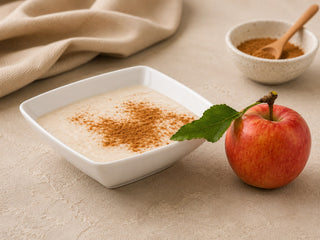
On busy mornings, a Bioteïne protein shake is a straightforward stand-in for the planned breakfast. One shake provides an average of 25 grams of protein for 200 to 250 kcal, fitting exactly within the plan's morning target with no preparation at all.
Situation 2: lunch away from home
Bringing meal-prepped food works, but not always. Bioteïne meals are portioned to match the same protein profile as the lunch options in the plan. They can stand in for day 2's lunch (wraps and tuna) or day 5's lunch (prawns and stir-fry vegetables) without throwing off your calories.
Situation 3: snacks with no preparation
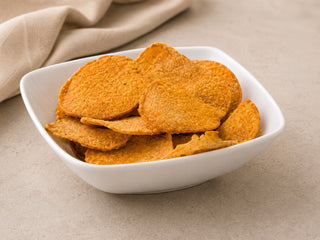
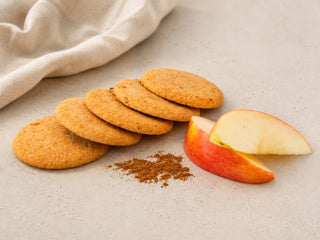
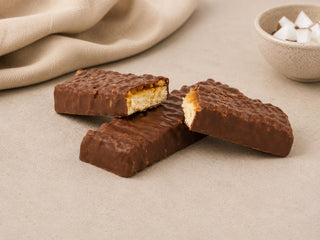
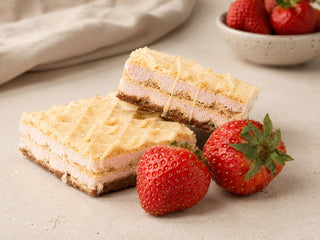
Bioteïne protein bars and Bioteïne protein biscuits slot neatly into snack 1 or snack 2 in the daily plan. They provide 15 to 20 grams of protein per portion for 150 to 200 kcal, comparable to the hard-boiled egg and nuts in the snack column of the table.
Want to try the plan straight away without putting it together yourself?
The Bioteïne starter pack combines shakes, meals and snacks in a ready-made weekly structure. It's designed as a direct way to implement a 7-day protein plan. No searching, no weighing.
For further background on protein intake and weight loss, see this peer-reviewed study in the American Journal of Clinical Nutrition on higher protein intake and energy management.
Frequently asked questions
How much protein do I need per day to lose weight?
For weight loss, 1.2 to 1.6 grams of protein per kilogram of body weight is recommended. For someone weighing 70 kilograms, that's 84 to 112 grams per day. This plan provides an average of 122 grams, which sits at the upper end of that range for optimal muscle retention.
Isn't 1,200 kcal a day too little?
For women with a light to moderate activity level and a calorie requirement of around 1,800 kcal, 1,200 kcal creates a deficit of 600 kcal per day. That's a sensible rate of 0.5 to 0.8 kilograms of loss per week. For men or active people, the plan can be adjusted up to 1,600 to 2,000 kcal.
Can I swap meals within the plan?
Yes. As long as you hit the protein target per meal (25 to 35 grams per main meal) and stay within the daily totals, swapping is no problem. Use the table as a template and adjust it to your availability or preferences.
What if I don't eat meat?
Replace animal protein sources with combinations of Greek yoghurt, quark, Skyr, eggs, tofu, tempeh, chickpeas, lentils and edamame beans. With the right combinations, you can still reach 100 grams of protein a day without meat or fish. The basic structure of the plan stays the same.
How do I use this plan alongside the 4-phase system?
This weekly menu suits phase 1 and phase 2 of the 4-phase system. In phase 1, you work with strict protein intake and calorie control. Phase 2 gradually introduces more calorie variation. Not sure which phase you're in? Take the phase test.
Can I repeat this plan after 7 days?
Yes, the plan is designed to be repeated. Vary with seasonal vegetables and different protein sources where possible to avoid micronutrient shortfalls. After 4 weeks, it's worth recalculating your calorie and protein targets based on your new weight.
How do I combine this plan with exercise?
On training days, add 150 to 250 kcal via a protein-rich snack before or after your workout. A shake made with 25 grams of protein powder in 250ml of milk provides 250 kcal and 32 grams of protein. The rest of the daily plan stays unchanged.
Are frozen vegetables as nutritious as fresh ones?
Yes. Frozen vegetables are frozen at peak ripeness. Fibre and mineral content are nearly identical to fresh. Vitamin C loss from freezing averages 10 to 20%, which is negligible within a varied diet. They're cheaper and quicker to prepare than fresh alternatives.