




Protein and muscle soreness: what does it actually do?
Protein supplies the amino acids your muscles need to repair damaged tissue. Intense training creates tiny tears in muscle fibres. Without enough protein, that repair process slows right down. With an adequate intake, somewhere between 1.6 and 2.2 grams per kilogram of bodyweight per day, you reduce muscle breakdown and support the rebuilding of new tissue.
Muscle soreness after training, known as DOMS (Delayed Onset Muscle Soreness), is directly linked to how well your body recovers. Not every dietary choice makes an equal difference. Protein is the most well-evidenced nutrient for muscle recovery. That's not a marketing claim: a meta-analysis published in the British Journal of Sports Medicine concluded that protein intake after training significantly improves gains in muscle mass and strength in both trained and untrained individuals.
Below, we explain how that process works, when to take protein, and how much per meal actually makes sense.
How muscle recovery works biologically
During strength training or intense cardio, you damage muscle fibres at a microscopic level. This is normal, in fact it's essential for adaptation. The issue is what happens afterwards if you don't provide enough building material.
Your body kicks off two processes at once after training. First, breakdown: damaged protein structures get cleared away. Then, rebuilding: new contractile proteins, mainly myosin and actin, are synthesised. The balance between these two processes determines whether you gain, lose, or maintain net muscle mass.
Dietary protein provides the essential amino acids, particularly leucine, isoleucine and valine (the well-known BCAAs), which serve as the raw material for muscle protein synthesis. Leucine is the most critical of these. Studies show that as little as 2.5 grams of leucine is enough to trigger the anabolic mTOR signalling pathway. That equates to roughly 20-25 grams of high-quality protein from dairy, egg, or a complete protein source.
Chronically under-eating protein means your body simply can't tip the balance towards rebuilding. You train, you feel sore, but you barely get stronger. This pattern is common among people who exercise but never adjust their diet.
Protein timing around training: a practical overview
The popular idea of a 30-minute "anabolic window" after training has been revised by science. That window is wider than once thought, but timing still matters, especially if you train fasted for longer than 90 minutes or exercise twice a day.
| Timing | Recommended protein intake | Purpose | Practical example |
|---|---|---|---|
| 2-3 hours before training | 20-30 g protein | Keep amino acids available during training | Meal with chicken, egg or cottage cheese |
| Within 60 minutes after training | 20-40 g protein | Kick-start muscle protein synthesis, limit breakdown | Protein shake or protein-rich meal |
| Before bed (8-11pm) | 30-40 g protein (slow-release) | Support overnight muscle synthesis | Casein-rich source such as cottage cheese or a shake |
| Spread across the day | 4-5 meals with 20-40 g each | Steady amino acid supply, maximum synthesis | A protein-rich meal every 3-4 hours |
Timing around training matters, but your total daily intake carries more weight. If you're structurally under-eating, perfect timing won't fix that. Get your daily baseline right first, then fine-tune the timing.
For more on calculating your daily protein needs based on your weight and activity level, see the Bioteïne high-protein diet guide.
How much protein per meal for recovery?
There's a practical ceiling. Your muscles can't benefit indefinitely from one large dose of protein. Research points to an optimum of around 0.4 grams of protein per kilogram of bodyweight per meal. For someone weighing 75 kg, that's roughly 30 grams per sitting.
More than 40 grams in one go doesn't automatically translate into greater muscle synthesis. The surplus simply gets used as energy or converted elsewhere. That doesn't mean 50 grams of protein is harmful, but it's no more efficient for muscle recovery than 30 grams, provided you eat well the rest of the day.
The practical takeaway: spread your protein intake across four to five meals a day. Someone weighing 75 kg aiming for 150 grams of protein daily will find it easier to hit that target with five servings of 30 grams than with one serving of 100 grams and scraps the rest of the day.
Which sources work best?
Not all protein sources are equal when it comes to muscle recovery. Two things matter most: biological value and leucine content.
- Whey protein: high biological value, fast absorption, high leucine content. Excellent straight after training.
- Casein: slow release, ideal overnight. Keeps amino acid levels stable for hours.
- Egg: complete amino acid profile, good biological value, versatile.
- Cottage cheese and skyr: a combination of whey and casein, practical and widely available.
- Plant-based sources: work well if you vary them (pair rice with pea or soy protein). Soy is the strongest plant-based option for muscle synthesis.
Not sure where you currently stand with your diet? The Bioteïne phase test helps you work out which schedule and products suit your situation.
Protein, sleep and hydration: the three pillars of recovery
Protein doesn't do its job in isolation. Sleep is when most muscle protein synthesis actually happens. Growth hormone, which drives muscle repair, is largely released during the first hours of deep sleep. If you consistently sleep less than seven hours, your recovery slows down noticeably, regardless of protein intake.
Hydration is directly linked to protein transport. Amino acids travel through the bloodstream to muscle cells. Even a 2 percent fluid deficit noticeably reduces transport efficiency. Drink at least 2 litres of water a day under normal activity levels. During intense training, or in hot conditions, that quickly rises to 3 litres or more.
Carbohydrates deserve a mention too. They're not competing with protein, they work alongside it. Carbohydrates suppress the release of cortisol after training, a hormone that promotes muscle breakdown. Combining 3-4 grams of carbohydrates per kilogram of bodyweight per day with sufficient protein delivers better recovery results than protein alone.
The combination of these three factors, protein, sleep and hydration, determines how quickly your soreness fades and how quickly you get stronger. None of the three can be skipped.
Myths about protein and muscle recovery
Myth: only shakes work after training
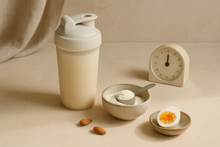
Not true. A shake is convenient, but not magic. If you eat a regular meal with enough protein within 60 minutes of training, you'll get the same result. Shakes are popular because they're quick to prepare, not because they're biologically superior to ordinary food. Choose a shake if you don't have time for a proper meal, not because you think nothing else will work.
Myth: more protein always means less muscle soreness
Protein supports recovery, but it doesn't eliminate soreness altogether. DOMS is partly an inflammatory response, and that response serves a purpose: it signals adaptation. Even on a perfect protein diet, you'll still feel sore after a new training stimulus. The difference lies in how long and how intense the soreness is, not in switching it off entirely.
Myth: plant-based protein doesn't work for muscle recovery
A persistent misconception. Plant-based protein works well if you combine the right sources and hit a sufficient total intake. Soy has an amino acid profile comparable to whey. Potato protein is surprisingly effective. The only real difference is that with some plant sources you need slightly more grams of protein to reach the same leucine threshold, since leucine content per gram of protein is lower.
Myth: protein supplements are essential if you exercise
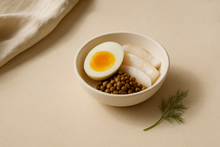
For most people, ordinary food covers protein needs perfectly well. Two eggs, a pot of cottage cheese, a chicken breast and some pulses spread across the day already adds up to 80-100 grams of protein. Supplements are a top-up for people who struggle to hit their daily target through regular food, not a requirement for everyone who trains.
Bioteïne post-workout: shakes and bars for recovery
If you want a quality protein source quickly after training, there are situations where a supplement is simply the most practical choice. After a fasted morning session, or after an evening workout when cooking isn't appealing.
The Bioteïne protein shakes deliver an average of 25-30 grams of protein per serving, with low sugar content and a calorie density that fits within a mindful eating pattern. They're designed for people who take their nutrition seriously, without flashy flavour promises or unnecessary additions.
For on the go, the Bioteïne protein bars are a good alternative. Around 20 grams of protein per bar, portable, no need for refrigeration. Not a replacement for a full meal, but a practical recovery option when you don't have time for anything more substantial.
You can also browse the full range in the Bioteïne starter pack if you'd like a first impression of the product range without having to make individual choices.
The Voedingscentrum guidelines on protein offer a solid baseline. For adults who exercise regularly, recommendations sit above the standard 0.8 g/kg/day. Combine that guideline with your own training volume to set a realistic daily target.
Frequently asked questions
Does protein really help with muscle soreness after exercise?
Protein reduces the duration and intensity of muscle soreness by supporting the recovery process. It doesn't eliminate DOMS entirely. Research shows that adequate protein intake, above 1.6 grams per kilogram of bodyweight per day, demonstrably speeds up recovery compared with a low protein intake.
How much protein do I need after exercise?
For most athletes, 20-40 grams of protein within 60 minutes of training is a sound practical guideline. Someone weighing 70 kg benefits from around 28 grams straight after training. Total daily intake of 1.6-2.2 grams per kilogram matters more than the exact timing.
When's the best time to take protein for recovery?
The period straight after training matters, but it's not the only one. Protein before bed (30-40 grams of casein) supports overnight muscle synthesis. Spreading intake across the day, over four to five meals, gives the best results for long-term recovery.
Do protein shakes work better than ordinary food for muscle recovery?
No. Shakes offer convenience and speed, but a regular meal with enough protein has the same effect. Choose a shake if you don't have time for a meal after training. If you can sit down to eggs and cottage cheese instead, that works just as well.
Is plant-based protein good enough for muscle recovery?
Yes, provided you combine the right sources and hit a sufficient total intake. Soy is the strongest plant-based option. Combinations of rice and pea protein also work well. Bear in mind you may need a slightly higher total gram intake to reach the same leucine threshold as with animal protein.
How long does muscle recovery take with adequate protein?
With adequate protein intake and good sleep, most muscle damage from an average training session recovers within 24-48 hours. Heavy training or unfamiliar movements can take 72 hours or more. Protein speeds up that process, but it doesn't eliminate the recovery period entirely.
Does sleep affect how protein works for muscle recovery?
Significantly. Growth hormone, the main anabolic hormone, is released predominantly during deep sleep. Sleeping less than seven hours noticeably slows muscle recovery, regardless of protein intake. Protein and sleep reinforce each other, both are needed for optimal recovery.
What's the difference between whey and casein for recovery?
Whey protein is absorbed quickly, making it effective straight after training. Casein is a slow-release source that releases amino acids gradually over four to seven hours. That makes casein better suited to taking before bed, to limit overnight muscle breakdown.