









Can you target belly fat with protein?
No, targeted belly fat loss simply doesn't exist. No nutrient, exercise or supplement burns fat from one specific spot on your body. What does work is a consistent calorie deficit combined with adequate protein intake. Protein protects your muscle mass while you're losing weight, boosts satiety and raises your overall energy expenditure. The result is fat loss across your whole body, belly fat included.
Subcutaneous fat versus visceral fat: what's the difference?
Not all belly fat behaves the same way. There are two types, and they respond very differently inside the body.
Subcutaneous fat
This is the fat you can physically pinch. It sits just under the skin around the stomach, hips and thighs. It's less metabolically active. Subcutaneous fat is visible, but relatively less harmful to long-term health.
Visceral fat
Visceral fat sits deeper within the abdominal cavity, surrounding organs such as the liver, pancreas and intestines. It's metabolically active and releases inflammatory compounds linked to insulin resistance, type 2 diabetes and cardiovascular disease. According to the Dutch Nutrition Centre (Voedingscentrum), a waist circumference above 88 cm for women and above 102 cm for men is a warning sign for health complications.
Visceral fat responds more readily to a calorie deficit than subcutaneous fat does. That's good news: if you diet and exercise consistently, you'll shed a proportionally large amount of visceral fat first. Protein plays a supporting role in this process, which we'll explain below.
Why protein helps with fat loss
Protein isn't a fat-burner in itself. But it influences three mechanisms that structurally support fat loss.
1. Higher thermogenesis
Your body spends energy digesting food. With protein, that effect is substantial: 20-30% of the calories from protein are lost as heat during digestion. For carbohydrates it's 5-10%, and for fats just 0-3%. At an intake of 150g protein a day, this represents an extra 120-180 kcal burned daily, with zero additional effort.
2. Better satiety
Protein triggers the release of satiety hormones such as GLP-1 and PYY, while suppressing the hunger hormone ghrelin. The practical effect: you eat less without feeling hungry. A study published in The American Journal of Clinical Nutrition found that raising protein intake from 15% to 30% of total calories led to a spontaneous reduction in calorie intake averaging 441 kcal per day.
3. Preserving muscle mass
During a calorie deficit, the body breaks down both fat and muscle. Without enough protein, muscle loss becomes disproportionate. Less muscle means a lower resting metabolism, which sabotages weight loss over the long run. The British Dietetic Association recommends 1.2-1.6g of protein per kg of bodyweight per day during active fat loss. For someone weighing 80kg, that's a minimum of 96-128g protein daily.
Wondering how much protein suits your current phase? Take a look at the Bioteïne high-protein diet guide for a complete overview of calculations and guidelines.
Do's and don'ts for losing belly fat
| Do | Don't |
|---|---|
| Aim for 1.2-1.6g protein per kg bodyweight per day | Assume ab exercises burn belly fat |
| Create a calorie deficit of 300-500 kcal per day | Follow crash diets under 800 kcal per day without supervision |
| Spread protein intake across 3-5 meals a day (25-40g per meal) | Rely on detox teas or belly-fat-burning supplements |
| Combine nutrition with strength training 2-3 times a week | Skip meals to "make up" for calories |
| Sleep 7-9 hours a night for hormonal balance | Ignore stress levels (cortisol drives fat storage around the belly) |
| Measure waist circumference weekly alongside weight | Weigh yourself daily and react to normal fluctuations |
The role of exercise, sleep and stress
Nutrition accounts for the biggest share of your results, but three other factors determine whether those results stick.
Exercise
Strength training beats cardio alone for preserving muscle mass during fat loss. Two to three sessions a week stimulate protein synthesis and raise your resting metabolic rate. Cardio (30 minutes at moderate intensity, 3-5 times a week) widens your calorie deficit and improves insulin sensitivity, which directly contributes to less visceral fat.
Sleep
Sleep deprivation raises ghrelin (the hunger hormone) and lowers leptin (the satiety hormone). Research from the University of Chicago found that participants sleeping just 5.5 hours lost 55% less fat than those sleeping 8.5 hours, despite an identical calorie deficit. Sleep isn't a luxury, it's a functional factor in fat loss.
Stress and cortisol
Chronic stress raises cortisol levels. Cortisol encourages fat storage in the abdominal cavity, particularly visceral fat. Managing stress, whether through breathing techniques, walking or building more structure into your day, has a direct effect on where your body loses fat from.
Myths about losing belly fat
Myth 1: Ab exercises burn belly fat
Crunches and sit-ups strengthen the abdominal muscles, but they don't burn fat from that specific area. Spot reduction has been disproven in multiple controlled studies. Your abs only become visible once your body fat percentage is low enough, not because you've trained them.
Myth 2: Detox teas and belly-fat supplements work
There's no scientific evidence that commercial detox products reduce visceral fat. Many of these products contain laxative ingredients (such as senna) that cause temporary weight loss through fluid loss, not fat loss. Your liver and kidneys handle detoxification on their own, no tea required.
Myth 3: Carbohydrates cause belly fat
Carbohydrates don't cause fat storage on their own. A calorie surplus does. Wholegrain carbohydrates combined with sufficient protein actually support stable blood sugar and reduced fat storage. Drastically cutting carbs can work in the short term, but it isn't sustainable for most people.
Myth 4: Fasting alone is the answer to stubborn belly fat
Intermittent fasting can be a useful tool for achieving a calorie deficit. It's not a magic fix for visceral fat. The mechanism is the same: fewer calories, less fat. The method matters far less than the consistency.
A realistic pace: how much belly fat can you lose per week?
A safe and sustainable rate of fat loss is 0.5-1kg per week. At a calorie deficit of 500 kcal per day, you'll lose roughly 0.5kg of fat weekly (3,500 kcal equals 1kg of fat). Waist circumference typically drops 1-2cm every 2-3 weeks with consistent effort.
After 12 weeks of consistent effort (calorie deficit, 1.4g protein per kg, and strength training three times a week), a reduction of 4-8kg in bodyweight is realistic, with a significant portion coming from visceral fat. Waist circumference can drop by 5-10cm over that period, depending on your starting point.
Losing weight faster than 1kg a week tends to come with muscle loss and hormonal disruption. That slows your metabolism and makes rebound weight gain more likely.
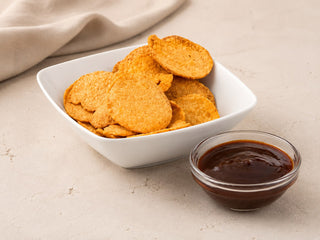
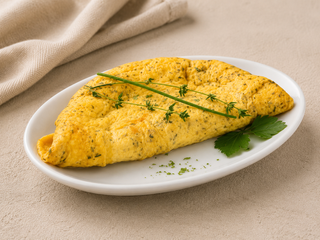
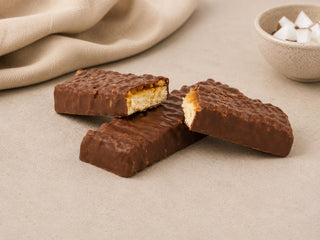
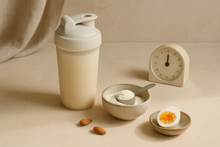
A solid protein product line-up makes it easier to hit your protein target every day without much planning. Have a look at the Bioteïne shakes, the high-protein meals and the protein bars as a practical addition to your daily menu.
How Bioteïne's phases support structural fat loss
Eating protein at random without a plan delivers far less than a structured approach. The Bioteïne 4-phase system is built around the physiology of fat loss: a starting phase with high protein intake and a modest calorie deficit, followed by progressive phases that counter metabolic adaptation.
Each phase has its own protein target, calorie range and matching product choices. That prevents the two most common mistakes people make dieting on their own: too little protein early on (leading to muscle loss) and staying too long in a calorie range that's too low (which slows the metabolism).
Not sure which phase you're in? The Bioteïne phase test gives you a personalised starting recommendation in under 2 minutes, based on your current weight, goal and eating pattern. Also check out the starter pack for a complete first step.
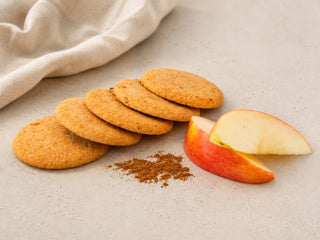
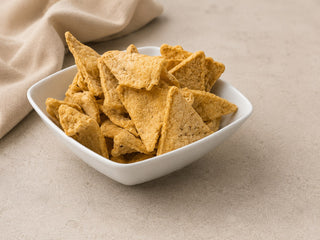
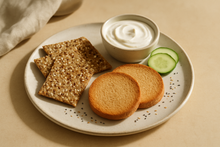
For snacks that keep you full and contribute to your daily protein target, the protein biscuits and protein snacks are practical options that fit within a calorie deficit too.
Frequently asked questions
Can you target belly fat with specific exercises?
No. Spot reduction doesn't exist. Ab exercises strengthen the muscles underneath the fat, but they don't burn fat from that location. Fat loss happens across the whole body via a calorie deficit. Genetics, not exercise choice, determines the order in which fat disappears.
How much protein do you need daily to lose belly fat?
The British Dietetic Association recommends 1.2-1.6g protein per kg bodyweight per day during active fat loss. For someone weighing 75kg, that's 90-120g daily. Spread that across 3-5 meals of 25-40g protein each for optimal protein synthesis.
What is visceral fat and why is it dangerous?
Visceral fat sits deep within the abdominal cavity around your organs. It releases inflammatory compounds linked to insulin resistance, type 2 diabetes and cardiovascular disease. A waist circumference above 88cm (women) or 102cm (men) is considered a warning sign. It responds well to a calorie deficit.
How quickly do you lose belly fat on a healthy diet?
At a calorie deficit of 500 kcal per day, you'll lose an average of 0.5kg of fat per week. Waist circumference drops roughly 1-2cm every 2-3 weeks. After 12 weeks of consistent effort, a reduction of 4-8kg in bodyweight and 5-10cm in waist circumference is realistic for most people.
Does detox tea work against belly fat?
No. There's no scientific evidence that detox products reduce visceral fat. The weight loss some people report is fluid loss caused by laxative ingredients, not fat loss. Your liver and kidneys manage detoxification themselves, without any help from commercial tea products.
What role does sleep play in losing belly fat?
Sleep deprivation raises the hunger hormone ghrelin and lowers leptin. Research shows participants sleeping 5.5 hours lost 55% less fat than those sleeping 8.5 hours, given an identical calorie deficit. Seven to nine hours of sleep a night is a genuine functional factor in fat loss.
Does strength training help more than cardio for losing belly fat?
Strength training protects muscle mass during a calorie deficit and raises your resting metabolic rate. Cardio widens your calorie deficit and improves insulin sensitivity. Combining both is more effective than either alone. Two to three strength sessions and three to five cardio sessions a week is a proven approach.
What's the best way to start a high-protein diet for fat loss?
First, work out your protein needs based on bodyweight (1.2-1.6g per kg per day). Aim for a calorie deficit of 300-500 kcal per day. Spread your protein across several meals. Use the Bioteïne phase test for a personalised starting recommendation based on your own situation.