
Whey, casein or plant-based: the short answer
Whey is absorbed quickly, peaking within 60-90 minutes, and delivers amino acids to muscle tissue almost immediately. Casein digests slowly over 5-7 hours, which makes it well suited to overnight use. Plant-based protein is the logical choice if you're lactose intolerant or following a vegan diet, provided the amino acid profile is complete.
Which variant works best for you comes down to three things: your goal (muscle maintenance, weight loss, recovery), your timing (straight after training or as a bedtime shake), and how well you tolerate dairy. Below is the full comparison.
Comparison table: whey, casein and plant-based protein
| Feature | Whey | Casein | Plant-based (blend) |
|---|---|---|---|
| Absorption speed | Fast: 60-90 min | Slow: 5-7 hours | Moderate: 2-4 hours |
| BCAA content | ~26% of protein | ~20% of protein | ~15-22% (depending on source) |
| Leucine per 30g | ~2.7g | ~2.3g | ~1.8-2.3g (blend) |
| Complete amino acid profile | Yes | Yes | Only as a blend (e.g. pea + rice) |
| Suitable for lactose intolerance | Whey isolate: often yes | No | Yes |
| Suitable for a vegan diet | No | No | Yes |
| Best time to use | Post-workout, morning | Before bed | Flexible, including post-workout |
| Protein content per 100g powder | 70-90g | 75-85g | 60-80g (blend dependent) |
The table makes one thing clear: there's no outright winner. Context determines the choice.
When to choose which variant
Whey: straight after exercise
Whey is a by-product of cheese production and consists largely of soluble proteins. Its rapid absorption isn't a marketing claim but a mechanism documented in numerous studies, including a widely cited paper in the American Journal of Clinical Nutrition (2012). The peak in blood amino acids after whey intake is significantly higher than after casein, which supports muscle building directly after training.
In practice, this means taking whey within 30 to 45 minutes of finishing your workout. A 30g whey shake provides around 24g of protein and 120 kcal, which fits into almost any daily routine.
Choose whey if your main goal is maintaining or building muscle after strength training or cardio. Opt for whey isolate if you're sensitive to lactose, as the processing removes most of the milk sugar.
Casein: overnight recovery
Casein forms a gel-like substance in the stomach, which slows the release of amino acids. That might sound less efficient, but this steady, slow release is precisely its advantage. Research from Maastricht University found that taking casein before bed improved overnight protein synthesis by 22% compared with a placebo.
For anyone aiming for more than 1.6g of protein per kg of body weight per day, casein is a practical addition to an evening routine. A 40g serving of casein powder delivers roughly 28-30g of protein and keeps you supplied for 5 to 7 hours.
The downside: the taste and texture are thicker than whey, which not everyone enjoys. As a liquid shake, casein works less well than when mixed into a pudding or overnight oats.
Plant-based protein: more than just an alternative
Plant-based protein has long had a reputation for being inferior. That's true for single-source proteins. Rice protein lacks lysine. Pea protein lacks methionine. But combining the two gives an amino acid profile comparable to whey, with a leucine content of around 2.1-2.3g per 30g of powder.
The British Dietetic Association confirms that well-composed plant-based protein sources can provide all essential amino acids, provided there's enough variety. A blend is therefore the only plant-based option worth considering seriously if muscle maintenance is your goal.
Curious which phase of your diet you're currently in? The Bioteïne phase test gives you a clear picture of your protein intake versus your needs in just five minutes.
Combining whey and casein: worthwhile or not
There's a common idea that mixing whey and casein gives you the "best of both worlds". It's partly true. A blend of 70% whey and 30% casein produces a faster initial peak alongside a longer tail of amino acids in the bloodstream. Some athletes use this as a meal-replacement shake during the day.
The practical benefit: casein makes the shake slightly thicker and more filling, which helps manage appetite, useful if you're in a calorie deficit.
Is it necessary? No. If you train during the day and have a casein shake before bed, you've already covered both bases. Combining the two is an optimisation, not a requirement. Start by getting your total protein intake right first. That has more impact than perfecting the timing.
Lactose intolerance and protein shakes
Lactose intolerance affects an estimated 65% of the world's population to varying degrees. For shakes, there are three practical options.
- Whey isolate: most of the lactose is filtered out. Many people with mild intolerance tolerate this without issues. Protein content: 85-90g per 100g of powder.
- Whey hydrolysate: already pre-digested, with minimal lactose. Higher price. Slightly bitter aftertaste.
- Plant-based protein: completely lactose-free. The safest choice for severe intolerance or an allergy to milk protein (not the same as lactose intolerance).
Casein is the most problematic choice here. It's entirely dairy-based and, by definition, contains milk proteins. For a confirmed milk protein intolerance or allergy, casein isn't an option, regardless of its benefits for overnight recovery.
Not sure which profile suits you? The Bioteïne high-protein diet guide has an overview of daily schedules for different goals and tolerances.
Taste, usability and price compared
Being honest about taste and price matters more than you might think. A powder you don't enjoy is one you won't use consistently, and consistency is exactly what delivers results.
| Factor | Whey | Casein | Plant-based blend |
|---|---|---|---|
| Texture in a shake | Thin, smooth | Thick, creamy | Slightly grainy, depending on blend |
| Flavour options | Wide range | Limited, mostly chocolate/vanilla | Growing range, sometimes earthy |
| Price per gram of protein | Low to average | Average to high | Average, higher for premium blends |
| Shelf-stable without refrigeration | Yes | Yes | Yes |
| Mixability (with water only) | Good | Fair | Variable, blends mix better |
Plant-based protein had a reputation problem on taste for years. Modern blends (pea, rice, hemp, sunflower seed) have improved considerably, though that's not true of cheaper single-source options. Always check the ingredients list: a blend of at least two sources is the standard you should expect.
Price per gram of protein is the relevant figure, not the price per tub. A 1kg tub with 70g of protein per 100g gives you 700g of usable protein. Work that back to the price per serving before you buy.
Bioteïne shakes: which one suits your situation
Bioteïne develops protein shakes that meet the standards of a clinically sound protein diet. No unnecessary additions, no vague blends. Every product states the protein per serving, the calorie density and its suitability per phase.
The shakes in the Bioteïne shake collection come in variants suited to both the active protein phase and the maintenance phase. Pay particular attention to the nutritional values per serving: at least 20g of protein per shake is the benchmark for effective use.
Want to get started with a structured protocol straight away? The Bioteïne starter pack includes shakes and complementary products that together form a complete daily schedule, so you don't have to work out what's still missing from your daily protein intake yourself.
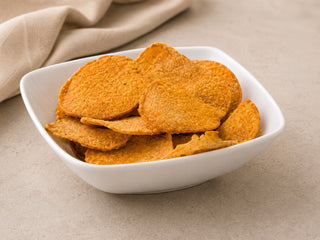
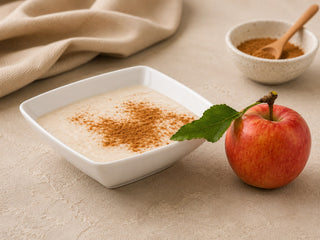
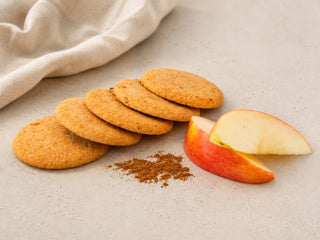
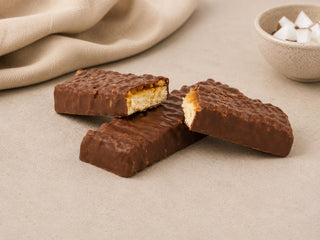
Alongside shakes, there are also high-protein bars, complete protein meals and protein snacks available for moments when a shake isn't practical. Variety in product format helps with long-term adherence, something the Dutch Nutrition Centre also recognises as a factor in sticking to a diet.
Not yet sure which phase of the protein diet suits your situation best? The phase test helps you work that out in five questions.
Frequently asked questions
What's the difference between whey concentrate and whey isolate?
Whey concentrate contains 60-80g of protein per 100g and more fat and lactose. Whey isolate contains 85-90g of protein per 100g, less fat and barely any lactose. For lactose intolerance, isolate is the better choice. The price difference averages 15-25% per kilogram.
Can I use casein during the day as well?
Yes, but it's less efficient than whey if you want to deliver amino acids quickly straight after training. During the day, casein works well as a meal replacement or snack, since its slow digestion keeps you satisfied for longer. Its thick texture makes it less suited to a regular shake.
Is plant-based protein less effective for building muscle?
Single-source plant proteins perform less well due to an incomplete amino acid profile. A pea-rice blend achieves a leucine content comparable to whey. A 2021 meta-analysis found no significant difference in muscle mass gains between a good plant-based blend and whey in trained athletes.
How much protein do I need per day?
The baseline for an active person is 1.6g of protein per kg of body weight per day. For weight loss or strength training, this can rise to 2.0-2.2g per kg. A 75kg person would then need 120 to 165g of protein per day. Food and shakes together make up that total.
What's the best time for a protein shake?
Post-workout is most effective for muscle building: within 30-45 minutes. Casein works best 30 minutes before bed. During the day, timing matters less than the total amount. If you're not hitting your daily protein target through food, it's best to top up whenever suits you.
Are protein shakes suitable as a meal replacement?
A shake with 20-30g of protein and 150-250 kcal isn't a complete meal. As a meal replacement, you need a product that also provides enough fibre, fats and micronutrients. Specific protein meals are designed for that purpose. A standalone shake is a supplement, not a substitute for a full meal.
What's the benefit of a protein blend over a single source?
A blend of multiple protein sources covers both the fast and slow absorption windows. Plant-based blends fill in the amino acid gaps of single sources. Whey-casein blends provide a broader release of amino acids over several hours. For daily use, a blend is more flexible and filling than a single source.
How do I know which shake suits my diet phase?
That depends on your current protein intake, your goal, and whether you're in an active weight-loss phase or a maintenance phase. The Bioteïne phase test asks five targeted questions and gives concrete advice based on your answers. That's a far better starting point than choosing a product based on flavour preference alone.