
More protein, fewer fast carbs: what protein pasta and protein bread actually do
Protein pasta and protein bread typically contain 20 to 30 grams of protein per 100 grams dry weight, against 3 to 5 grams in standard versions. Carbohydrate content comes in 30 to 50 percent lower. They stand in for your usual pasta or bread without requiring a complete overhaul of your eating habits. Useful, yes. Magic, no.
Plenty of people abandon a protein diet because they miss their regular meals. A bowl of pasta after a long day. Toast in the morning. These aren't bad habits as such, they're just deeply ingrained ones. Protein pasta and protein bread work around that: you keep the familiar shape of your meal while shifting the macro balance in your favour.
Whether that's enough to shift weight depends on how you eat for the rest of the day. Below, we look at what the numbers actually say, how these products are made, and when they do or don't have a place in a structured protein diet.
Nutritional values compared: protein pasta and protein bread versus standard versions
The differences are real, but less dramatic than marketing sometimes suggests. An 85 gram (dry) serving of protein pasta gives you considerably more protein than ordinary pasta, but it still contains carbohydrates. See the table below.
| Product | Serving (dry/raw) | kcal | Carbohydrates (g) | Protein (g) | Fibre (g) |
|---|---|---|---|---|---|
| Regular pasta (white) | 85 g | 300 | 60 | 10 | 2 |
| Wholemeal pasta | 85 g | 295 | 55 | 12 | 7 |
| Protein pasta (wheat/pea) | 85 g | 285 | 35 | 23 | 5 |
| Regular white bread | 2 slices (70 g) | 175 | 33 | 6 | 1 |
| Wholemeal bread | 2 slices (70 g) | 165 | 28 | 8 | 4 |
| Protein bread (lupin/soya) | 2 slices (70 g) | 155 | 12 | 18 | 6 |
What stands out is how close the calorie counts are. The difference isn't primarily about energy density, it's about the macro split. With protein pasta, you're shifting roughly 25 grams from carbohydrates to protein. With protein bread the gap is even wider: from 33 down to 12 grams of carbohydrates per two slices. That matters if you're trying to stay fuller for longer or keep your blood sugar on a more even keel.
Research published in the American Journal of Clinical Nutrition (2015) confirms that a higher protein intake raises the satiety hormones GLP-1 and PYY, while ghrelin, the hunger hormone, drops. In practice, this means you stay fuller for longer after a protein-rich meal than after a carbohydrate-rich one with identical calories.
How are protein pasta and protein bread made?
Most protein pastas combine wheat flour with pea protein, soya protein, or lupin flour. The ratio determines the final protein percentage. A pasta made with 40 percent pea protein isolate can easily reach 20 grams of protein per 85 gram serving. Some versions use chickpea or lentil flour as a base instead, which also brings more fibre and a lower glycaemic index.
Protein bread works a little differently. Most recipes replace part of the grain flour with lupin flour, almond flour, or soya protein. Lupin flour is particularly interesting: it's low in carbohydrates (around 10 percent) and high in protein (around 40 percent). That combination makes it possible to bake bread with under 5 grams of carbohydrates per slice, without losing the texture entirely.
Do check the ingredients list, though. Some products are labelled "protein bread" but are mostly wheat flour with a small amount of added whey protein thrown in. That might add 2 or 3 extra grams of protein per slice at best. That's not a carb swap, that's just bread with clever packaging.
Do they fit into phase 1, or only later?
This is where things get more nuanced. If you're following a structured protein diet with a strict starting phase (such as Bioteïne's 4-phase system), protein pasta and protein bread aren't always suitable for phase 1.
The first weight-loss phase is all about maximising protein and minimising carbohydrates. There's a reason for that: when carbohydrate intake drops below roughly 50 grams a day, the body switches to fat as its primary fuel source. A single serving of protein pasta already contains 35 grams of carbohydrates. Add vegetables and a protein source on top, and you're quickly at or over that threshold.
Lupin-based protein bread can sometimes fit into phase 1 under certain protocols, since its carbohydrate content is low enough. But even then, check your total daily intake rather than just judging the product on its own.
Not sure which phase you're currently in? The Bioteïne phase test gives you clarity in a few minutes on where you stand and what suits you best.
From phase 2 or 3 onwards, once carbohydrates are being reintroduced in a controlled way, protein pasta and protein bread become genuinely useful stepping stones. They give you the texture and comfort of familiar meals while keeping the macro balance in check. That's exactly what they're designed for.
Pitfalls: where it tends to go wrong
Three pitfalls come up time and again.
1. Portion creep
Protein pasta feels lighter than ordinary pasta. It has a less filling texture. As a result, many people unconsciously dish up a bigger portion. Going from 85 grams to 120 grams is already 40 percent more carbohydrates and calories. Weigh your portions, especially in the early stages.
2. What you add matters more
A cream sauce with 600 kcal doesn't make protein pasta any healthier. The product itself is only one part of the meal. The sauce, the toppings, what goes on top: these often matter more than the base product itself. A rich pasta sauce loaded with cream and cheese makes even protein pasta calorie-dense.
3. The carbohydrates haven't disappeared
35 grams of carbohydrates per serving of protein pasta is lower than usual, but it's not low-carb. Anyone who convinces themselves that protein pasta "barely has any carbs" is giving their diet a false sense of security. Treat it as a sensible improvement, not a free pass.
You can read more about how carbohydrates and protein work together for weight loss in the Bioteïne high-protein diet guide.
Recipe ideas with protein pasta and protein bread
Protein pasta and protein bread aren't an end goal in themselves. They work best as a base ingredient within meals that also stack up well on other macros.
Protein pasta with tuna and spinach
Cook 85 grams of protein pasta (penne or fusilli works well). Briefly fry 150 grams of tinned tuna (in water, drained) with garlic and cherry tomatoes. Add a handful of spinach and let it wilt. Mix through the pasta. Total: roughly 480 kcal, 40 grams of protein, 35 grams of carbohydrates. No sauce required.
Protein bread with quark and smoked salmon
Two slices of protein bread (lupin-based) with 100 grams of low-fat quark and 50 grams of smoked salmon. Black pepper, a squeeze of lemon. Total: roughly 290 kcal, 34 grams of protein, 14 grams of carbohydrates. A lunch that will keep you satisfied for three to four hours.
Toasted protein bread with egg and avocado
Toast the bread. Top with a poached or fried egg. Half an avocado, sliced. Total: roughly 340 kcal, 24 grams of protein, 16 grams of carbohydrates. A functional breakfast, ideal if you're pushed for time.
The principle stays the same throughout: pair the protein product with an extra protein source (egg, fish, pulses, quark) and go easy on calorie-dense extras.
Bioteïne meals as an alternative or addition
Cooking with protein pasta and protein bread yourself takes time and planning, and that's not realistic every single day. For the days it doesn't come together, or if you'd rather have your macros dialled in without doing the maths yourself, the Bioteïne meals are a straightforward option.
The meals in the Bioteïne range are built around a specific protein threshold per portion, matched to the different phases of the diet. That means you don't need to spend time calculating macros or hunting down the right ingredients. The ratio of protein, carbohydrates and calories is already fixed.
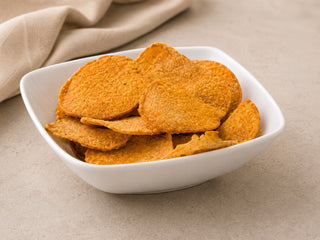
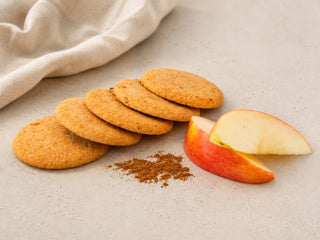
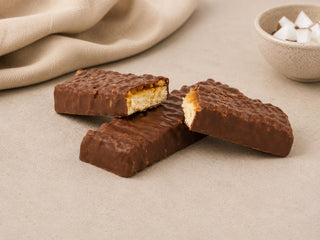
If you prefer to snack between meals, take a look at the protein bars or protein biscuits to round out a day of home-cooked meals. What counts is your total daily intake, not any single product.
If you're just starting out and want to see what a full protein diet looks like in practice, the Bioteïne starter pack is a clear way to begin without having to improvise.
The British Dietetic Association (BDA) points out that structure and consistency are the strongest predictors of successful long-term weight loss. Products like protein pasta and protein bread can support that structure, provided you use them thoughtfully.
Frequently asked questions
Does protein pasta actually help with weight loss?
Protein pasta contains more protein and fewer carbohydrates than ordinary pasta, which boosts satiety and limits blood sugar swings. That supports weight loss, but only if your total daily calorie and carbohydrate intake is also on track. The product on its own is no guarantee.
How many carbohydrates does protein bread contain?
This varies considerably by brand and recipe. Lupin flour-based protein bread can come in at 4 to 6 grams of carbohydrates per slice. Wheat-based versions with added protein often still contain 12 to 15 grams per slice. Always check the nutrition label per 100 grams.
Can I eat protein pasta in phase 1 of a protein diet?
In most strict starting phases, protein pasta is too high in carbohydrates. An 85 gram serving already contains 35 grams of carbohydrates. If your daily limit sits at 50 grams, there's little room left for anything else. Lupin-based protein bread is sometimes permitted. Use the phase test for personalised advice.
Is protein bread suitable for people with gluten intolerance?
Not as standard. Most protein breads are based on wheat flour, even when part of it is replaced with lupin or almond flour. Gluten-free versions based on rice protein or almond flour do exist, but they're less common. Always check the packaging for allergens.
What's the difference between protein pasta and regular wholemeal pasta?
Wholemeal pasta contains more fibre than white pasta, but the protein difference is small (12 versus 10 grams per serving). Protein pasta delivers 20 to 25 grams of protein per serving and fewer carbohydrates. For a targeted protein diet, protein pasta is the better choice. Wholemeal pasta is nutritious, but it isn't a protein source.
Can you eat protein pasta every day while dieting?
You can, provided the rest of your day is balanced too. Variety is still sensible: you get the best mix of protein and micronutrients from multiple sources. Protein pasta as your daily base carbohydrate is a solid improvement over regular pasta, but alternate it with vegetables, pulses and other protein sources.
Are protein pasta and protein bread fibre-rich enough for good digestion?
Better than white pasta or white bread, yes. Chickpea or lentil-based protein pasta contains 5 to 8 grams of fibre per serving. Lupin-based protein bread comes in at 4 to 6 grams per two slices. That supports healthy digestion, especially alongside plenty of water and vegetables.
How do I work out how much protein pasta I need per meal?
Weigh it dry, not cooked. Pasta roughly doubles in weight during cooking, which can be confusing. An 85 gram dry serving comes to around 170 grams once cooked. That works out to 23 grams of protein and 35 grams of carbohydrates. Adjust your portion to your daily protein target, which for most adults falls between 1.2 and 1.6 grams per kilogram of body weight.