
A high-protein wrap or bowl for lunch: what's the benefit?
A high-protein wrap or bowl with at least 25 grams of protein per portion keeps you satisfied until dinner, prevents a blood sugar dip around 3pm, and protects muscle mass during a calorie-restricted diet. The combination of a protein source, vegetables and a controlled amount of carbohydrates typically comes to 350 to 500 kcal per meal.
Lunch is where things tend to go wrong for a lot of people. A sandwich with too little protein, a hurried snack, and before you know it you're getting through the afternoon on coffee and something sweet from the bakery. A properly built bowl or wrap tackles this pattern at the root.
Comparison: 8 wraps and bowls with their protein content
The table below gives a realistic overview of popular lunch wraps and bowls. Portions are based on an average lunch serving (1 wrap or 1 bowl, roughly 350 to 450 grams total). Protein values are calculated using standard nutrition data from the Voedingscentrum.
| Dish | kcal | Protein (g) | Carbs (g) | Note |
|---|---|---|---|---|
| Chicken and avocado wrap (wholemeal wrap) | 420 | 32 | 34 | Good balance, watch the avocado portion |
| Greek yoghurt bowl with chicken and quinoa | 460 | 38 | 36 | High in protein, quinoa raises the carb count |
| Tuna and cucumber wrap (wholemeal) | 370 | 28 | 32 | Quick to prepare, low in saturated fat |
| Edamame rice bowl with tofu | 490 | 26 | 52 | Plant-based, but high in carbohydrates |
| Egg and spinach wrap (lettuce wrap or high-protein tortilla) | 310 | 22 | 18 | Lower in protein, add cottage cheese |
| Salmon and avocado bowl with cauliflower rice | 395 | 34 | 12 | Low in carbohydrates, rich in omega-3 |
| Quark and turkey wrap (lettuce as tortilla) | 290 | 31 | 8 | Low-carb, ideal for phase 1 and 2 |
| Chickpea and feta bowl with bulgur | 475 | 24 | 58 | Plant-based, pair with an extra protein source |
The 25-gram protein threshold per lunch isn't an arbitrary figure. Research published in the American Journal of Clinical Nutrition shows that meals containing at least 25 to 30 grams of protein significantly affect the appetite-regulating hormones ghrelin and GLP-1, with a demonstrable effect on satiety for four to five hours after eating.
Want to know which protein level suits your situation? The Bioteïne phase test helps you work that out in two minutes.
Low-carb wrap options that actually work
A standard wholemeal tortilla delivers 28 to 35 grams of carbohydrates on average. For anyone deliberately limiting carbs, that's a significant chunk of the daily budget, especially if the filling itself contains carbs from rice, quinoa or corn.
There are better alternatives.
- Lettuce wrap (iceberg or large romaine leaves): practically zero carbohydrates, fresh in flavour, no more than 5 kcal per leaf. Works well with hearty fillings such as chicken, tuna or egg.
- High-protein tortilla: commercially available with roughly 15 grams of protein per wrap and 12 to 16 grams of carbohydrates. Check the ingredients list: soya, wheat gluten or chickpea flour are the usual protein sources.
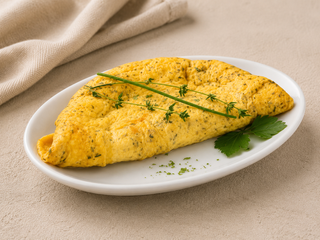
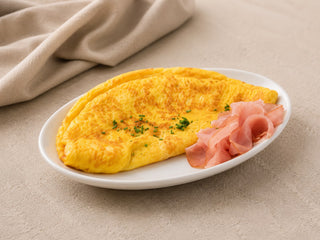
- Omelette as a wrap: two eggs provide 12 grams of protein and zero carbohydrates. Cook as a thin crêpe and use in place of a tortilla. Adds just two extra minutes.
- Nori sheet: used in Japanese cooking, virtually no carbohydrates, adds umami flavour. Less common, but effective with sashimi-style fillings.
- Collard greens: large leaves sturdy enough to roll. Popular in low-carb circles in the UK, still fairly unknown elsewhere.
The omelette wrap is the most underrated option. You just need two eggs, a drop of olive oil and a frying pan. Total prep time: four minutes. The wrap itself already contributes 12 grams of protein before you've even added a filling.
Meal prep: wraps and bowls for 4 days
Preparing a fresh lunch every single day simply isn't realistic for most people. Meal prepping on a Sunday for four working days is far more manageable, and it means you're still making a good choice on Thursday.
What you prepare on Sunday
- Batch-cook your protein source: grill 600 grams of chicken breast in the oven (200°C, 22 minutes). This gives four portions of 150 grams, each providing roughly 35 grams of protein. Alternative: hard-boiled eggs (6 pieces) or a tin of tuna per day.
- Prepare a vegetable base: cucumber, peppers, lettuce, rocket. Store dry in a covered container. Keeps well in the fridge for four days.
- Keep grains separate: cook quinoa or bulgur if you want to add them. Store separately from the vegetables. Only combine just before eating.
- Sauces in small pots: hummus, Greek yoghurt with lemon, or a tahini and lemon dressing. Portion them out straight away so you're not measuring afresh each day.
What you don't prepare in advance
Never cut avocado ahead of time. Oxidation turns it brown and unappealing within two hours. The same goes for folding lettuce wraps: a rolled lettuce wrap left in a container for two hours turns soggy and limp.
Always store wraps and bowls with the wet and dry components kept separate. Never pour the dressing over a bowl if you're prepping it for the following day.
On days when you don't even have time to put this together, the Bioteïne meals offer a ready-made alternative with a fixed protein content per portion. No need to guess at grams.
The pitfalls that sabotage your protein wrap
A wrap looks healthy. That's exactly the problem: appearances don't always match the actual nutritional value. Here are four recurring patterns among people who think they're eating well but aren't hitting their goals.
Sauces that sneakily add 200 kcal
Mayonnaise clocks in at 680 kcal per 100 grams. A "normal" dollop on your wrap is easily 30 grams. That's 204 kcal from pure fat, with no contribution to your protein intake whatsoever. The same applies to sriracha mayo, sweet chilli sauce and most ready-made dressings.
Better sauces: Greek yoghurt (10 grams of protein per 100 grams, 67 kcal), hummus (6 grams of protein per 100 grams, 170 kcal, but cap it at 30 grams), mustard (virtually no calories), or a homemade lemon and olive oil dressing used sparingly.
Grain portions that are too generous
Quinoa, bulgur, couscous and brown rice aren't bad choices. But a generous bowl with 150 grams of cooked quinoa already delivers 27 grams of carbohydrates, on top of the carbs in the wrap itself. A portion of 60 to 80 grams of cooked grain is plenty for most people's lunch bowl.
Cauliflower rice is a sensible swap: the same visual volume, but just 3 grams of carbohydrates per 100 grams versus 21 grams for white rice. Over a week of eating a bowl daily, that difference adds up considerably.
Compensating for too little protein with more wrap
Two thin slices of chicken breast in a large wrap loaded with vegetables and grain might only give you 15 grams of protein. That's not enough for a lunch meant to carry you through to the evening. The fix isn't a bigger wrap or more grain, it's more protein. A third slice of chicken, an extra egg, a spoonful of cottage cheese or a scoop of quark in the bowl.
Overestimating your homemade bowl
People routinely underestimate what they're eating. Research from the British Dietetic Association (BDA) shows that self-reported calorie intake tends to be 20 to 40 percent lower than actual intake. Weighing and logging isn't something you need to do forever, but during the first two to three weeks of a high-protein diet, it gives you an insight that guesswork simply can't provide.
Bioteïne products to support your lunch routine
Preparing a bowl or wrap takes time, and on some days that time just isn't there. On other occasions, you need something between meals that tops up your protein intake without becoming a full meal in itself.
The Bioteïne meal range is designed for exactly those moments: a fixed macro profile, controlled sodium and sugar content, with no weighing required on your part. Ideal as a lunch backup on busy days or as a stand-in for the bowl you didn't get round to making.
For that gap between lunch and dinner, when hunger strikes around 4pm, the Bioteïne snacks are a far better choice than whatever's in the vending machine. They deliver protein without the sugar spike that comes with sweet snacks.
If you're just starting out with a high-protein eating pattern and aren't sure where to begin, take a look at the Bioteïne starter pack. It brings together the most commonly used products in a structured format.
The Bioteïne high-protein diet guide explains how the 4-phase system is built up and how wraps and bowls fit into each phase. And if you want to know which phase you're currently in, take the Bioteïne phase test.
Want to understand the structure behind the diet in more depth? The 4-phase system outlines the achievable protein target for each phase and how lunch fits into it.
Frequently asked questions
How much protein should a high-protein wrap contain at minimum?
A wrap counts as a high-protein lunch if it delivers at least 25 grams of protein. That's the threshold at which satiety hormones are noticeably affected. Less than 20 grams of protein at lunch increases the likelihood of an energy dip and extra hunger in the afternoon.
Is a wholemeal wrap better than a plain white tortilla?
Wholemeal provides more fibre (around 3 grams extra per wrap) and has a lower glycaemic index, which helps keep blood sugar more stable. However, the difference in protein content between wholemeal and white is minimal. For carb restriction, both are less suitable than a lettuce wrap or omelette wrap.
Can I eat the same protein bowl recipe every day?
You can, but varying your protein sources is worthwhile. Chicken provides different amino acids in different ratios compared with fish, egg or legumes. Rotating between two or three different protein sources each week ensures a more complete amino acid intake and makes the pattern easier to sustain.
How many calories should a high-protein lunch bowl contain?
With a daily target of 1600 to 1800 kcal, a lunch of 400 to 500 kcal fits well. With a higher daily target of 2000 kcal or more, lunch can stretch to 550 kcal. Protein content should be your main guide. Calories are the framework, not the primary control lever.
What's the best protein source for a vegetarian lunch bowl?
Combine two plant-based sources for a more complete amino acid profile. Chickpeas with Greek yoghurt, edamame with quark, or tofu with egg are good combinations. Legumes alone or grains alone don't provide sufficient essential amino acids for effective muscle maintenance.
How do I stop my meal-prepped wrap lettuce going soggy?
Always store wet and dry components separately. Keep the sauce in its own pot and only add it just before eating. Roll the wrap at the last moment. Wraps that are rolled and left in the fridge lose noticeably in firmness and flavour after just four hours.
Does a protein bowl count as a full meal replacement?
Yes, provided it delivers at least 25 grams of protein, contains enough vegetables, and fits within your daily calorie target. A bowl of 400 to 500 kcal with 30 to 40 grams of protein functionally replaces a hot meal entirely, as long as you're still hitting your protein targets for the rest of the day.
Are tortilla chips or fried toppings a problem in a high-protein bowl?
Yes. Fried toppings quickly add 150 to 300 kcal without contributing much protein. Tortilla chips, crispy onions or panko crumbs are decorative rather than functional. Leave them out, or swap them for a small handful of roasted nuts, which at least also provide protein and healthy fats.