
How much protein does a woman need per day?
The official guidance from the Dutch Nutrition Centre (Voedingscentrum) sets protein intake at 0.83 grams per kilogram of body weight per day. For most women who are trying to lose weight, who train regularly, or who are over 50, that figure falls short. If you lead an active life or are in a calorie deficit, your needs typically sit between 1.2 and 1.6 grams per kilogram. Add strength training or intensive recovery into the mix, and that can climb as high as 2.0 grams per kilogram.
In practical terms: a woman weighing 70 kg who wants to lose weight needs between 84 and 112 grams of protein a day, based on that guidance. Yet most women manage only 60 to 70 grams on average. That gap is bigger than it looks, and it has real consequences for muscle retention, satiety and fat loss.
Protein needs by weight, goal and age
The table below gives a practical overview. The figures are based on recommendations from the British Dietetic Association and standard clinical guidelines for weight management.
| Body weight | Maintenance (0.83 g/kg) | Weight loss / dieting (1.4 g/kg) | Training / strength (1.6 g/kg) | 50+ / muscle retention (1.8 g/kg) |
|---|---|---|---|---|
| 55 kg | 46 g | 77 g | 88 g | 99 g |
| 65 kg | 54 g | 91 g | 104 g | 117 g |
| 75 kg | 62 g | 105 g | 120 g | 135 g |
| 85 kg | 71 g | 119 g | 136 g | 153 g |
| 95 kg | 79 g | 133 g | 152 g | 171 g |
A word of caution: when losing weight, it is best to calculate your protein needs based on your target weight or your fat-free mass, rather than your current weight. This stops you from consistently overestimating your requirement if you have a lot of weight to lose.
Why women over 50 need their own category
From your fifties onwards, protein synthesis becomes less efficient. Muscle tissue breaks down more quickly and is harder to rebuild, a process known as sarcopenia. Research published in the American Journal of Clinical Nutrition shows that post-menopausal women may need up to 1.8 grams per kilogram to preserve muscle mass, particularly if they are not doing regular strength training. The standard 0.83 grams simply does not protect that muscle.
Why women consistently eat too little protein
This isn't a question of willpower. The cause lies largely in how women have traditionally eaten, and in which products get marketed as "healthy".
A typical breakfast of porridge with fruit might provide 8 grams of protein. A lunch of a wholemeal sandwich and salad adds another 12 grams. By midday you're at 20 grams, when your target is 100. The remaining 80 grams then has to come from dinner, and that almost never happens.
- Low-protein breakfast habits: bread, muesli, fruit, and low-protein yoghurt. Yoghurt sounds like a healthy choice, but standard yoghurt contains only 3 to 4 grams of protein per 100 grams. Greek yoghurt is the better option, at 8 to 10 grams per 100 grams.
- Diet products with a poor protein profile: many "light" products are low in calories but also low in protein. You eat less, but your protein intake drops right along with it.
- Plant-based diets without compensation: a vegan or vegetarian diet is perfectly fine, but it demands deliberate choices. Pulses, tempeh and soya are all solid sources. Many women who cut back on meat, however, don't replace it with a proper alternative.
- The portion trap: women tend to eat smaller portions than men, which is entirely reasonable. But protein doesn't scale down neatly with portion size. 60 grams of chicken provides just 15 grams of protein, a small slice of your daily target.
Data from the Dutch National Institute for Public Health (RIVM) shows that women in the Netherlands consume an average of 67 grams of protein per day. Against a target weight of 70 kg and a weight-loss goal, that leaves a shortfall of almost 40 grams a day. That deficit directly affects muscle retention while dieting, satiety, and the likelihood of regaining weight afterwards.
For practical guidance, take a look at the Bioteïne high-protein diet guide, which walks through the basic principles step by step.
Protein during menstruation, menopause and pregnancy
Always consult a doctor or dietitian if you have specific questions about nutrition during pregnancy or any medical concerns.
Menstrual cycle
During the luteal phase (the two weeks before your period), your basal metabolic rate rises slightly and appetite increases. This is entirely normal physiologically. It can be worthwhile to nudge your protein intake towards the upper end of your target range during this phase, since higher protein supports satiety without adding many extra calories. There is no strict clinical guideline for this point in the cycle, but the logic holds up well.
Perimenopause and menopause
The drop in oestrogen during menopause accelerates both muscle loss and bone loss. Protein supports both processes. The combination of 1.6 to 2.0 grams of protein per kilogram alongside strength training is the most well-supported approach to slowing this down. Not supplements, not hormones, just protein and resistance work.
Pregnancy
Protein requirements rise during pregnancy, to an average of 1.1 grams per kilogram in the first trimester and up to 1.5 grams per kilogram by the third trimester. That's considerably more than the baseline. The Voedingscentrum guidelines for pregnancy offer a solid starting point, but specific advice should come from a midwife or dietitian.
Spreading protein sensibly across the day
Timing matters. The body can effectively use around 25 to 40 grams of protein per meal for muscle synthesis. Anything beyond that in a single sitting isn't stored as muscle, but processed as energy or excreted. In practice, this means spreading your daily protein target across at least three meals.
| Meal | Target protein amount | Example |
|---|---|---|
| Breakfast | 25-35 g | Protein shake with Greek yoghurt, or a protein-rich meal |
| Lunch | 25-35 g | Chicken, eggs, cottage cheese, pulses |
| Dinner | 30-40 g | Fish, meat, tofu, tempeh |
| Snack (optional) | 10-20 g | Protein bar, protein-rich snack |
Three meals of 30 grams each already adds up to 90 grams. A 15-gram snack brings you to 105 grams, which is spot on for a 65 kg woman with a weight-loss goal.
Breakfast is the critical moment
Many women start the day with less than 10 grams of protein, which sets the tone for the rest of the day. A low-protein breakfast raises the odds of an energy dip before lunch, stronger sugar cravings, and a bigger portion in the evening. Aim for at least 25 grams to start with, easily achieved with a good shake, eggs or cottage cheese.
The Bioteïne protein shakes provide an average of 25 grams of protein per serving at roughly 150 to 200 kcal, which makes breakfast simple and easy to calculate.
How Bioteïne fits into your daily protein needs
Bioteïne isn't a replacement for a complete diet. It's a tool to plug the gaps. Most women aren't short on protein at dinner, but at breakfast and between meals, exactly where these products come in.
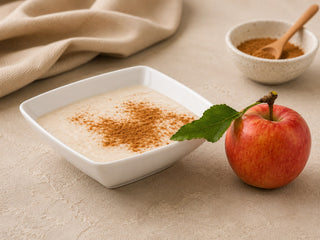
- Shakes: 25 grams of protein per serving, quick, no preparation needed. Ideal as breakfast or post-workout. Browse the protein shake range.
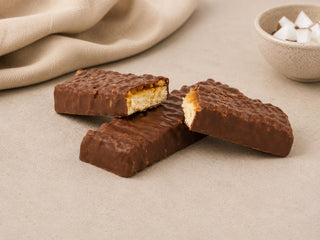
- Bars: 15 to 20 grams of protein, portable, no refrigeration required. Handy for moments when a proper meal isn't practical. Browse the protein bars.
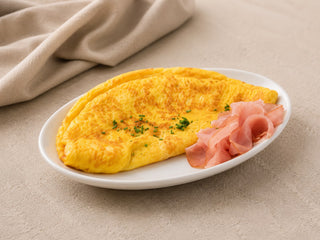
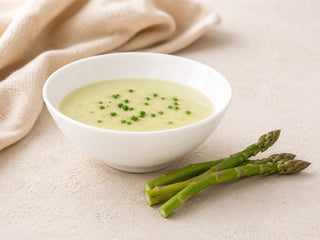
- Meals: fully balanced meals with 30 to 40 grams of protein per serving, for anyone wanting to optimise lunch or dinner. See the protein-rich meals.
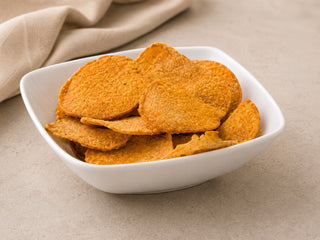
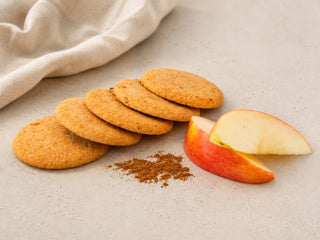
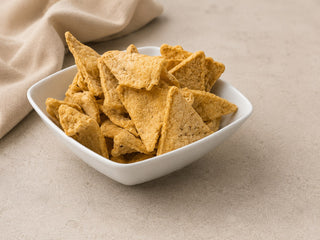
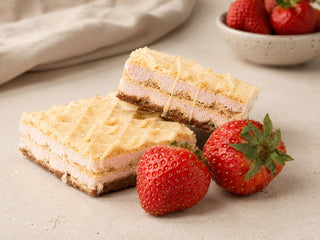
- Biscuits and snacks: 10 to 15 grams of protein per serving, for when you fancy something sweet. See protein biscuits and protein snacks.
Not sure where to start? The Bioteïne phase test gives you personalised starting advice in under two minutes, based on your current weight, goal and lifestyle. No lengthy form, just a handful of targeted questions.
Prefer to dive straight in? The starter pack combines the most popular products for the first few weeks and is aligned with the 4-phase system that underpins the Bioteïne approach.
Frequently asked questions
How much protein does a 60 kg woman need per day?
For weight maintenance, that's roughly 50 grams a day (0.83 g/kg). If you're trying to lose weight, the requirement rises to 84-96 grams a day (1.4-1.6 g/kg). If you strength train, 1.8 grams per kilogram, or 108 grams, may be a better target.
Is 100 grams of protein a day too much for a woman?
No, for most women who are active or trying to lose weight, 100 grams is a realistic and safe target. Healthy kidneys have no trouble handling that amount. If you have kidney issues or a specific medical condition, discuss this with a doctor or dietitian.
What are the best protein sources for women?
Chicken, fish, eggs, cottage cheese, Greek yoghurt, pulses and tofu are all practical staples. Per 100 grams, chicken breast and tuna each provide roughly 25 to 30 grams of protein. Low-fat cottage cheese offers 11 grams per 100 grams, making it one of the best dairy sources.
Does eating more protein help with weight loss?
Yes, and the evidence is solid. A higher protein intake boosts satiety, reduces overall calorie intake, and protects muscle mass during a calorie deficit. That last point matters enormously: muscle keeps your resting metabolism higher and helps prevent weight regain after dieting.
How much protein do I need if I don't exercise?
Even without exercise, 1.0 to 1.2 grams per kilogram of body weight is a sensible target if you're trying to lose weight. For a genuinely sedentary lifestyle and weight maintenance, the official 0.83 gram threshold is sufficient, though it leaves little margin for long-term muscle retention.
When is the best time to eat protein?
Spreading your intake across the day works best: three meals of 25 to 40 grams of protein each. The body can only make effective use of a limited amount of protein per meal for muscle synthesis. Cramming it all into one meal is less efficient than spreading it evenly across breakfast, lunch and dinner.
Do I need more protein as a woman over 50?
Yes. Hormonal changes after menopause accelerate muscle loss, so recommended intake rises to 1.6 to 2.0 grams per kilogram per day. This applies even if you don't train actively. At this stage of life, protein is one of the most direct nutritional interventions for preserving strength and bone density.
Can I meet my protein needs without supplements?
Yes, but it requires consistent planning. With whole foods alone, 100 grams of protein is achievable, though many women find it hard to hit that target every single day in practice. Protein-rich products like shakes or bars aren't a substitute for a good diet, but they make hitting your target far more consistently achievable.