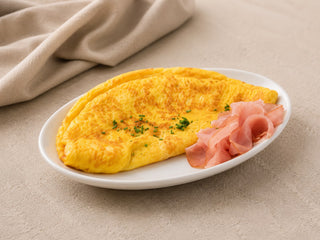
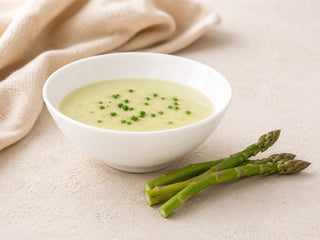
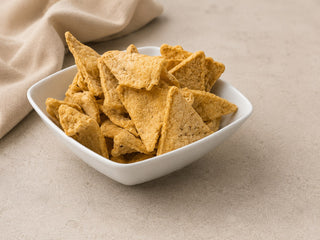
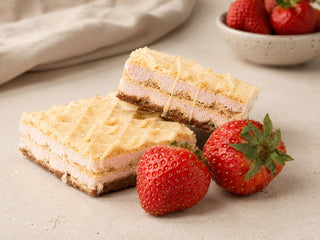

What are Bioteïne products and who are they for?
Bioteïne products are protein-rich meal replacements and supplements, developed for people who want to lose weight in a structured way without losing muscle mass. Each product delivers at least 15 grams of protein per serving, with a calorie content of between 150 and 250 kcal. The range suits adults following a high-protein diet, whether under professional guidance or on their own initiative.
That sounds straightforward enough. Yet we field questions every day about flavours, allergens, how to use the products in each phase, shelf life, and what actually goes into a shake. This article answers the ones we hear most often, without any faffing about.
What's in Bioteïne products: ingredients and nutritional values
Most questions we receive are about this very topic, and rightly so, people want to know exactly what they're consuming. Below is an overview of the average macronutrient composition per product category.
| Product type | Protein (g) | Carbohydrates (g) | Fat (g) | kcal |
|---|---|---|---|---|
| Protein shake | 25-27 | 5-8 | 3-5 | 150-180 |
| Meal replacement | 20-23 | 15-20 | 5-7 | 200-250 |
| Protein bar | 15-18 | 18-22 | 7-10 | 185-220 |
| Protein biscuit | 10-12 | 20-24 | 6-9 | 170-200 |
| Protein snack | 12-15 | 10-14 | 4-6 | 140-165 |
The protein sources in Bioteïne products are mainly whey, casein and soya protein. Whey is absorbed quickly and is ideal straight after a meal moment. Casein digests more slowly, which keeps you feeling fuller for longer, which is why meal replacements combine both sources.
All products contain essential vitamins and minerals, including vitamin B12, vitamin D, calcium and magnesium. Dosages are calibrated to a daily schedule of 3 to 5 Bioteïne moments, so you hit the recommended daily amounts without having to buy separate supplements.
Do they contain artificial sweeteners?
Yes. Most products contain sucralose or stevia, sometimes both together. This keeps the calorie count low without compromising on flavour. If you deliberately avoid sweeteners, this is worth bearing in mind. For more background on the safety of approved sweeteners in Europe, see the Voedingscentrum's page on sweeteners, the Dutch national nutrition information service.
How do you fit Bioteïne products into a daily schedule?
This is where things get practical for most people. You've got the products, but how do you use them sensibly? An effective daily schedule comes down to one principle: spread your protein intake across the day in portions of 20 to 30 grams per sitting. Research by Areta et al. (2013, Journal of Physiology) shows that spreading protein intake stimulates muscle protein synthesis significantly better than consuming the same amount in one or two sittings.
A practical daily schedule on 800-1000 kcal (phase 1 or 2 of the 4-phase system) looks like this:
- 07:00: Protein shake for breakfast (25 g protein, 160 kcal)
- 10:30: Protein snack or biscuit (12 g protein, 155 kcal)
- 13:00: Meal replacement for lunch (22 g protein, 230 kcal)
- 16:00: Protein bar (16 g protein, 200 kcal)
- 19:00: Protein shake or warm meal replacement (25 g protein, 170 kcal)
Total: roughly 100 grams of protein and 915 kcal. That's enough to safeguard muscle mass on a calorie-restricted diet, provided you also drink enough water, at least 2 litres a day, ideally 2.5 litres.
Want to know which phase you're in? Use the phase test to find your starting point.
Which products suit which diet phase?
The Bioteïne system works in phases. The intensity of the diet differs from phase to phase, and so does which products work best. Here's an overview:
| Phase | Goal | Recommended products | Calorie level |
|---|---|---|---|
| Phase 1 (days 1-14) | Rapid results, strict start | Shakes, meal replacements | 700-900 kcal/day |
| Phase 2 (days 15-42) | Continuing fat burning | Shakes, bars, snacks | 900-1100 kcal/day |
| Phase 3 (days 43-70) | Reintroducing regular food | Bars, biscuits as a supplement | 1200-1500 kcal/day |
| Phase 4 (day 71+) | Maintaining weight | Snacks, bars for protein supplementation | 1500-1800 kcal/day |
For more detail on exactly how the 4-phase system works, see our high-protein diet guide. That page also covers the science behind ketosis and protein sparing.
Are Bioteïne products suitable if you have allergies or intolerances?
A common question, and a fair one. Not everyone digests whey protein well, and lactose intolerance is widespread. Here's what you need to know.
Lactose
Whey protein isolate (WPI), the variant Bioteïne primarily uses, contains less than 1 gram of lactose per serving. For most people with lactose intolerance, that's not an issue. If you have a genuine lactose allergy (rarer than intolerance), speak to your GP.
Gluten
The shakes and meal replacements are gluten-free. The bars and biscuits are made in a factory that also processes gluten-containing products, so there is a risk of cross-contamination. Anyone with coeliac disease would be wise to avoid these.
Soya
Some Bioteïne products contain soya protein as a secondary protein source. This is clearly stated on the packaging. If you have a soya allergy, stick to products based solely on whey or casein.
Nuts
Certain flavour variants (such as hazelnut chocolate) contain nuts or traces of nuts. Always check the individual product label if you have a nut allergy.
The British Dietetic Association (BDA) advises consulting a registered dietitian whenever you're unsure about allergens, before starting a partial or full meal replacement plan.
How quickly will you see results with Bioteïne?
Managing expectations is a big part of successful dieting. Here are the average figures from the system.
In the first week, people typically lose 2 to 4 kilograms. That sounds impressive, but a significant portion of it is water and glycogen stores. Genuine fat burning kicks in around day 3 to 5, once the body shifts into a state of heightened fat oxidation due to low carbohydrate intake and the calorie deficit.
From week 2 onwards, weight loss settles to around 0.5 to 1 kilogram a week, which also checks out mathematically for a calorie deficit of 500-700 kcal a day: 500 kcal x 7 days = 3,500 kcal, roughly 0.5 kg of fat. That's also the pace regarded as sensible by the Netherlands' national nutrition centre, the Voedingscentrum.
After 12 weeks (the average duration of phase 1 through to phase 3), a total loss of 8 to 14 kilograms is realistic. People starting from a higher weight tend to reach the upper end of that range.
What if the scales won't budge?
A plateau between week 3 and 5 is normal. The body adjusts its resting metabolic rate to the new weight. That's physiology, not failure. Use the phase test to check whether adjusting your phase or calorie level makes sense. Sometimes a temporary increase in calories (a refeed) works better than cutting further.
How should you store Bioteïne products, and how long do they keep?
Storage has a direct impact on quality and taste. A few hard-and-fast rules:
- Shake powder: keep dry and cool, no warmer than 25°C. Use within 3 months of opening. Don't store in the fridge, as moisture is an issue.
- Bars and biscuits: room temperature, out of direct sunlight. The chocolate coating starts melting above 28°C, which changes the texture but doesn't affect the nutritional value.
- Prepared shake: keep in the fridge for a maximum of 24 hours. There's no point keeping it longer: the protein stays stable, but the taste deteriorates and bacterial growth becomes possible.
- Unopened: the best-before date on the packaging is what counts, typically 12 to 18 months from the production date.
A practical example: say you order a starter pack and want to plan everything sensibly. Don't open all the bags at once. Store unopened bags in a dry cupboard and open no more than one bag per product type per week.
Can you combine Bioteïne products with exercise?
Exercise and a calorie-restricted diet can go together, but there are nuances. Heavy strength training on a 700-900 kcal schedule isn't wise. The body doesn't have enough fuel for intensive effort and recovery at the same time, and the risk of overtraining and muscle breakdown increases.
What does work well:
- Walking, 30 to 45 minutes a day. Low-intensity, but it supports fat burning without placing extra strain on your metabolism.
- Light strength work (bodyweight exercises) from phase 2 onwards. Think 2 sessions a week of 20 to 30 minutes.
- Swimming or cycling at a low intensity: fine during phase 2.
For more intensive training (running, group classes, weight training), we'd recommend shifting your calorie level up to phase 2 or 3, so you've got enough energy for recovery. Total protein intake should still be at least 1.6 grams per kilogram of body weight, which works out at 112 grams of protein a day for someone weighing 70 kg.
See our high-protein diet guide for specific protein recommendations for people exercising while trying to lose weight.
Which products are most popular, and why?
Based on customer data and repeat orders, these are the five most ordered Bioteïne products:
- Chocolate protein shake: by far the most popular. 26 grams of protein per serving, 165 kcal, and a flavour satisfying enough to keep chocolate cravings at bay.
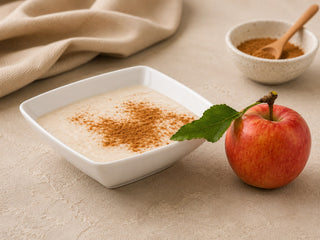
- Vanilla meal replacement: neutral enough to vary things up with. Often mixed with coffee or cinnamon for extra flavour.
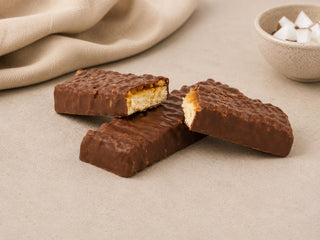
- Hazelnut chocolate bar: the best-selling bar. Ideal as a snack when you fancy something to get your teeth into. 16 grams of protein, 205 kcal.
- Salted caramel protein shake: growing in popularity, particularly among people who find the chocolate variant too rich in the evening.
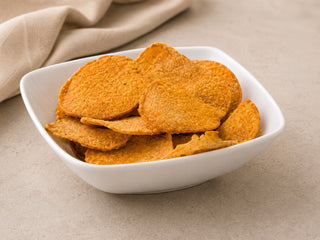
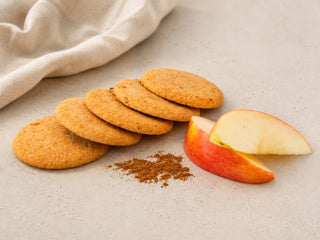
- Plain protein biscuits: most ordered by people in phase 3 who want to replace ordinary biscuits while still keeping track of their protein intake.
Browse the full ranges: shakes, bars, meals, biscuits and snacks. If you want to get started straight away, the starter pack is the most efficient choice: a curated combination for the first 14 days.
Frequently asked questions
How much protein is in an average Bioteïne shake?
A standard Bioteïne protein shake delivers 25 to 27 grams of protein per serving, at 150 to 180 kcal. That's enough for one protein moment. For optimal muscle protein synthesis, portions of 20 to 30 grams of protein spread across the day are most effective, according to current nutritional science.
Are Bioteïne products suitable for people with type 2 diabetes?
The products have a low glycaemic index thanks to their low carbohydrate content. That said, this isn't a free pass. Anyone with type 2 diabetes taking blood-sugar-lowering medication should always consult their GP or dietitian before starting a calorie-restricted diet. A significant calorie deficit can trigger hypoglycaemia.
Can I use Bioteïne products if I'm pregnant or breastfeeding?
No. Pregnancy and breastfeeding are exclusion criteria for calorie-restricted diet programmes. Nutritional needs are actually higher during this period. Bioteïne products aren't formulated for this group. Always consult a midwife or obstetrician for dietary advice during pregnancy.
How do I prepare a Bioteïne shake correctly?
Use 200 to 250 ml of cold water or skimmed milk per serving of powder (30-35 grams). Mix in a shaker bottle for 20 to 30 seconds. Avoid hot liquids above 60°C: heat partially denatures the whey protein, which harms solubility and texture. For a warmer drink, use the meal replacement variants instead.
What's the difference between a protein shake and a meal replacement?
A protein shake is primarily a protein source with minimal carbohydrates and fat. A meal replacement has a broader macronutrient balance, more vitamins and minerals, and is designed to fully replace a meal. A shake works well as a top-up. A meal replacement structurally replaces breakfast, lunch or dinner.
Can I combine Bioteïne products with regular food?
Yes. In phase 3 and 4, that's actually the idea. Bioteïne products then act as supplements rather than full replacements. This combination works best if you choose regular meals with high satiety value: vegetables, pulses, lean meat or fish. Avoid combining in phase 1, where strict structure delivers the best results.
How many Bioteïne products can I use per day?
The maximum is 5 products a day in phase 1 and 2. That delivers 100 to 120 grams of protein and 750 to 1,000 kcal. More than 5 products a day isn't necessary and just adds unnecessary cost. In phase 3, use 2 to 3 products a day alongside regular meals.
Will I lose muscle mass following this diet?
With sufficient protein intake (at least 1.2 grams per kilogram of body weight per day), muscle loss is minimal, even on a calorie-restricted diet. The system is specifically designed with this in mind. Check your protein intake daily, and consider using scales that measure body composition to monitor muscle mass throughout the process.