
What goes on your shopping list for a protein diet?
For a protein diet, you want products that deliver at least 15 grams of protein per 100 grams, with minimal saturated fat or added sugar. Think chicken breast, quark, eggs, pulses and oily fish. A typical protein diet calls for 1.6 to 2.2 grams of protein per kilogram of body weight per day, spread across three to five meals.
How much protein do you actually need per day?
That depends on your goal and your body weight. The Voedingscentrum uses 0.83 grams per kilogram as the baseline guidance for healthy adults. But for weight loss while preserving muscle mass, the bar sits higher. Research published in the American Journal of Clinical Nutrition (Stokes et al., 2018) shows that 1.6 to 2.4 grams per kilogram is more effective during calorie restriction.
Weigh 75 kilograms? Your daily target lies somewhere between 120 and 180 grams of protein. That sounds like a lot. It's achievable, but you'll need to shop with intention.
| Body weight | Minimum (1.6 g/kg) | Optimal (2.0 g/kg) | Intensive (2.4 g/kg) |
|---|---|---|---|
| 60 kg | 96 g | 120 g | 144 g |
| 75 kg | 120 g | 150 g | 180 g |
| 90 kg | 144 g | 180 g | 216 g |
| 105 kg | 168 g | 210 g | 252 g |
Want to work out which phase you're in first, and how much protein suits your situation? The phase test gives you a concrete starting point in under two minutes.
The supermarket as a protein source: what works and what doesn't
Most supermarkets stock plenty of options. The issue isn't availability, it's habit blindness. You reach for whatever you always reach for. Below are the categories that score highest on protein per gram and on practical usability.
Animal protein
- Chicken breast (raw): 23 g protein per 100 g, around 110 kcal. Versatile, affordable, easy to batch-cook.
- Turkey breast: 24 g per 100 g. Leaner than chicken, slightly less popular but just as effective.
- Salmon (fresh or frozen): 20 g protein per 100 g, 180 kcal. Also delivers omega-3 fatty acids.
- Tuna in water (tinned): 26 g per 100 g, 100 kcal. The cheapest protein source per gram in the supermarket.
- Low-fat quark: 11 g per 100 g, 57 kcal. An ideal base for breakfast or a snack.
- Greek yoghurt (10% fat): 9 g per 100 g, 133 kcal. More calories than quark, but also more satiating.
- Eggs: 13 g per 100 g (whole egg), 155 kcal. Two eggs give you 12 g of protein for roughly 140 kcal.
- Cottage cheese: 11 g per 100 g, 90 kcal. Underrated. Works well as a rice substitute or a topping.
- Lean beef mince (5% fat): 21 g protein per 100 g, 110 kcal. Check the fat percentage on the packaging.
Plant-based protein
- Edamame (frozen): 11 g protein per 100 g, 121 kcal. A complete amino acid profile for a plant-based source.
- Lentils (cooked): 9 g per 100 g, 116 kcal. Good in soup, stew or salad.
- Chickpeas (tinned, drained): 9 g per 100 g, 165 kcal. Note: more calorie-dense than lentils.
- Tofu (plain): 8 g per 100 g, 76 kcal. Absorbs marinades well, versatile in hot dishes.
- Tempeh: 19 g per 100 g, 192 kcal. Higher in calories, but an excellent protein profile. Works well for people training more intensively.
- Quorn (mince or fillet): 14 g per 100 g, 90 kcal. A convenient ready-made alternative.
Should you combine plant-based sources? It's sensible, but not always necessary. Anyone who builds enough variety into their day will generally get all the essential amino acids anyway.
A practical weekly overview: filling your trolley
Below is a shopping list for one person, for 7 days, aimed at 150 grams of protein per day. It's built around three meals plus a snack.
| Category | Product | Quantity | Total protein |
|---|---|---|---|
| Meat/fish | Chicken breast (fresh) | 700 g | 161 g |
| Meat/fish | Salmon (frozen) | 400 g | 80 g |
| Meat/fish | Tuna in water (tinned) | 4 tins (480 g) | 125 g |
| Dairy | Low-fat quark | 1 kg | 110 g |
| Dairy | Eggs | 12 | 78 g |
| Dairy | Greek yoghurt | 500 g | 45 g |
| Plant-based | Edamame (frozen) | 400 g | 44 g |
| Plant-based | Lentils (tinned) | 2 tins (480 g) | 43 g |
| Supplement | Protein shake or bar | 7 servings | 175 g |
This isn't a fixed daily plan. It's a stock. You decide how to spread it across the week based on what you're cooking and when you're home. The protein shake or bar is optional. But on busy days, a shake with 30 grams of protein is ready in two minutes. That's far more realistic than cooking a chicken thigh at 10pm.
What's better left on the shelf
Not everything labelled "high in protein" is worth buying. A few products worth skipping consciously:
- Protein-enriched breakfast cereals: Often 5 to 8 g protein per serving, but 30 to 40 g sugar per 100 g. That's not a protein product. It's just cereal with a marketing claim.
- Light cheese: 18 to 21 g protein per 100 g, but also 600 to 800 mg sodium per 100 g. Not ideal if you're eating large amounts daily.
- Plant-based "protein" drinks: Many variants deliver only 3 to 5 g protein per bottle. Read the nutrition panel, not the front label.
- Meat alternatives with low protein content: Some varieties contain as little as 6 g per 100 g. Always check the label.
The rule is simple: read the nutrition information on the back. Anything under 10 g protein per 100 g doesn't count as a primary protein source in a protein diet.
Reading labels: three numbers that matter
You don't need to be a nutritionist to tell a good product from a poor one. Three numbers will do.
- Protein per 100 g: At least 15 g for animal products, at least 8 g for plant-based ones. Anything below that is a contribution, not a foundation.
- Kcal per serving: Check whether the product fits your daily calorie budget. A protein diet works best with a moderate calorie deficit of 300 to 500 kcal per day below your maintenance needs.
- Sugar per 100 g: Under 5 g is fine. Above 15 g, it's a sweet treat, whatever the front of the packet claims about "protein".
The British Dietetic Association (BDA) recommends looking at a product's overall macronutrient balance rather than just the protein claim on the front. That guidance applies just as much to products you buy in a Dutch supermarket.
Supplements and ready-made protein products: when do they earn their place?
Not everyone has time to cook from scratch every single day. That's not a weakness, it's a practical reality. A busy day, a business trip, a missed meal. In moments like these, a good protein product isn't a compromise. It's simply logistics.
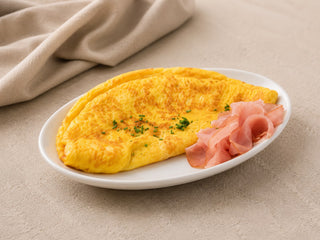
Bioteïne has developed specific products for people who want to stick with a protein diet seriously without preparing every meal from scratch. Think protein shakes with 25 to 30 g protein per serving, bars with 20 g protein and under 5 g sugar, and ready meals fully aligned with the macronutrient ratios of a protein diet.
Here's an overview of what works well alongside your supermarket shop:
- Protein shakes: ideal as a meal replacement for breakfast or as a recovery drink after exercise. They deliver 25 to 30 g protein for 150 to 200 kcal.
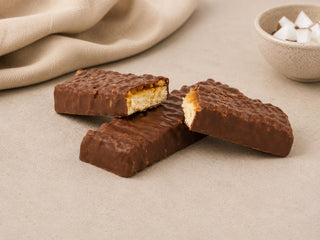
- Protein bars: handy as a snack at the office or on the go. Watch the sugar content, even in "healthy" bars.
- Ready meals: for evenings when cooking simply isn't happening. Always check portion size and protein content per meal.
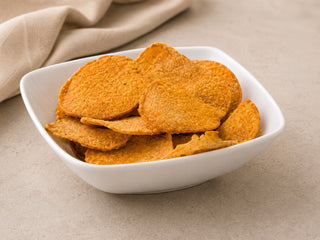
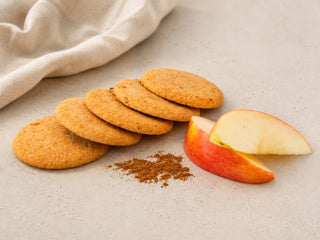
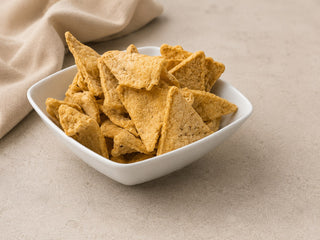
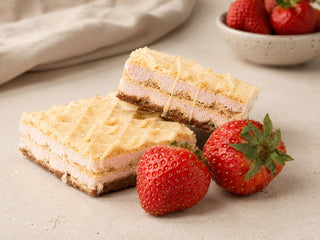
- Protein biscuits: an alternative to ordinary biscuits if you fancy something in the evening without derailing your daily target.
Want to know which products best suit your phase of the diet? Take a look at the starter pack if you're just getting going. It takes most of the guesswork out of your hands.
Meal prepping: cook once, eat for five days
The biggest stumbling block with a protein diet isn't motivation. It's time. Anyone who knows on Monday what they'll eat on Tuesday and Wednesday makes better choices. Meal prepping solves this.
A basic plan for 4 to 5 days
- Bake 600 g chicken breast in the oven (180 degrees, 25 minutes). Store in the fridge. Good for 3 to 4 meals.
- Cook 300 g green lentils. Store in a sealed container. Keeps for five days in the fridge.
- Hard-boil 6 eggs. Handy for breakfast or a quick lunch.
- Portion 500 g quark into two 250 g tubs. Ready for the morning.
- Open three tins of tuna. Mix with a bit of lemon and herbs. Three lunchboxes filled.
This takes 45 minutes on a Saturday or Sunday. What you get back: five weekdays where your meals are already sorted. No more decisions at noon when you're hungry. No temptation from whatever's in the bread bin.
For a more detailed explanation of how to combine this with a structured eating pattern, see the high-protein diet guide.
Budget: how expensive is a protein diet, really?
The assumption that a protein diet is expensive doesn't hold up if you shop with intention. The costliest mistake is making fresh fish and premium meat your daily staple. That's not necessary.
| Protein source | Protein per 100 g | Price per kg (avg.) | Cost per 30 g protein |
|---|---|---|---|
| Tuna in water (tinned) | 26 g | €3.50 | €0.40 |
| Eggs | 13 g | €2.80/12 eggs | €0.65 |
| Low-fat quark | 11 g | €2.20/kg | €0.60 |
| Chicken breast (fresh) | 23 g | €8.00/kg | €1.05 |
| Lentils (dried) | 26 g (raw) | €2.50/kg | €0.29 |
| Tempeh | 19 g | €6.00/kg | €0.95 |
| Protein shake (Bioteïne) | 25 g/serving | variable | €1.20-1.80 |
Tuna and lentils are the cheapest options. Chicken breast costs more per kilo but also delivers more protein per portion than dairy. Combining these sources keeps your daily meal costs, just for protein, at 3 to 5 euros. That's manageable for most people.
A shake costs more per 30 grams of protein than tuna. But a shake serves a different purpose too: it's there when the other options aren't. Use it as a supplement, not a foundation. That's also the philosophy behind Bioteïne's 4-phase system.
Frequently asked questions
Which products are essential on a shopping list for a protein diet?
Chicken breast, tuna in water, low-fat quark, eggs and lentils are the five staple products. They combine a high protein content (at least 11 grams per 100 grams) with low calorie density and are affordable. Together, they offer enough variety for a full week.
How much does a week's shopping for a protein diet cost?
For one person, aiming for 150 grams of protein per day, budget 25 to 40 euros per week just for the protein sources. Vegetables, carbohydrates and flavourings come on top. Tuna, eggs and quark are the cheapest choices per gram of protein.
Is a protein shake a good meal replacement?
As a temporary or situational alternative: yes. A shake with 25 grams of protein for 160 kilocalories is more nourishing than skipping a meal altogether. Don't use it as a permanent basis for every meal, though. Whole foods also provide fibre, micronutrients and a level of satiety that a shake can't fully replicate.
Can I stick to a protein diet if I don't eat meat?
Yes. Tempeh, tofu, edamame, quark, eggs and lentils are plant-based or vegetarian alternatives with a solid protein profile. Pay attention to the amino acid profile if you're eating entirely plant-based: combine different sources throughout the day to get all the essential amino acids.
How do I read a label when I'm focused on protein?
Check three things: protein per 100 grams (at least 15 grams for meat/fish, at least 8 grams for plant-based), sugar per 100 grams (under 5 grams is good) and calories per serving. Ignore the front of the pack. The nutrition information on the back gives you the actual facts.
How should I spread my protein intake across the day?
Research from the BDA and various studies points to maximum muscle protein synthesis with servings of 25 to 40 grams of protein per meal. So spread your daily target across four to five sittings. Three grams per meal is too little. Sixty grams in one go adds less benefit than two servings of thirty grams.
What are quick, high-protein snacks for in between meals?
Hard-boiled eggs (6 grams per egg), quark with nuts (15 to 20 grams per 200 grams), tuna straight from the tin (26 grams per 100 grams), a protein bar (15 to 22 grams per bar) or edamame (11 grams per 100 grams). All ready in under five minutes, no cooking required.
When does a starter pack make sense for a protein diet?
If you're just starting out and don't want to work out which products suit your goals, a starter pack offers a structured foundation. It takes the guesswork out of the first two to three weeks, so you build a routine before branching out with supermarket products of your own.