
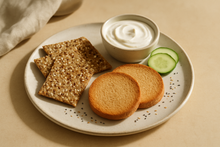
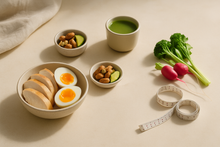
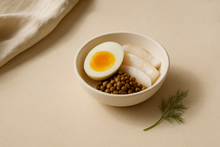
The protein diet: How the 4-phase system really works
The protein diet helps you achieve lasting weight loss through four consecutive phases. You follow a high-protein, low-carbohydrate diet for periods of time, burning fat whilst maintaining your muscle mass. Here, the creators of the phased system explain how it works.
Do you want to lose weight without constantly feeling hungry and without losing the muscle you’ve worked so hard to build? This is exactly where the protein diet comes in. It puts protein at the heart of your diet, cuts down on empty carbohydrates and uses a well-thought-out phased system to ensure that your success isn’t just visible on the scales in the short term, but is long-lasting. In this guide, you’ll find out how the protein diet really works, how the 4-phase system is structured, what you’re allowed to eat, and who it’s suitable for. We’ll go into the details so that, by the end, you’ll not only know what to do, but also understand why.
What is the protein diet?
The protein diet is a way of eating in which a significantly larger proportion of your daily calories comes from protein, whilst carbohydrates are temporarily reduced. Protein is the building block of your muscles, your skin, your enzymes and countless metabolic processes. Without sufficient protein, the body simply doesn’t function properly. Anyone looking to lose weight benefits from a higher protein intake in several ways: you stay fuller for longer, your blood sugar levels remain more stable, and your body is more likely to tap into fat reserves rather than breaking down muscle.
Unlike a pure starvation diet, the aim isn’t to eat as little as possible. It’s about eating the right things. If you simply cut your calorie intake drastically, you’ll often lose motivation quickly – and lose muscle just as quickly. The protein diet takes a smarter approach. It’s not a short-term crash diet, but a structured approach that respects your metabolism and guides you, step by step, towards a healthier diet. Whilst carbohydrates mainly serve as a quick source of energy, protein provides the long-term stability you need to stick with it.
How does the protein diet work?
Three simple yet effective principles underpin the success of the protein diet. Once you understand them, you’ll stop working against your own body and start working with it.
Satiety
Protein is the most satiating of all nutrients. A protein-rich meal keeps you feeling full for longer than a plate of pasta, because protein stimulates the release of satiety hormones and prevents cravings. Your body also needs more energy to digest protein than it does for carbohydrates or fat. All of this makes it easier to maintain a calorie deficit without everyday life feeling like a constant battle against hunger. It is precisely this absence of constant hunger that, for many, is the reason why the protein diet works where other diets have failed.
Mild ketosis
When you cut down on carbohydrates, your body’s carbohydrate stores are depleted after a while. It then partially switches to burning fat and derives energy from what are known as ketone bodies. This gentle metabolic shift supports fat loss whilst ensuring a more even energy balance throughout the day. It is important to note that this is a moderate, well-supervised approach, rather than an extreme reduction in carbohydrates over a long period. The phased system ensures precisely this healthy balance, so that your body is not overburdened.
Muscle preservation
With many diets, you lose not only fat but also valuable muscle mass. This is doubly undesirable, as muscles burn energy even at rest and shape your body’s contours. Losing muscle lowers your basal metabolic rate, making it all the easier to regain weight after the diet. An adequate protein intake provides your body with the building blocks it needs to protect your muscles during the diet. This keeps your basal metabolic rate more stable, your body firmer, and makes the dreaded yo-yo effect much less likely.
The 4-phase system
At the heart of the Bioteine method is the 4-phase system. Instead of forcing you onto a strict diet overnight, it guides you towards your goal in clear stages and gently brings you back to normal. In the process, you’ll learn to eat more mindfully in the long term.
Phase 1: The Start
In the start phase, you consistently switch your diet to protein-rich meals and significantly reduce your carbohydrate intake. Your body begins to switch to burning fat, and the first results become visible quickly. During this phase, you’ll mainly be eating protein-rich foods, supplemented with plenty of vegetables and sufficient water. This phase lays the foundation for your weight-loss success.
Phase 2: Steady weight loss
In the second phase, you’ll find your rhythm. Weight loss becomes more steady and predictable. You continue to combine plenty of protein with vegetables, but now have more scope for varied meals. This is where the variety of the range really pays off, as it keeps the diet interesting and prevents you from being tempted to give up.
Phase 3: The Transition
Now, healthy carbohydrates are gradually reintroduced into your diet, such as wholegrains, pulses, some fruit and potatoes. This phase is crucial, as your body gently adjusts to a more balanced diet without you putting the weight back on straight away. You’ll learn to use carbohydrates consciously and in moderation.
Phase 4: Maintenance
The final phase is all about maintaining your target weight in the long term. You’ll return to a balanced diet, whilst maintaining the good habits you’ve learnt in the earlier phases. Protein-rich meals remain a key part of your diet, precisely because they keep you feeling full and help you stay in balance. This phase is less of a diet and more of a new, healthier lifestyle.
Who is the protein diet suitable for?
The protein diet is suitable for healthy adults who want to lose weight whilst preserving their muscle mass. It is particularly beneficial for people who suffer from cravings, have already tried other diets without success, or need a clear structure to help them stick to the plan. Those who are very busy at work and have little time for cooking will also find the structured approach and quick-to-prepare products very helpful.
However, the protein diet is not suitable for certain groups. Anyone suffering from kidney or liver disease, gout or a metabolic disorder should avoid a high-protein diet or only follow it under medical supervision. Pregnant women, breastfeeding mothers, children and teenagers are also not part of the target group, as their bodies have specific needs during these stages of life. If in doubt, always consult your doctor first. A quick check-up will give you peace of mind and relieve any unease about doing something wrong.
What can you achieve?
Realistic expectations are the key to success. With a high-protein diet, weight loss of around 0.5 to 1 kg per week is quite achievable; in the initial phase, it is often even more, as the body initially loses water. As well as the number on the scales, many people report having more energy, a more stable appetite and feeling better about their bodies. You should generally be wary of miracle cures or promises of double-digit weight loss in just a few days, as sustainable success takes a little time.
A sample day
Here’s what a typical day might look like during the weight-loss phase.
| Meal | Example |
|---|---|
| Breakfast | Protein pancakes with low-fat quark and a few berries |
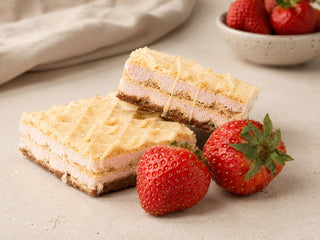
| Mid-morning snack | A protein bar or a shake with water |
| Lunch | Grilled chicken breast with steamed vegetables |
| Afternoon snack | Low-fat quark with cinnamon or a handful of nuts |
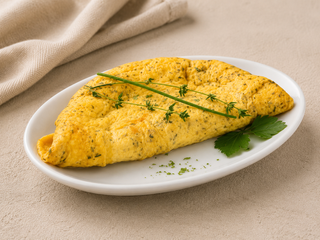
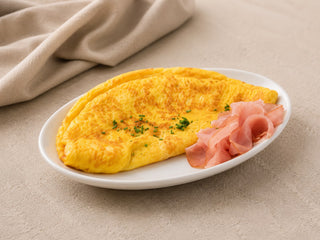
| Dinner | Protein-rich soup or an omelette with vegetables |
What can you eat and what can’t you eat?
| Recommended | Avoid during this phase |
|---|---|
| Low-fat quark, yoghurt, eggs | Sugar and sweets |
| Poultry, lean meat, fish | White flour, white bread, pastries |
| Tofu, pulses | Sweet fizzy drinks and juices |
| Low-calorie vegetables | Fried and fatty ready meals |
| Protein products from Bioteine | Alcohol |
| Water, unsweetened tea | Highly processed snacks |
The role of the products
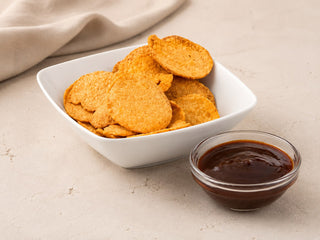
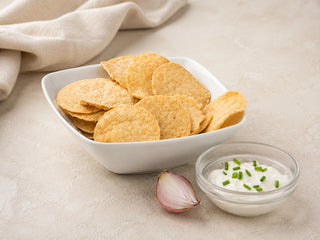
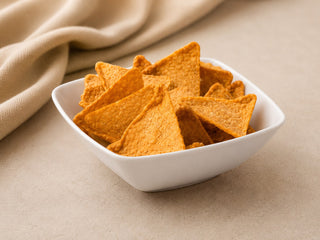
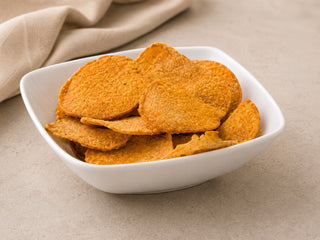
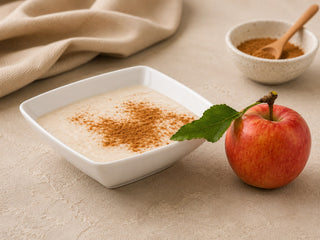
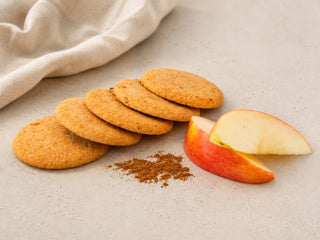
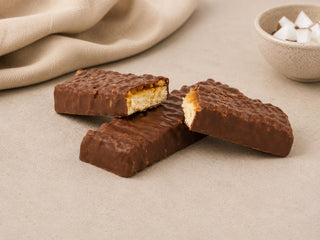
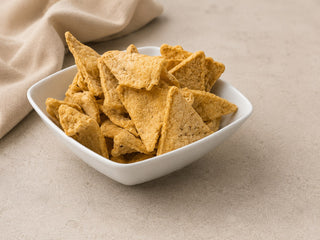
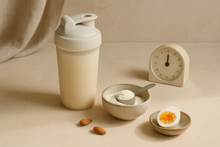
This is exactly where Bioteine differs from traditional formula diets. Whilst many well-known programmes reduce your daily routine to the same old shake, Bioteine offers you a whole range of protein products: shakes, protein bread, bars, soups, ready meals, pancakes and omelettes. This variety ensures that the diet doesn’t become monotonous, but fits in with your real everyday life. You have a pancake for breakfast, take a bar with you to the office and cook yourself a protein-rich soup in just a few minutes in the evening.
Quality is just as important. Bioteine is committed to a ‘clean’ approach using stevia and deliberately avoids aspartame and sucralose. So you get the full benefits of a high protein intake without any unnecessary artificial additives. The products aren’t an end in themselves, but practical aids that make it much easier for you to stick to your protein goals in the midst of a hectic daily routine.
Tips for staying on track
- Plan ahead: if you prepare your meals in advance, you’re less likely to be tempted.
- Keep things varied: Make the most of the wide range on offer to avoid getting bored.
- Drink plenty of fluids: At least 1.5 to 2 litres of water a day supports your metabolism and helps you feel full.
- Get active: Even daily walks help to maintain muscle mass.
- Be patient with yourself: One slip-up isn’t the end of the world. Just carry on with your next meal.
- Keep snacks to hand: A bar in your pocket will stop you from making spontaneous unhealthy choices.
Is the high-protein diet safe?
For healthy adults, a short-term, balanced protein diet is generally well tolerated, provided you drink enough fluids, eat plenty of vegetables and get some exercise. A temporarily higher protein intake is not a problem for healthy kidneys. However, it can put a strain on the body if you have pre-existing medical conditions, particularly affecting the kidneys or liver. Therefore, if you have any pre-existing medical conditions, are taking medication, are pregnant or are breastfeeding, you should definitely consult your doctor for advice before starting. This guide is not a substitute for medical advice.
Why Bioteine?
Bioteine isn’t just jumping on the protein bandwagon; it’s one of the pioneers of the phased system. For over 20 years, the brand has been helping people on their journey to their target weight, supporting more than 30,000 people in the process. This wealth of experience is embedded in every phase, every product and every recommendation.
What makes Bioteine special is the combination of a well-thought-out method, a wide range of products suitable for everyday use, and a commitment to clean ingredients, using stevia instead of artificial sweeteners. This means that a diet isn’t about sacrificing time, but rather a structured, varied path to a healthier life. If you’ve had enough of monotonous shake-based diets and are looking for a partner with genuine experience, Bioteine is the right choice for you.
Veelgestelde vragen
Was ist die Eiweißdiät genau?
Die Eiweißdiät ist eine Ernährungsform, bei der du deutlich mehr Eiweiß und weniger Kohlenhydrate isst. Eiweiß sättigt lange, schützt die Muskulatur und hilft dir, Körperfett abzubauen, ohne ständig Hunger zu haben. Bei Bioteine ist sie in vier aufeinander aufbauende Phasen gegliedert.
Wie schnell nimmt man mit der Eiweißdiät ab?
Realistisch sind etwa 0,5 bis 1 kg pro Woche, abhängig von Ausgangsgewicht, Bewegung und Stoffwechsel. Zu Beginn purzeln die Pfunde oft schneller, weil der Körper Wasser verliert. Eine ruhige, gleichmäßige Abnahme ist gesünder und nachhaltiger als ein Crash.
Was darf ich bei der Eiweißdiät essen?
Erlaubt sind eiweißreiche Lebensmittel wie Magerquark, Eier, Geflügel, Fisch, Tofu, Hülsenfrüchte sowie kalorienarmes Gemüse. In den späteren Phasen kommen langsam gute Kohlenhydrate wie Vollkorn, Obst und Kartoffeln zurück. Stark Zuckerhaltiges und Weißmehl bleiben zunächst außen vor.
Worin unterscheidet sich Bioteine von Shake-Diäten wie Almased?
Klassische Formula-Diäten ersetzen Mahlzeiten durch immer denselben Shake. Bioteine bietet stattdessen ein ganzes Sortiment: Shakes, Eiweißbrot, Riegel, Suppen, Fertiggerichte, Pfannkuchen und Omeletts. So bleibt die Diät abwechslungsreich und alltagstauglich, statt eintönig zu werden.
Enthalten die Produkte künstliche Süßstoffe?
Nein. Bioteine setzt auf ein cleanes Konzept mit Stevia und verzichtet bewusst auf Aspartam und Sucralose. So bekommst du den vollen Eiweißgehalt, ohne unnötige Zusatzstoffe.
Ist die Eiweißdiät gesund und sicher?
Für gesunde Erwachsene ist eine zeitlich begrenzte, ausgewogene Eiweißdiät in der Regel gut verträglich. Wichtig sind ausreichend Trinken, Gemüse und Bewegung. Bei Vorerkrankungen, in Schwangerschaft oder Stillzeit solltest du vorher mit deinem Arzt oder deiner Ärztin sprechen.
Für wen ist die Eiweißdiät nicht geeignet?
Menschen mit Nieren- oder Lebererkrankungen, Gicht, bestimmten Stoffwechselstörungen sowie Schwangere und Stillende sollten auf eine Eiweißdiät verzichten oder sie nur nach ärztlicher Rücksprache durchführen. Auch Kinder und Jugendliche zählen nicht zur Zielgruppe.
Wie halte ich die Eiweißdiät durch?
Plane deine Mahlzeiten im Voraus, sorge für Abwechslung und halte eiweißreiche Snacks für unterwegs bereit. Trink viel Wasser, beweg dich regelmäßig und sei nicht zu streng mit dir. Die Phasen helfen dir, Schritt für Schritt eine dauerhaft gesündere Routine aufzubauen.
Klaar om te beginnen?
Doe de fase-test
Krijg persoonlijk advies welke fase past bij jouw doel en gewoonten.
→ DE WETENSCHAPRead about the 4-phase system
Hoe vier opeenvolgende fases samen blijvend gewichtsverlies opleveren.
→ SHOPView the starter sets
7- and 14-day kits. Everything you need to start Phase 1.
→